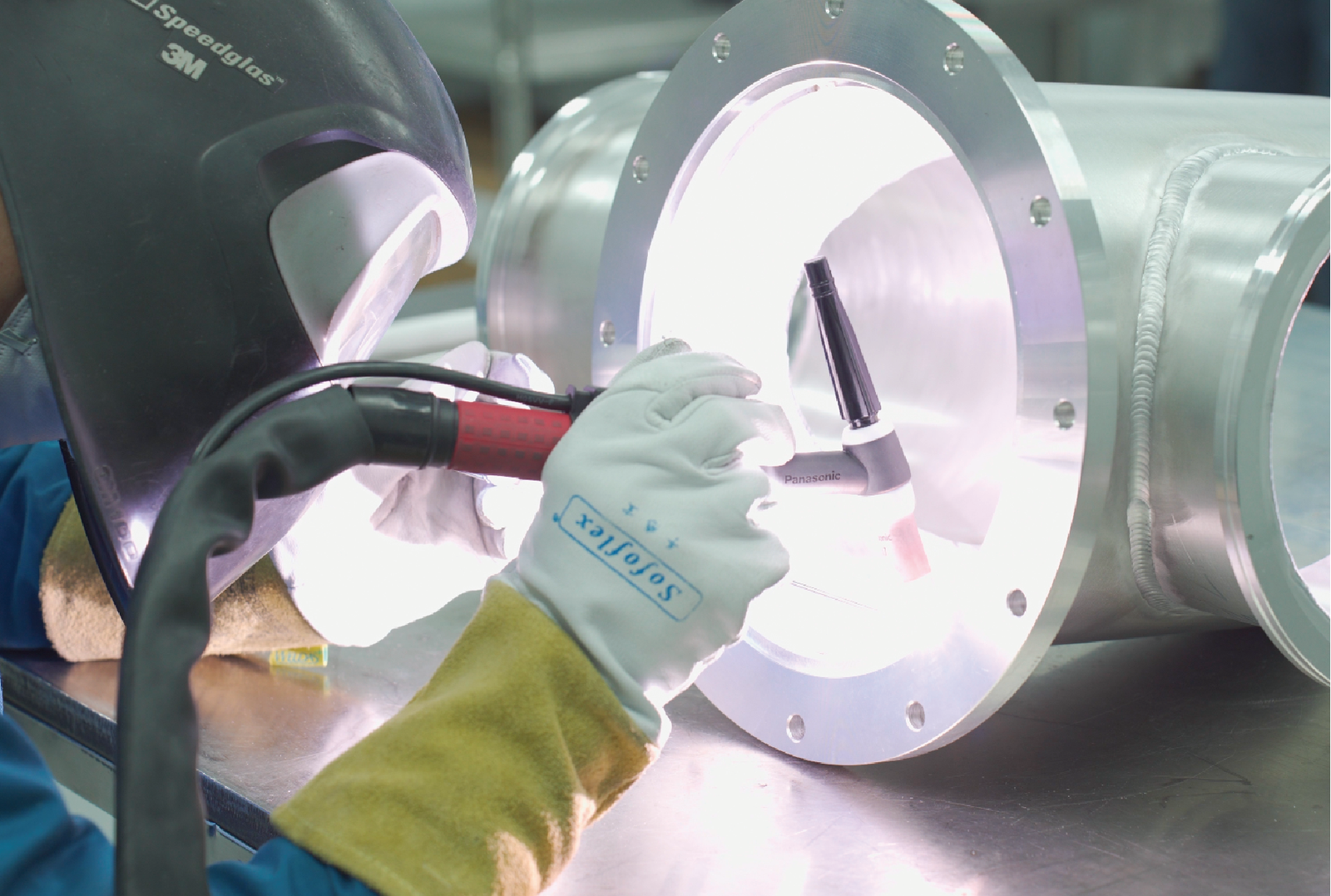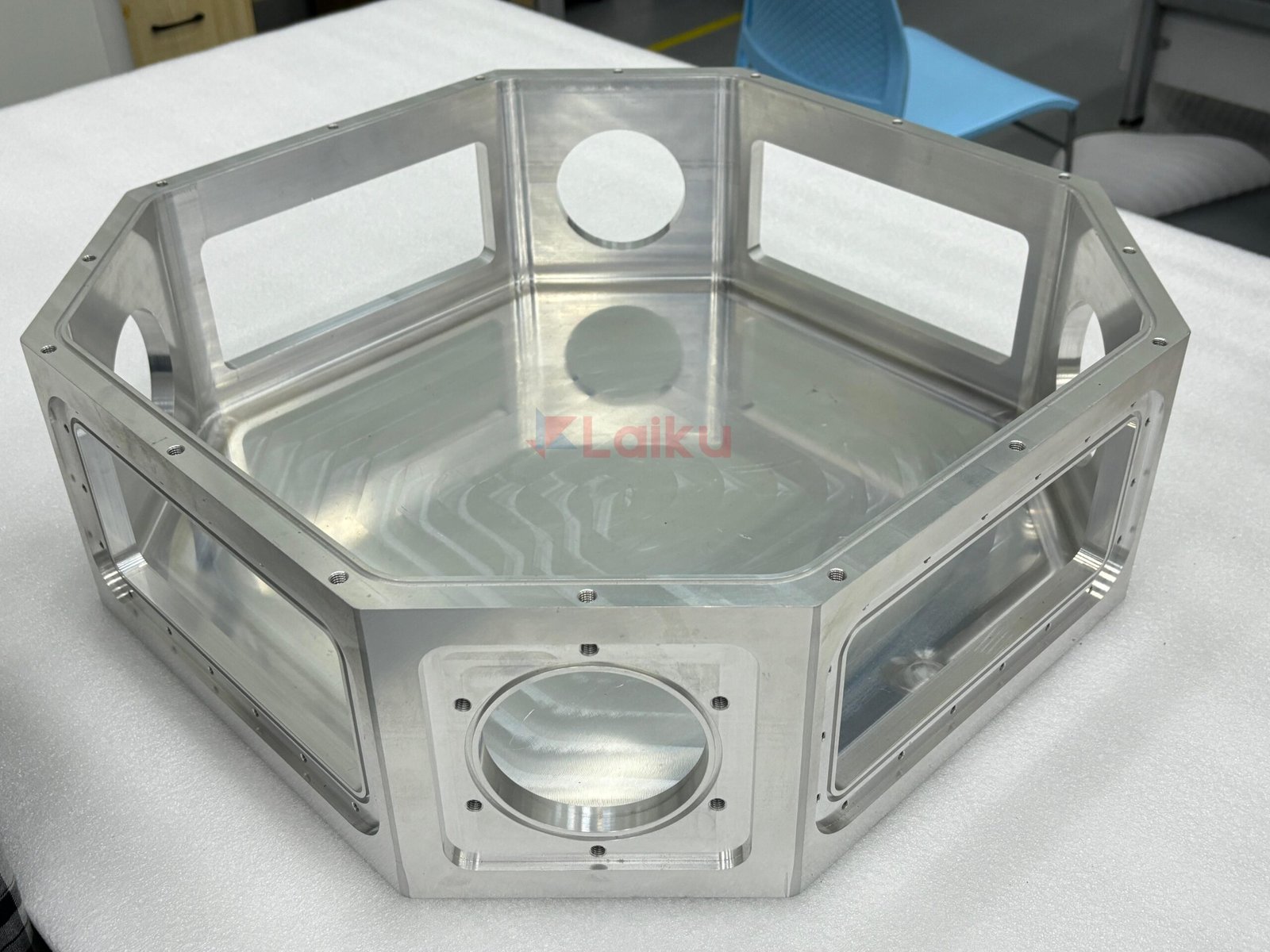


Vacuum leaks can devastate production lines, waste materials, and create costly delays. Finding these invisible problems quickly can mean the difference between meeting targets and missing deadlines.
Effective vacuum leak detection involves systematic inspection using technologies like helium mass spectrometry, pressure decay testing, and acoustic monitoring. A quality assurance system combines these methods with preventive maintenance and continuous improvement processes.
Understanding these technologies isn't just about troubleshooting—it's about protecting your investment and ensuring consistent performance. Let's explore what keeps high-tech manufacturing running smoothly.
What Makes Helium Mass Spectrometry the Gold Standard for Leak Detection?
Modern vacuum systems face increasingly demanding precision requirements, with leak tolerances measured in microscopic units. Standard methods often miss these critical flaws.
Helium mass spectrometry detects leaks as small as 1×10^-12 Pa·m³/s using helium as a tracer gas. This non-destructive test offers superior sensitivity compared to other methods for high and ultra-high vacuum systems.
The technology works by creating a pressure environment where helium molecules can penetrate through microscopic leakage paths. When these molecules reach the detector, they generate a signal proportional to the leak rate.
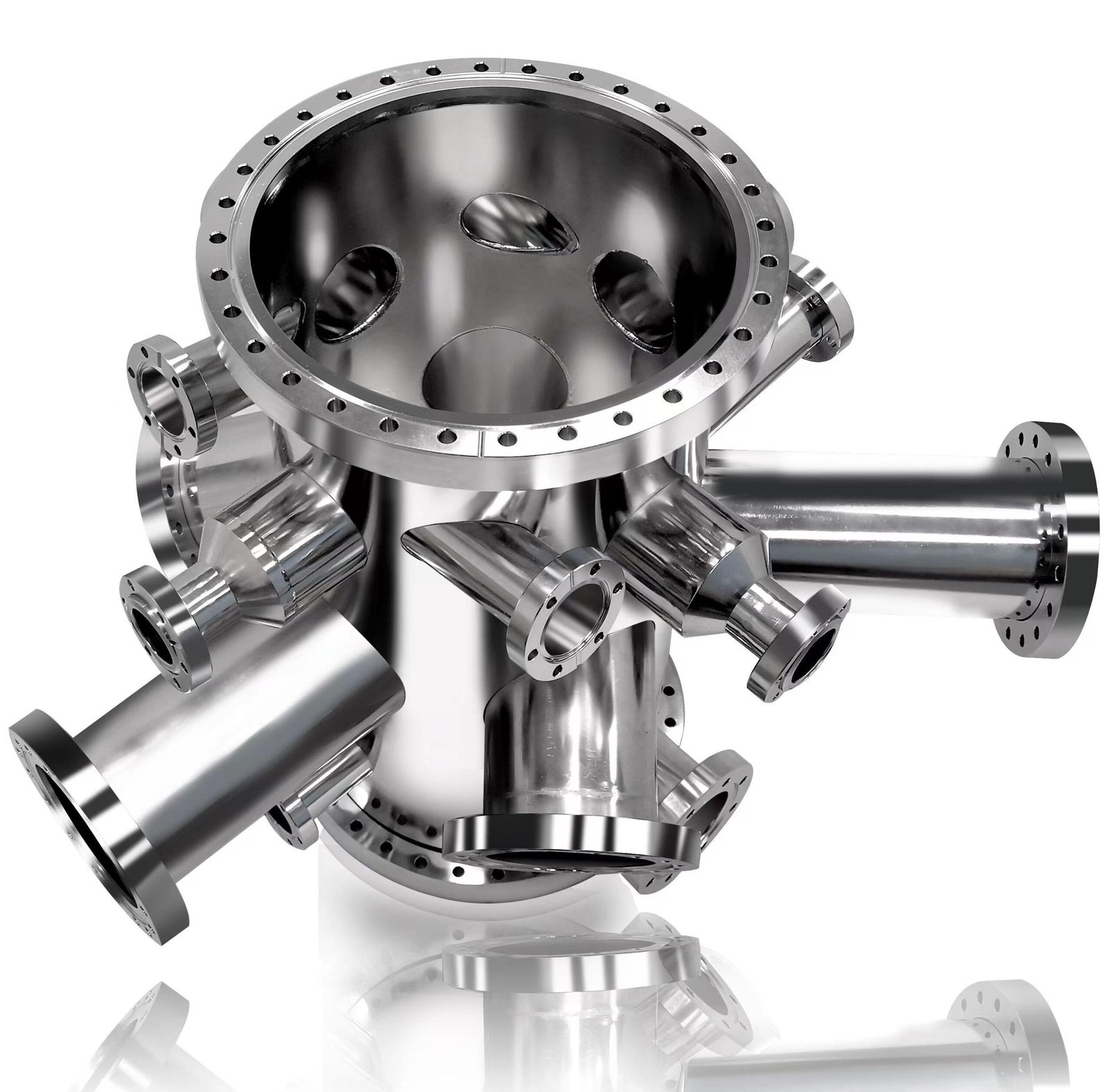
Helium testing is non-toxic, environmentally friendly, and allows for precise leak localization—something pressure decay testing cannot achieve. With complex vacuum chambers having multiple welds and seals, this localization capability is invaluable for efficient repairs.
For semiconductor and display panel industries, this precision is essential. Components used in 8nm manufacturing require leak rates below 1.0×10^-12 Pa·m³/s, achievable only through helium mass spectrometry. While the equipment investment is significant, preventing a single production shutdown due to vacuum failure justifies the cost.
How Does Pressure Decay Testing Complement Traditional Leak Detection Methods?
In manufacturing facilities, rapid validation of system integrity between production runs is essential. Traditional methods often create bottlenecks in high-throughput environments.
Pressure decay testing measures vacuum loss by isolating a system and monitoring pressure changes that indicate leakage. This method offers quick go/no-go testing, requires minimal training, and provides quantifiable results without tracer gases.
While not as sensitive as helium methods, pressure decay testing excels where speed matters. It can be automated, requires minimal operator intervention, and provides clear pass/fail results without interpretation. For large chambers where helium testing would be expensive, pressure decay offers an excellent screening method.
A two-tier approach works best: daily pressure decay tests catch significant issues quickly, while scheduled helium leak detection provides the deep inspection necessary for maintaining ultra-high vacuum integrity. This combination optimizes both production uptime and system reliability.
Modern pressure decay systems include digital logging capabilities, allowing integration with equipment monitoring and predictive maintenance programs. The historical data helps identify gradual degradation patterns before they cause catastrophic failures.
Why Is a Systematic Quality Assurance Framework Essential for Vacuum System Reliability?
Even advanced leak detection technology fails without a comprehensive quality framework. Many facilities invest in equipment but neglect the processes needed for reliability.
A vacuum system quality assurance framework includes standardized testing protocols, regular equipment calibration, technician certification, and documentation systems. This approach transforms leak detection from reactive troubleshooting into preventive quality control.
An effective vacuum quality assurance system starts with clearly defined acceptance criteria. Ultra-high vacuum chambers might require leak rates below 1×10^-10 Pa·m³/s, while general vacuum systems might accept 1×10^-6 Pa·m³/s. These criteria guide manufacturing and maintenance protocols.
Documentation forms the backbone—detailed testing procedures, calibration records, and maintenance histories create an audit trail supporting continuous improvement. Digital management systems with component tracking dramatically improve this process.
Training ensures consistency across operators. A qualified technician understands not just equipment operation but also vacuum principles, system design, and failure modes. This transforms testing from a procedure into a diagnostic process.
Statistical process control helps identify trends before they become problems. By tracking leak rates across components or production batches, manufacturers can make data-driven improvements. This prevents issues rather than merely detecting them.
Conclusion
Effective vacuum leak detection combines advanced technology with systematic quality processes, ensuring reliability in critical applications while preventing costly production failures and supporting continuous manufacturing improvement.