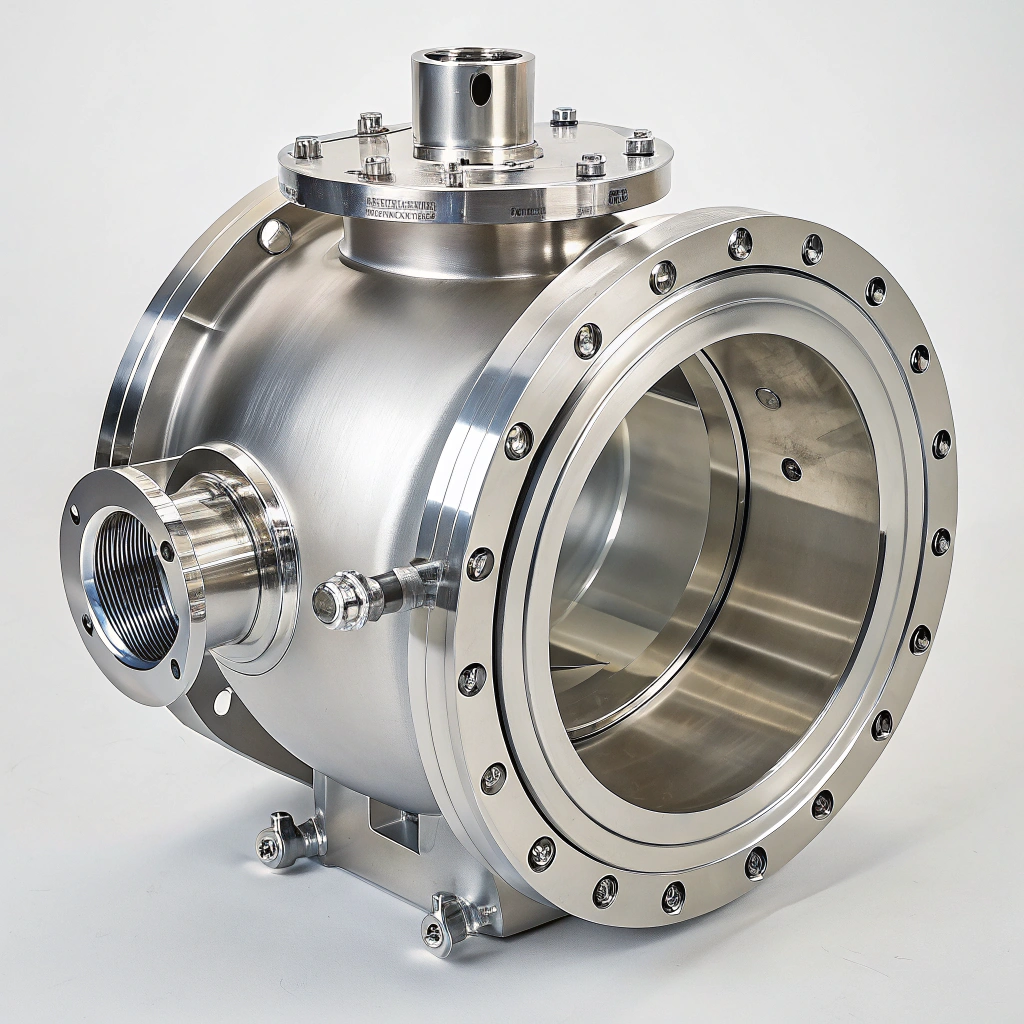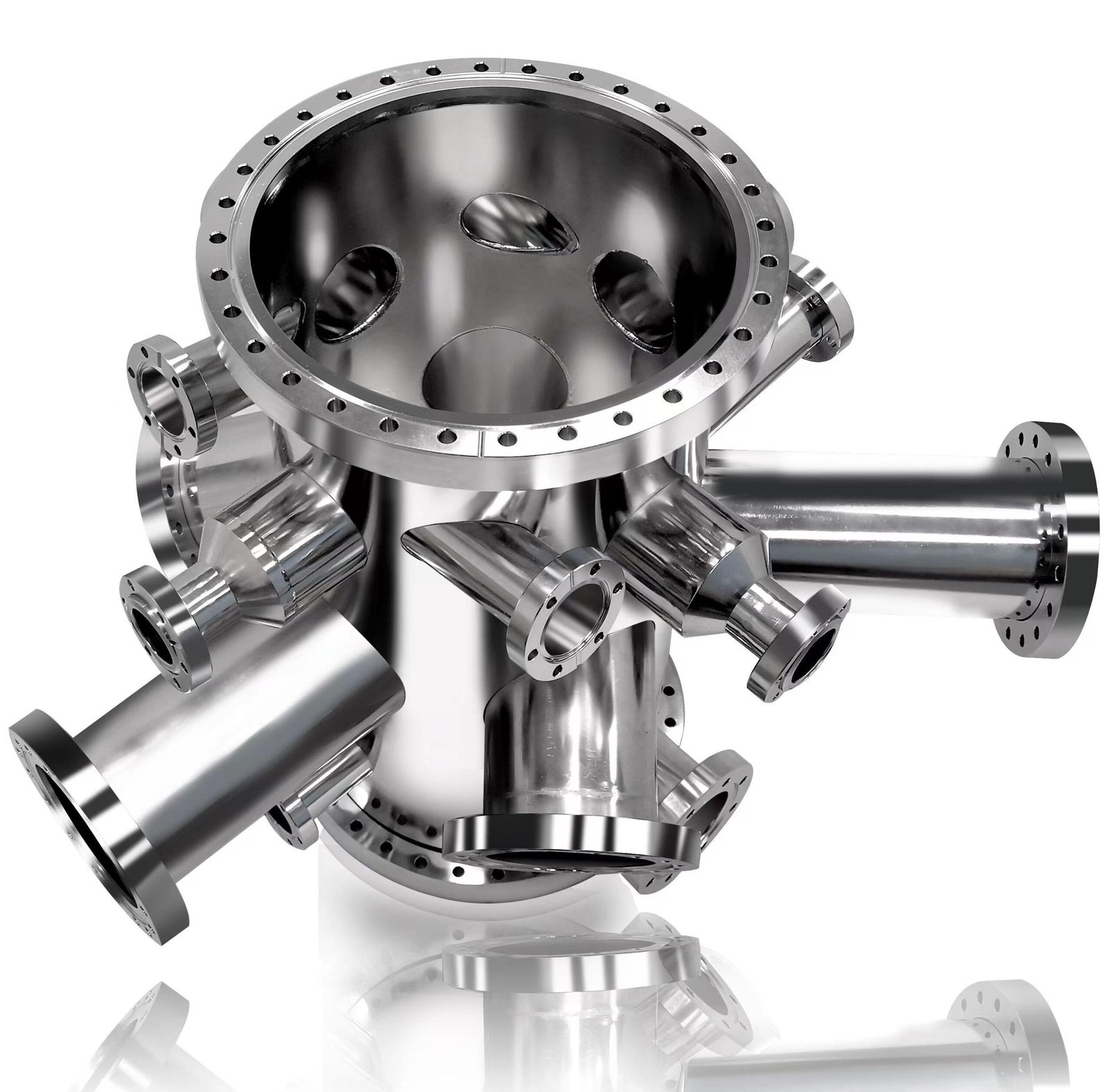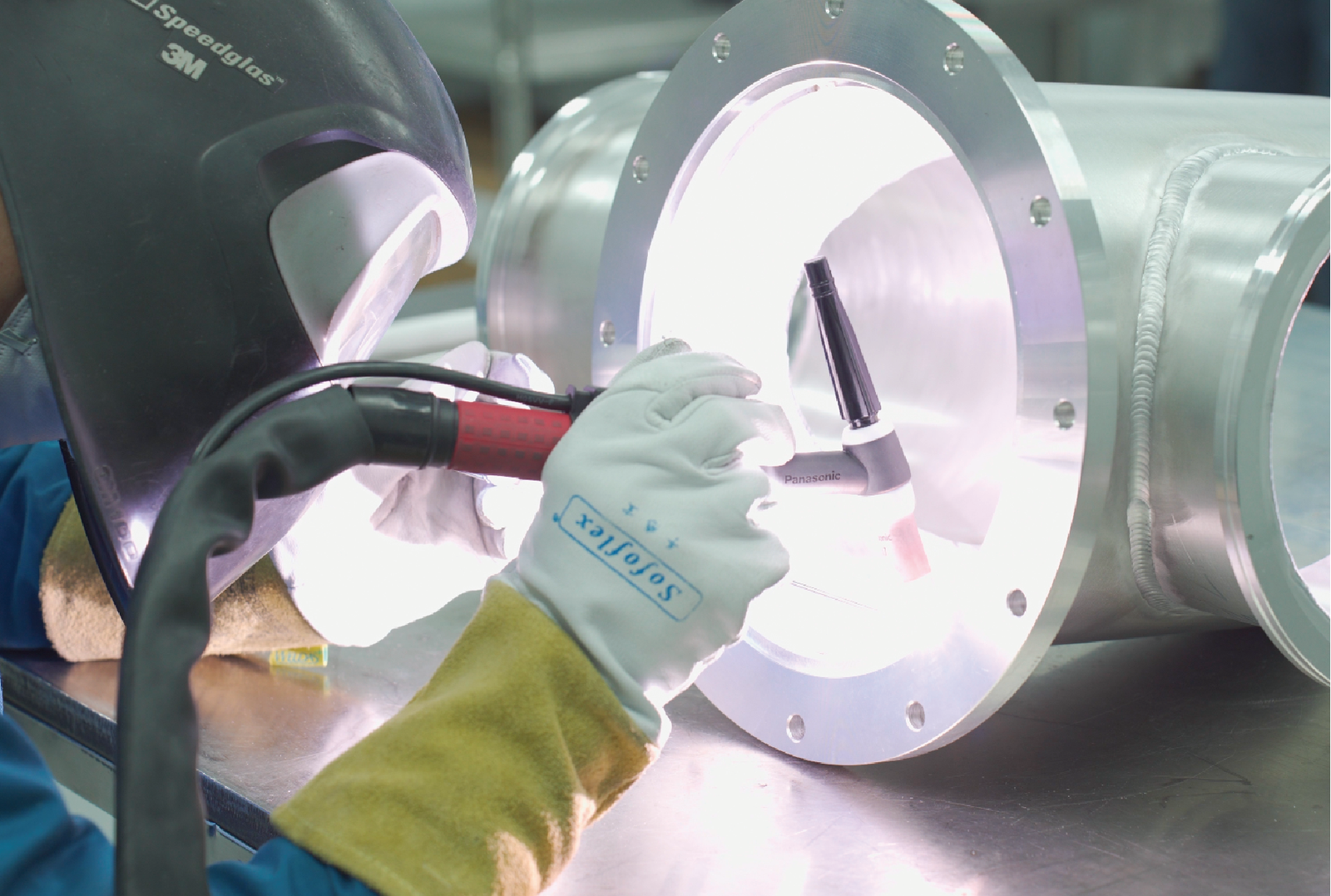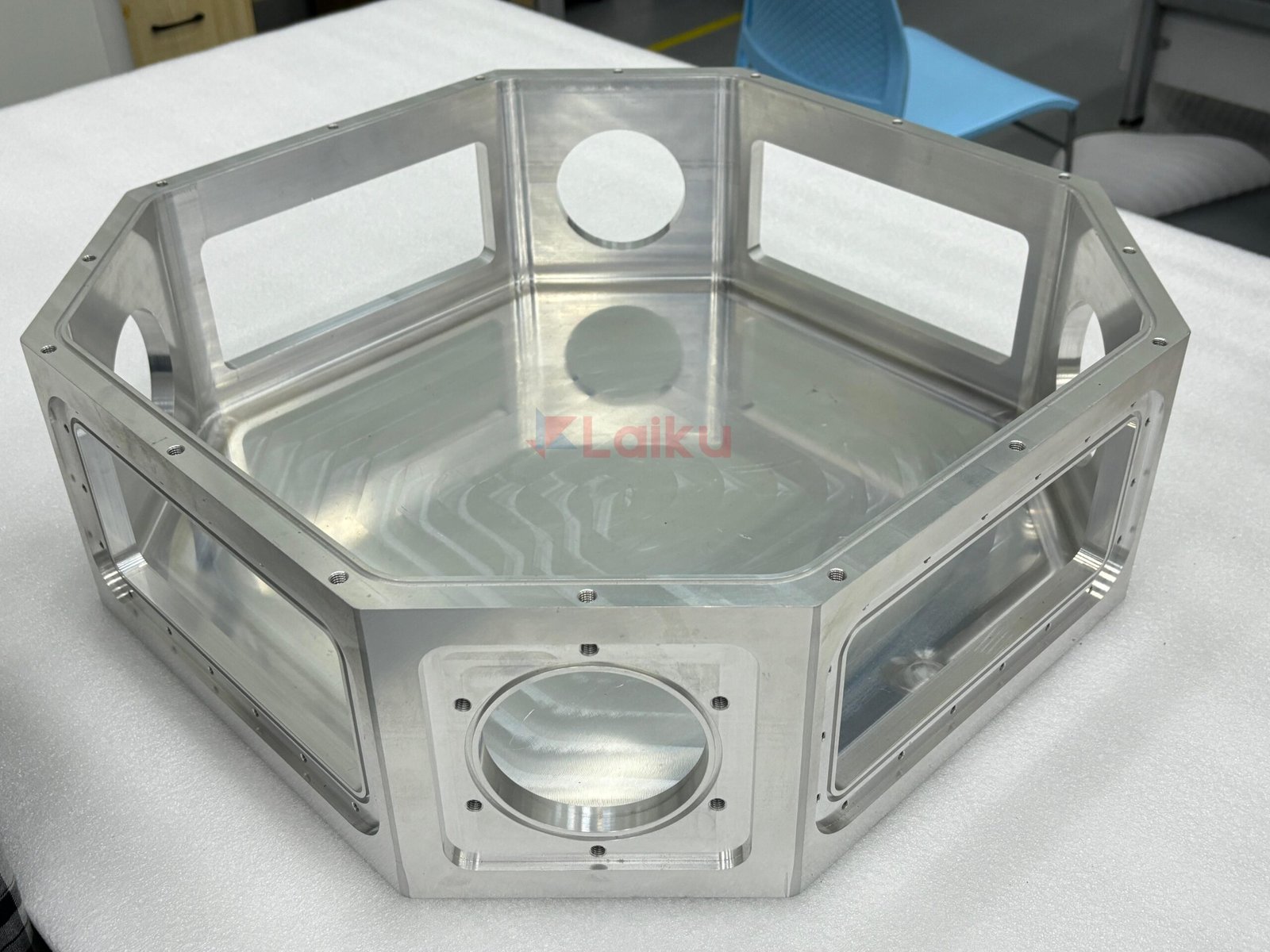

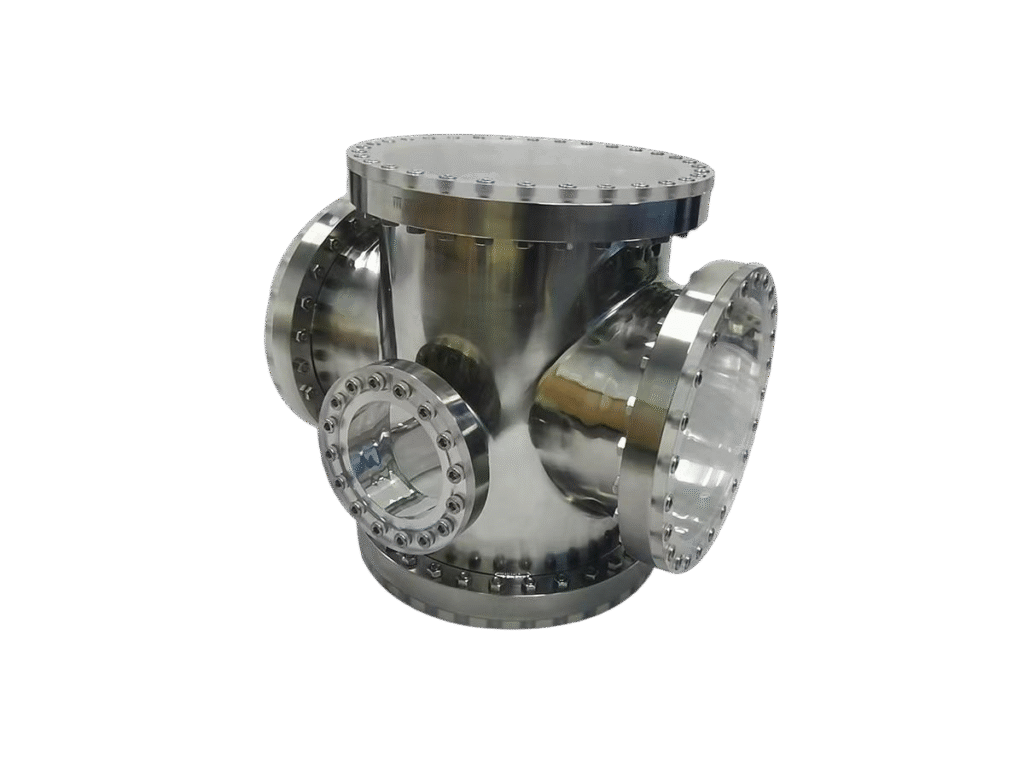
The demanding world of ultra-high vacuum systems presents persistent welding and connection challenges that compromise system integrity. Manufacturers face leakage, contamination, and dimensional stability issues that threaten production quality and equipment performance.
To address welding and connection challenges in ultra-high vacuum environments, implement specialized techniques like friction stir welding, electron beam welding, and precision TIG welding. Ensure proper material selection, clean room processing, and comprehensive leak testing to maintain vacuum integrity.

I've spent years perfecting vacuum chamber manufacturing processes, and I've learned that the difference between an acceptable chamber and an exceptional one often comes down to connection quality. Let me share what truly works in this demanding field.
How Can Material Selection Impact Vacuum Welding Success?
The wrong materials can release gases under vacuum, causing contamination and degrading performance. These outgassing issues plague many manufacturers who haven't mastered material science fundamentals.
The ideal materials for ultra-high vacuum applications include 304L/316L stainless steel, titanium, and specialized aluminum alloys. These materials offer low outgassing rates, excellent weldability, and minimal magnetic permeability, ensuring long-term vacuum integrity.
Material selection requires much more consideration than many realize. In my experience working with semiconductor equipment manufacturers, the difference between standard and high-purity 316L stainless can dramatically affect vacuum performance. The key is understanding both bulk properties and surface characteristics of your materials.
When selecting materials, we must consider factors beyond just vacuum compatibility. Thermal expansion coefficients become critical when dealing with bimetallic joints that experience temperature cycling. I've seen perfectly good welds fail after repeated bake-out cycles simply because the designers overlooked CTE mismatches. Our testing shows that properly matched materials can withstand hundreds of temperature cycles without compromising seal integrity.
Another crucial consideration is magnetic permeability, especially for chambers used with electron beam equipment. Even slight magnetic fields can deflect particle beams, so we carefully screen all materials and verify permeability levels below 1.05μ to ensure consistent performance.
What Advanced Welding Techniques Ensure Ultra-High Vacuum Integrity?
Traditional welding approaches often introduce defects like porosity or inclusions that create vacuum leaks. Many manufacturers struggle with inconsistent results and high rejection rates.
Advanced techniques like electron beam welding, laser welding, and friction stir welding create superior vacuum-tight connections. These processes minimize heat-affected zones, reduce distortion, and virtually eliminate contamination while maintaining dimensional stability to within ±0.05mm/meter.
I've implemented these techniques across numerous high-profile projects, and the results speak for themselves. When we transitioned from traditional TIG welding to electron beam welding for critical seams, our leak detection rates dropped by over 85%. The precision of these advanced methods creates fundamentally superior joins.
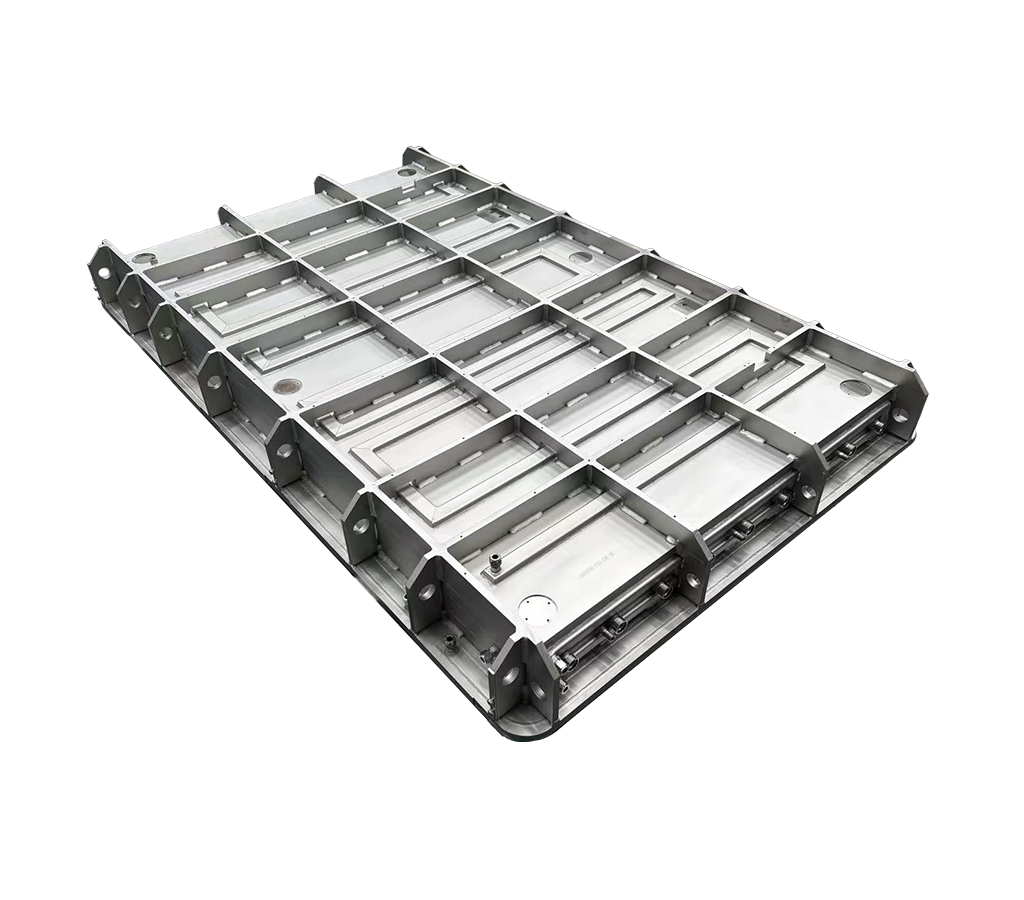
Our friction stir welding process has revolutionized how we approach large aluminum vacuum chambers. Unlike fusion welding, this solid-state process eliminates porosity concerns and dramatically reduces distortion. We've documented cases where chambers exceeding 2 meters in length maintain flatness tolerances within ±0.05mm, something practically impossible with conventional methods.
The equipment investment for these technologies is substantial—our electron beam welding system alone represented a seven-figure investment. However, the quality improvements and reduction in rework costs justified the expenditure within 18 months. We now achieve leak rates below 1.0×10^-12 Pa·m³/s consistently, meeting the most stringent requirements for advanced semiconductor manufacturing.
How Do Post-Weld Treatments Enhance Vacuum Performance?
Overlooking proper post-weld processing leads to virtual leaks, trapped contaminants, and long pump-down times. These issues cause operational delays and compromise process results.
Critical post-weld treatments include chemical cleaning, electropolishing, vacuum baking, and helium leak testing. These processes remove contaminants, reduce surface roughness, eliminate trapped gases, and verify the integrity of all seals, ensuring optimal vacuum performance.
Post-weld treatments make the difference between a chamber that merely reaches specification and one that delivers exceptional performance throughout its service life. I've seen firsthand how electropolishing can reduce outgassing rates by two orders of magnitude compared to mechanically finished surfaces.
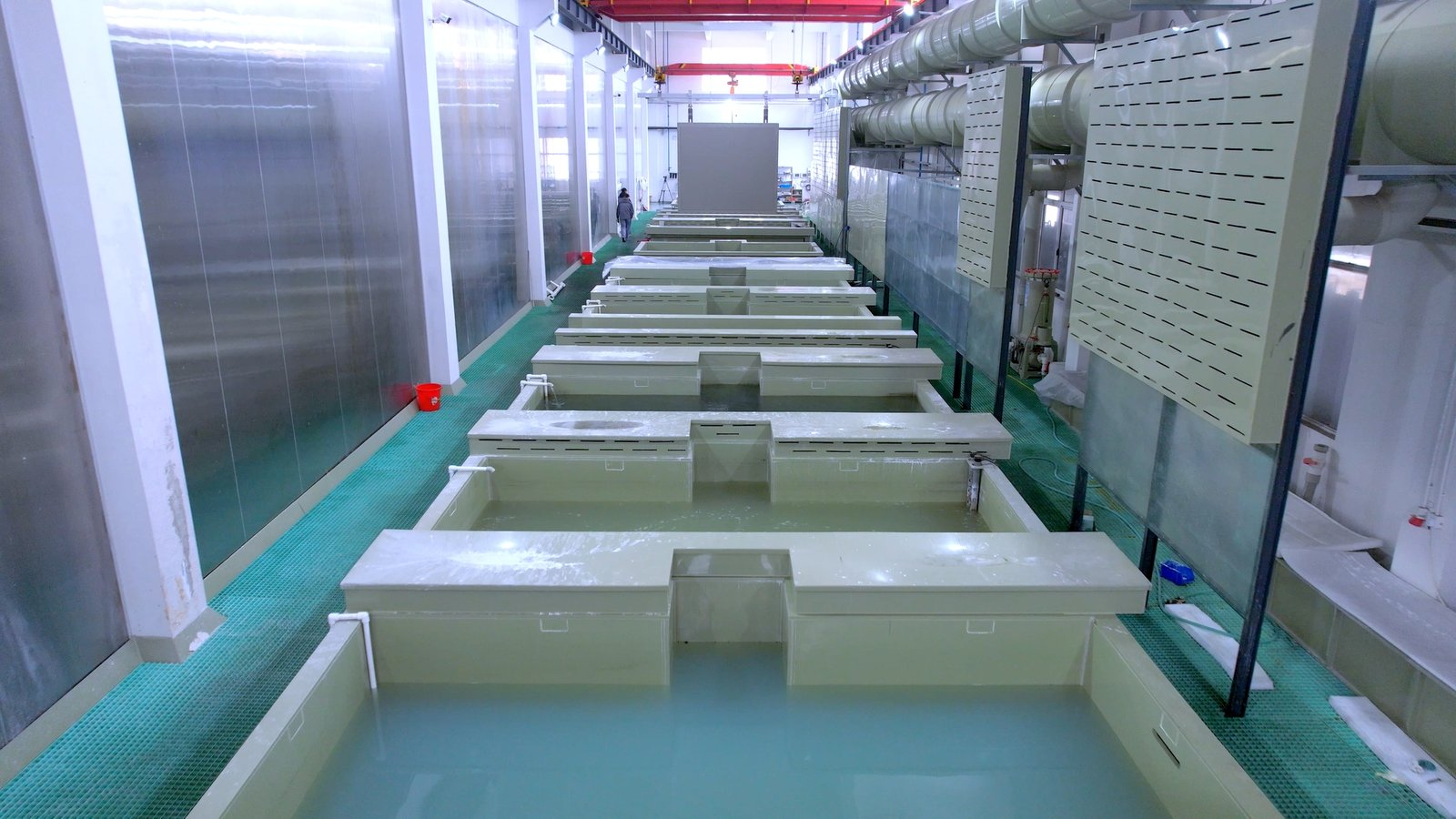
Our multi-stage cleaning process combines ultrasonic cleaning, chemical treatments, and high-purity rinses in progressively cleaner environments. We follow this with a documented bake-out procedure that gradually removes adsorbed molecules from all internal surfaces. Temperature monitoring at multiple points ensures uniform heating without creating new stresses or distortion in the welded assembly.
For the most critical applications, we've developed a proprietary cryogenic cleaning process that removes deeply embedded contaminants conventional methods miss. While this adds cost, customers working at the cutting edge of semiconductor technology find the improved pump-down times and reduced contamination levels well worth the investment.
Conclusion
Mastering ultra-high vacuum welding and connection challenges requires specialized materials, advanced welding techniques, and meticulous post-processing. By implementing these approaches, manufacturers can achieve the exceptional vacuum performance that advanced applications demand.