Your Goals, Our Mission

High-performance vacuum chambers for photovoltaic manufacturing

Providing high-performance vacuum chambers for photovoltaic cell and module manufacturing

Laiku Vacuum – An expert in custom-made vacuum chambers for photovoltaic cells

Laiku Vacuum specializes in customized vacuum chamber solutions for high-efficiency photovoltaic cells, possessing end-to-end industrial chain capabilities spanning raw material processing, vacuum welding, specialized surface treatment, and Class 10,000 cleanroom assembly. Leveraging its advanced large-scale precision machining capabilities and comprehensive quality inspection systems, the company provides highly reliable chamber components for HJT and perovskite photovoltaic production lines, serving photovoltaic equipment customers both domestically and internationally, and supporting the high-quality development of the photovoltaic industry through advanced manufacturing processes.

Core Products of Laiku for the Photovoltaic Industry

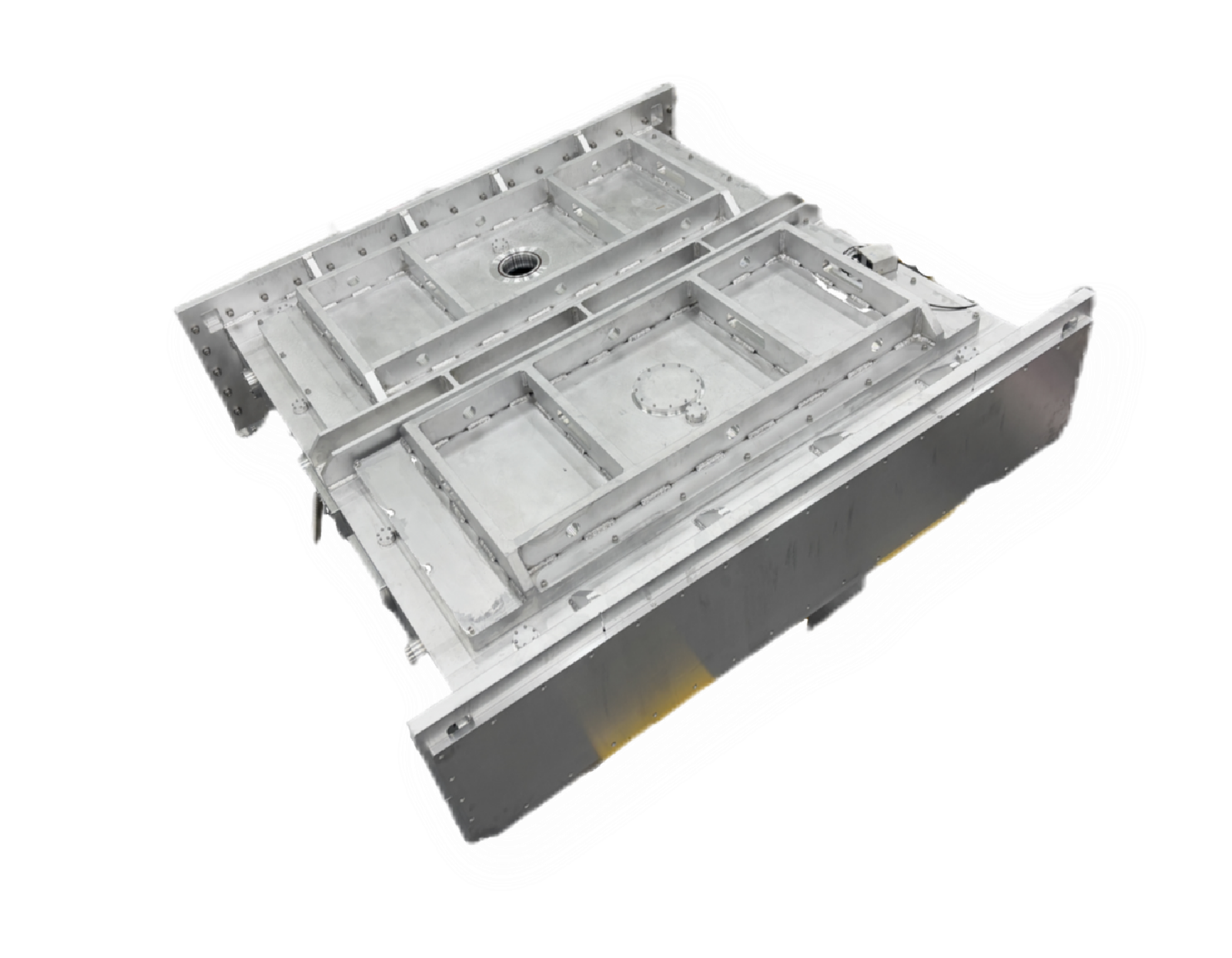
Ultra-high-vacuum coating chamber

Designed for PECVD and PVD coating processes. Fabricated from stainless steel or aluminum alloy with UHV welding. Suitable for thin‑film deposition of crystalline‑silicon and HJT cells, ensuring a clean and stable coating environment.
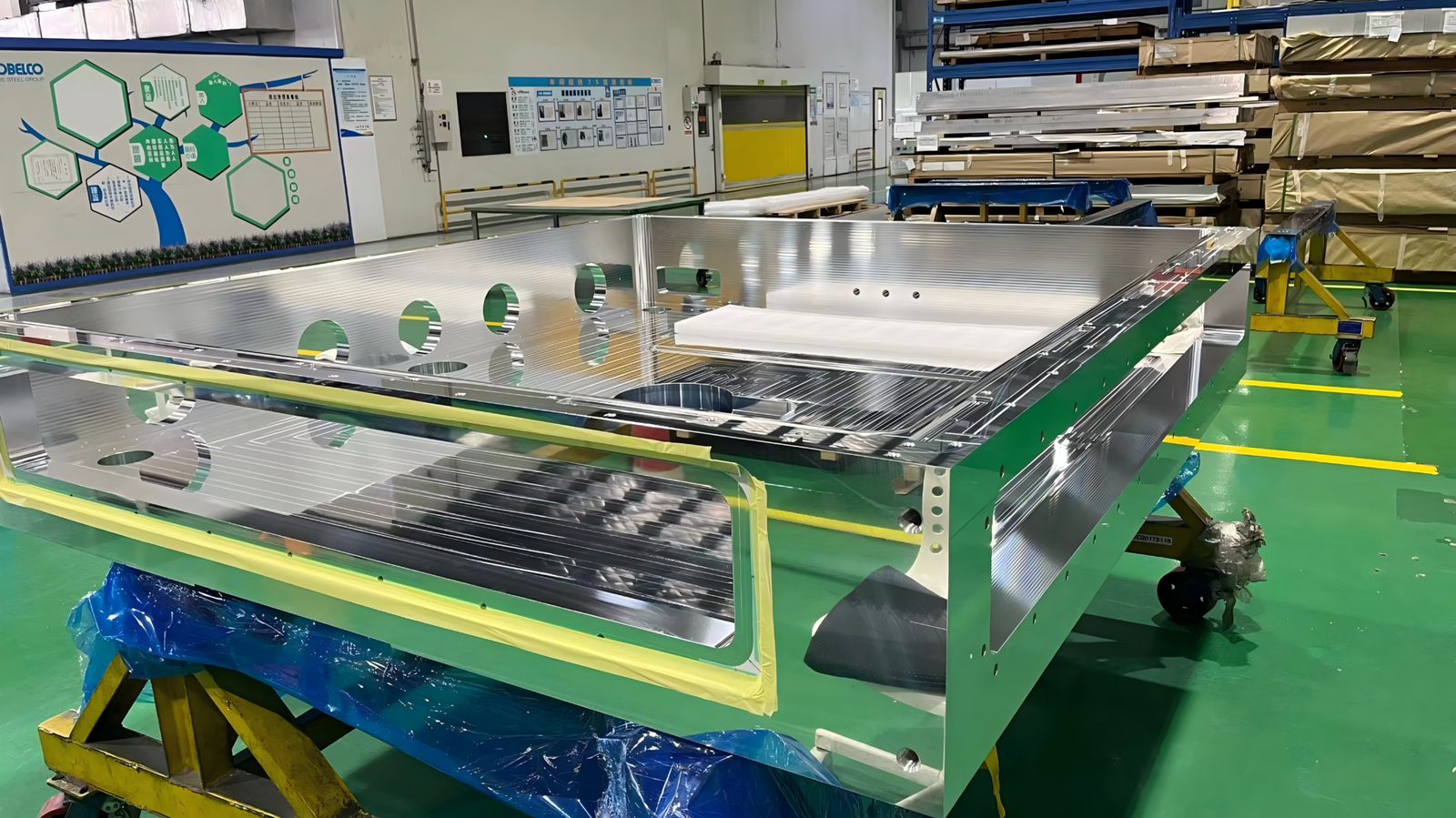
High-cleanliness CVD/PVD aluminum transfer chamber

Built for high‑purity wafer transfer in PV production lines and assembled in high‑grade clean‑rooms. With special surface treatment, it effectively reduces particle contamination and gas adsorption on the inner walls.
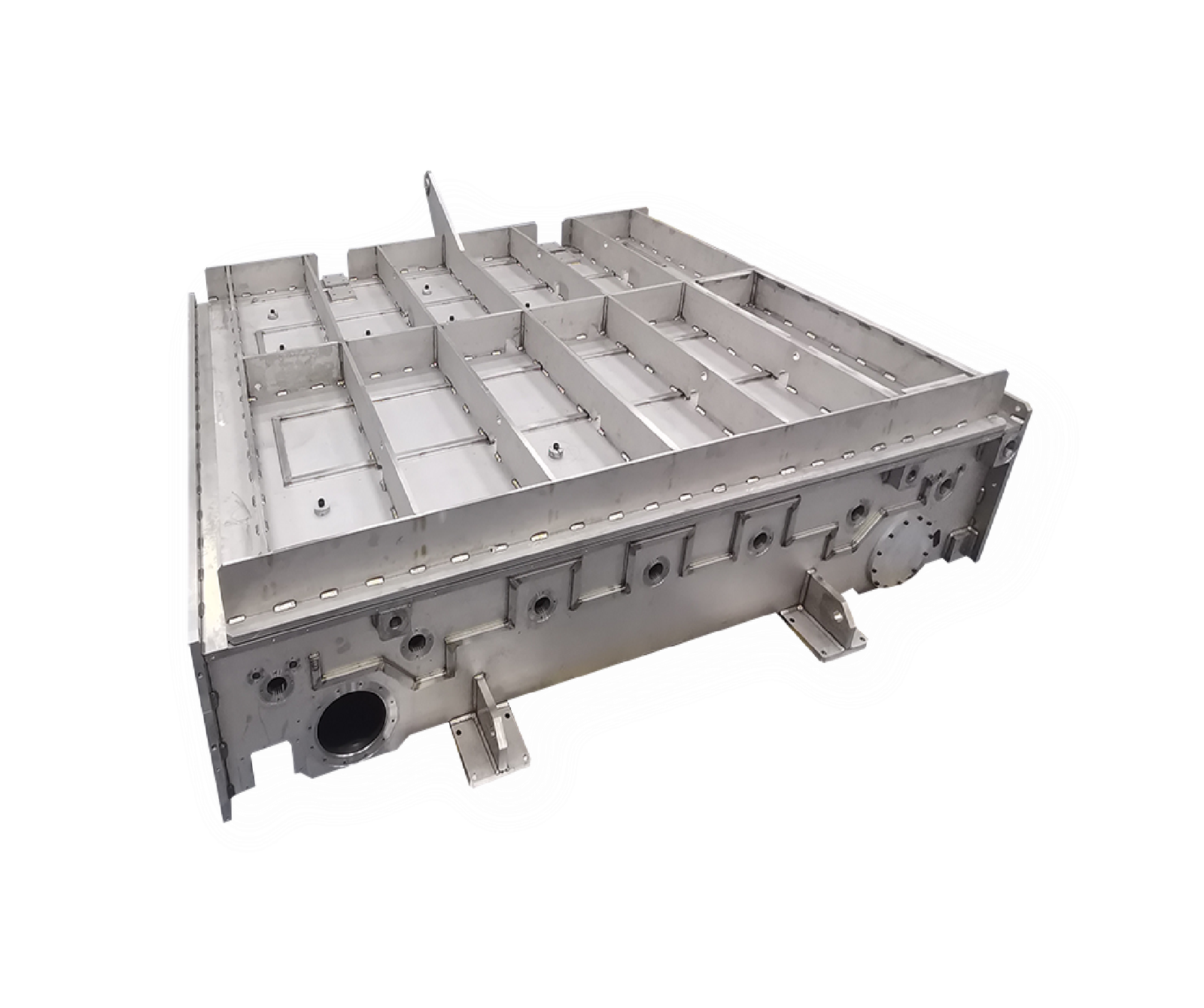
Perovskite deposition equipment – ultra-high-vacuum chamber

Optimized for vacuum evaporation processes of perovskite solar cells to deliver stable ultra‑high vacuum conditions. Mature products have been supplied to domestic and overseas perovskite equipment manufacturers.
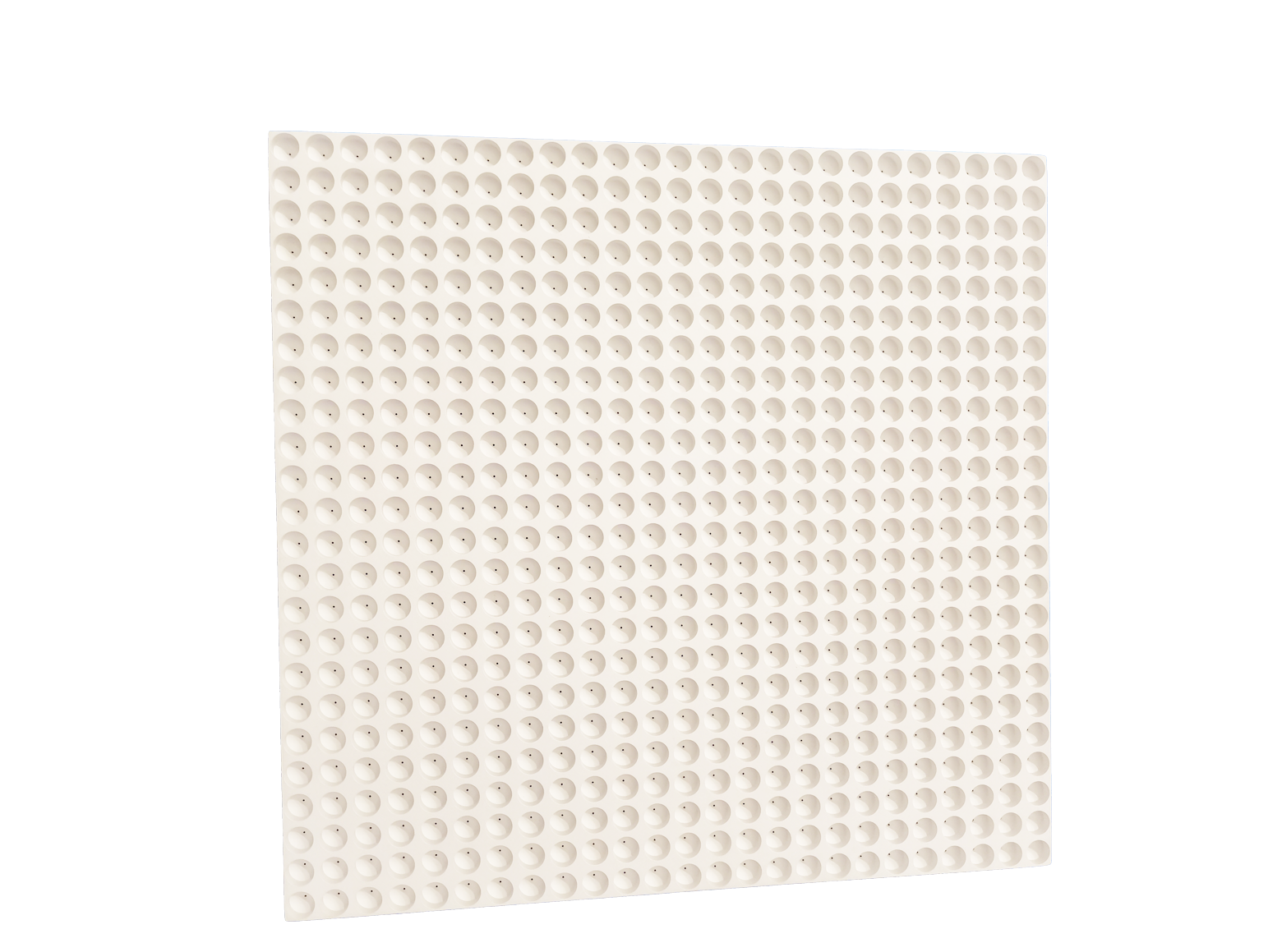
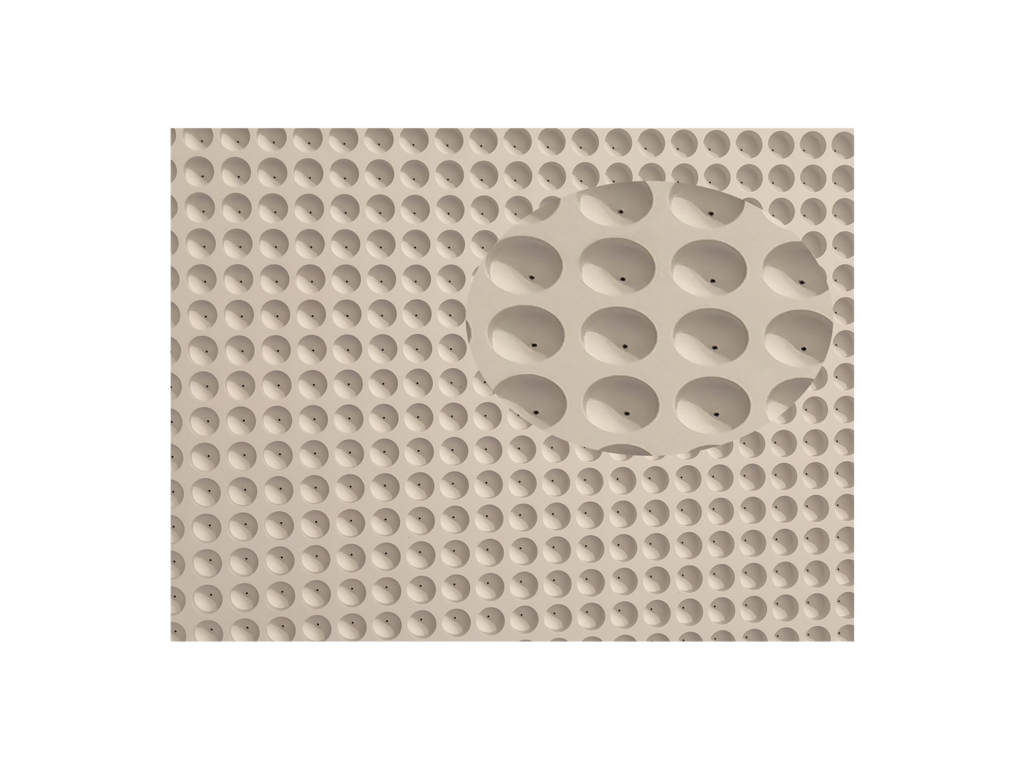
Spray electrode plate

A core precision component for PECVD equipment, integrating gas distribution and electrode functions. High‑precision machining ensures even gas flow and a plasma‑resistant surface, with custom options for large‑wafer mass‑production.
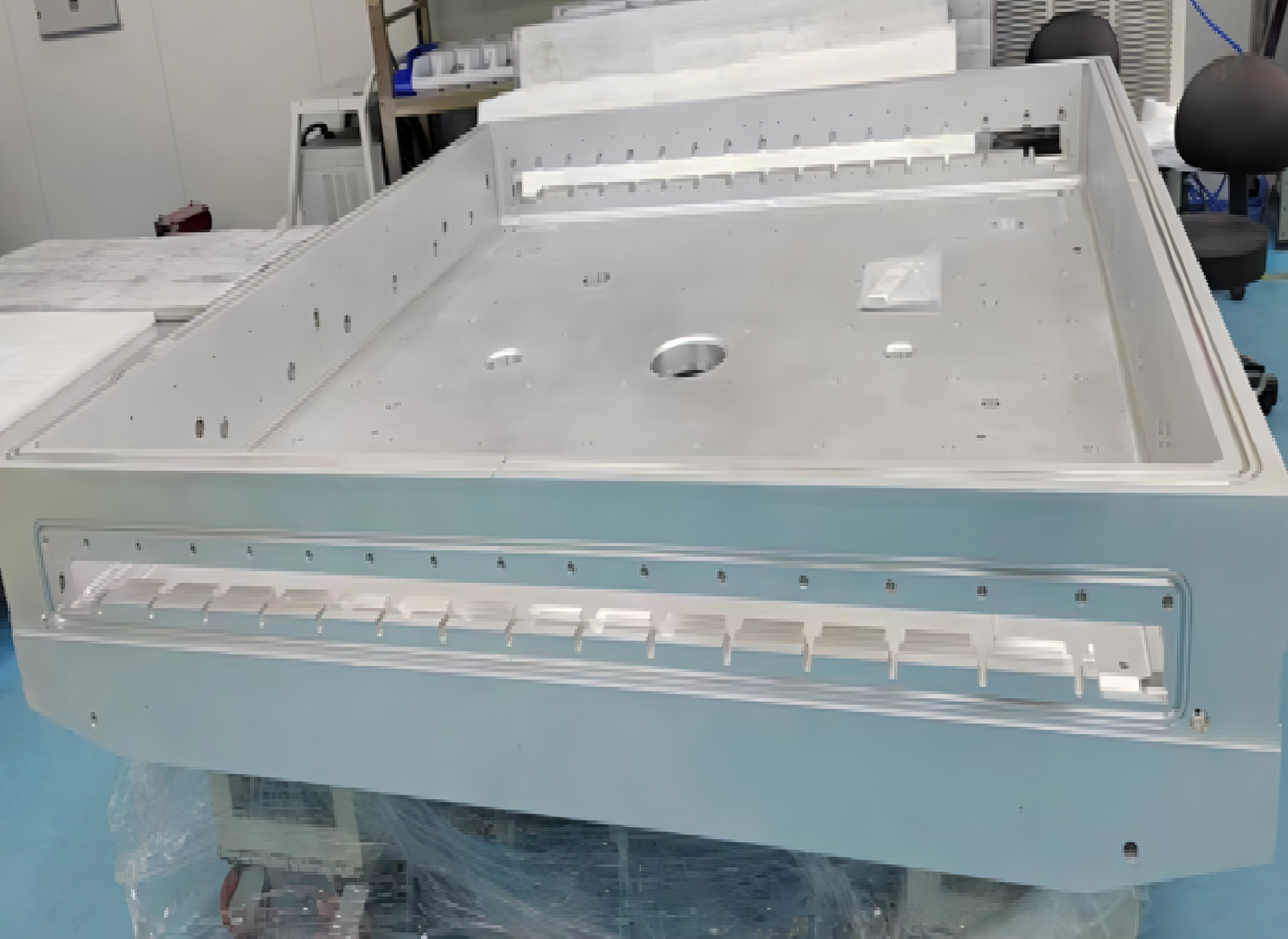
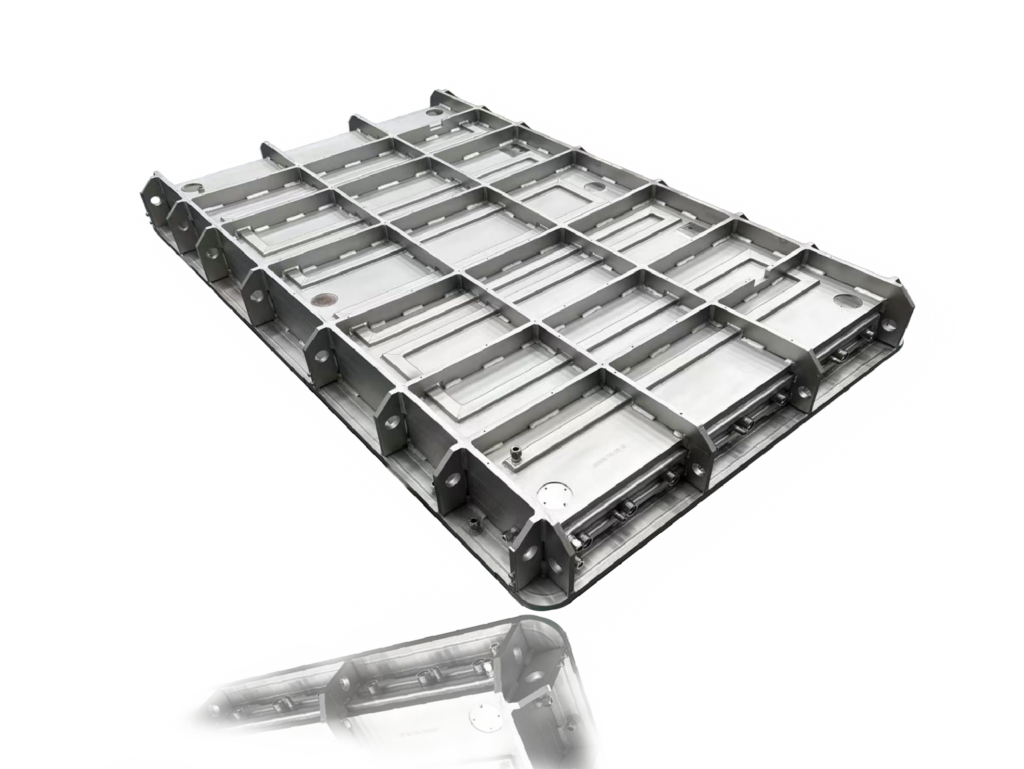
HJT Chamber – Ultra-Precision Large Components

Covers large chamber flanges, frames and welded vacuum structures. High‑accuracy CNC machining and full inspection solve deformation and sealing issues, well‑suited for HJT and TOPCon production lines.
Laiku's Core Advantages

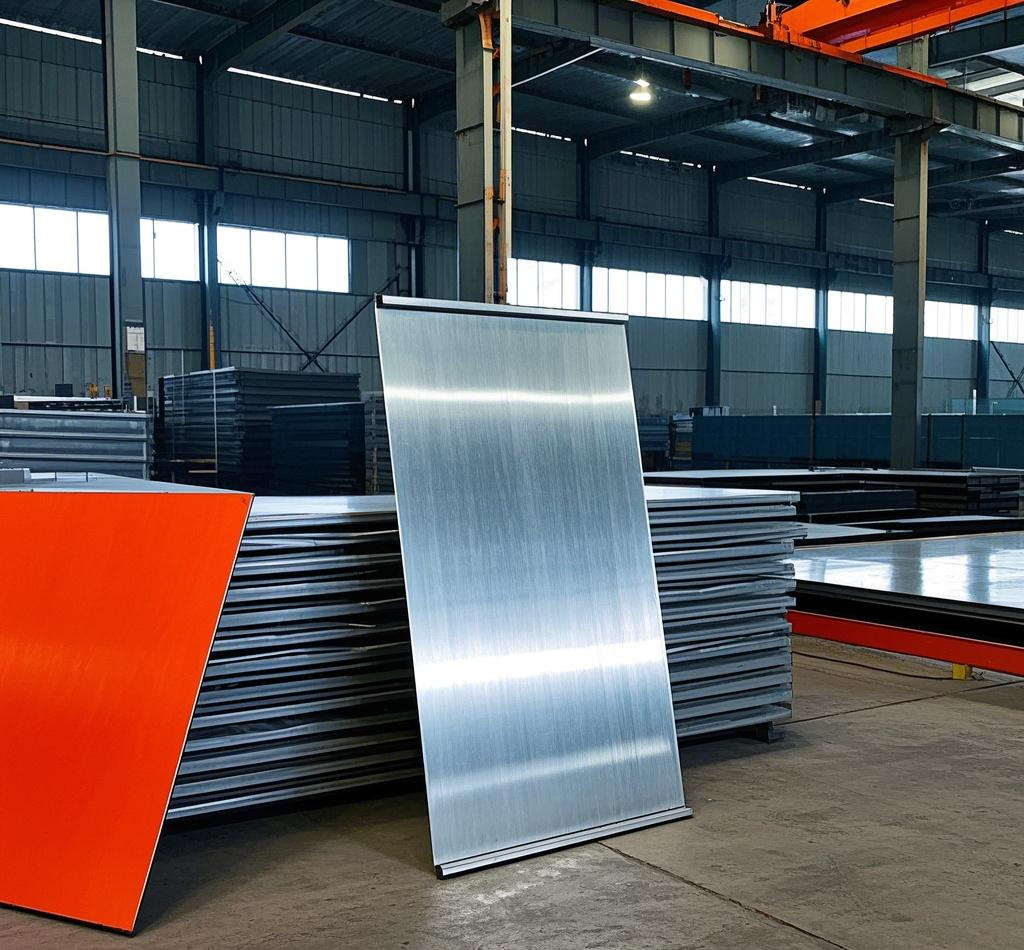
Laiku Vacuum offers end-to-end manufacturing services – covering the entire process from raw material procurement to final assembly – providing a comprehensive one-stop solution.

Raw materials

stainless steel, aluminum alloy, etc.

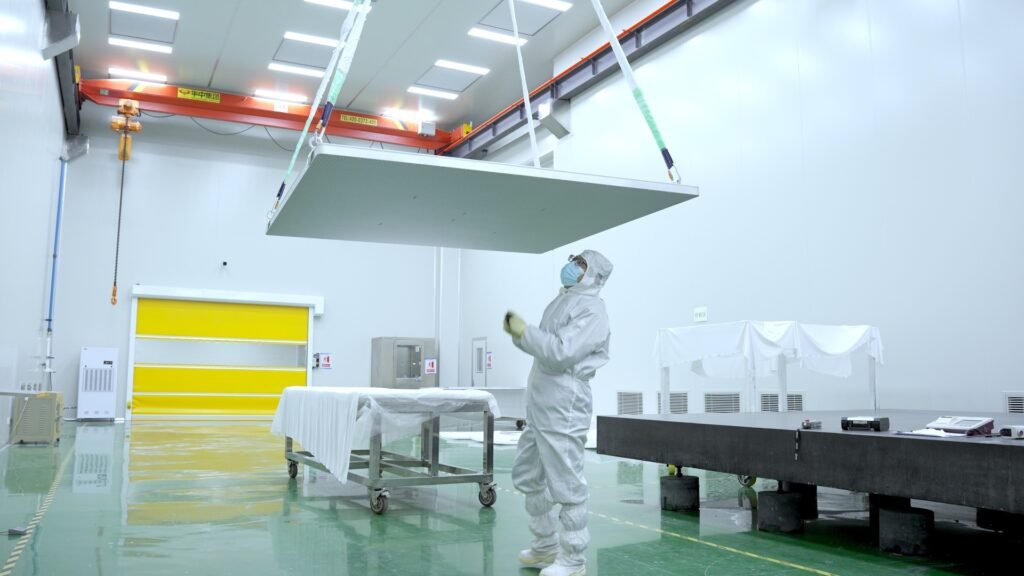
Cleanroom Assembly

Class 10,000 cleanrooms, dust-free spray booths, etc.

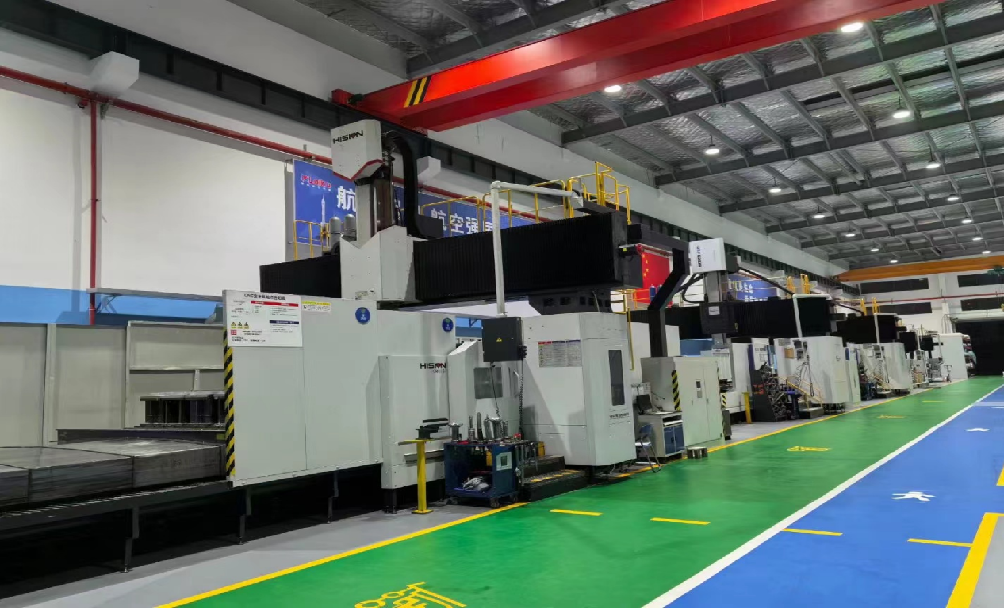
CNC machining

Maximum dimensions – 6.5 m × 4.2 m × 1.8 m

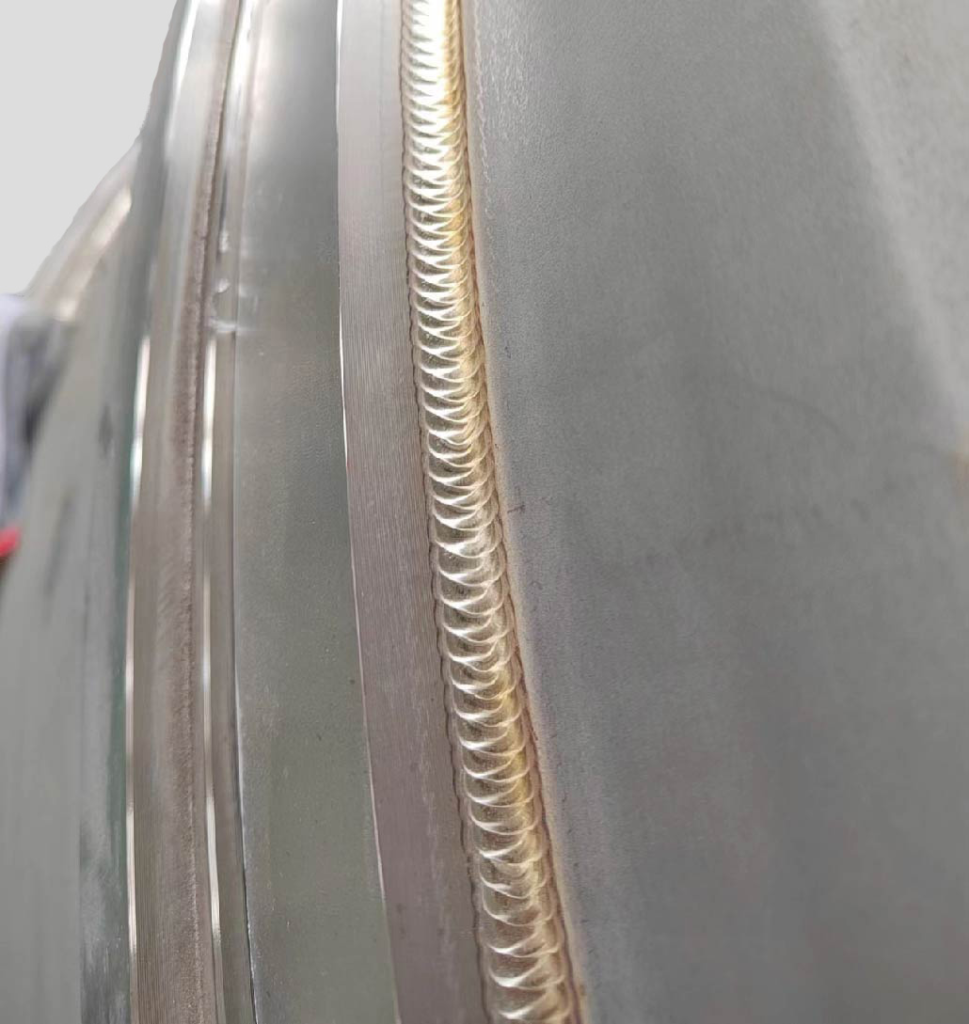
Welding

TIG welding, laser welding, friction stir welding, etc.

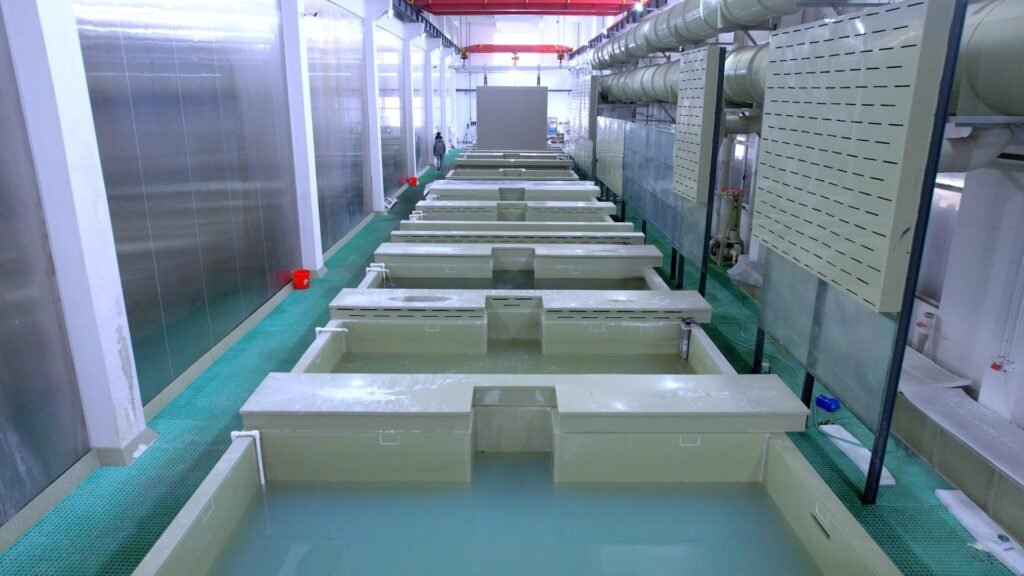
Surface treatment

anodic oxidation, ultrasonic cleaning, cold treatment, heat treatment, sandblasting, etc.

Quality inspection

Coordinate measuring machine measurement, helium mass spectrometry leak detection, etc.

A Complete Supply Chain

How to select the appropriate vacuum chamber for photovoltaic cell manufacturing

Selection Criteria

What should be checked?

Chamber material

For applications requiring resistance to corrosive PECVD or ALD gases, it is recommended to select SS 316L material; for processes that do not generate corrosive substances, using an anodized 6061-T6 aluminum alloy is recommended.

Chamber Dimensions and Structure

Please ensure that all dimensions, port layout, viewport settings, conductive paths, and internal mounting mechanisms are compatible with your device and wafer dimensions.

Vacuum level and leakage rate

It must be confirmed that the vacuum chamber can achieve the required pressure level and pass a helium leak test. For high-vacuum deposition processes, the leakage rate must reach 10⁻⁹ Pa·m³/s or lower.

Internal surface treatment performance

The internal surface shall be ensured to be smooth and have undergone electro-polishing treatment (surface roughness Ra ≤ 0.2 μm), thereby reducing gas adsorption and the deposition of chemical substances.

Heat control

Please verify whether it is equipped with a functional cooling system and a robust structural design to prevent overheating, flange deformation, and sealing issues.

Nothing is more persuasive than a customer satisfaction review

Please read the testimonials from our esteemed partners to discover how we precisely and excellently meet their unique needs.

 Olivia Clark (Canada) Sales Manager

Our experience with the custom chamber manufacturing project in collaboration with Laiku Vacuum has been excellent. The products feature high machining precision and stable vacuum performance; design specifications are communicated efficiently; delivery timelines are well-managed; and after-sales service is promptly responsive – making them a trustworthy long-term partner.

 Robert Davis (France) Business Manager

We have stringent quality requirements for ultra-high vacuum components; Laiku's welding and clean assembly processes fully comply with project specifications. Their team possesses exceptional expertise and can swiftly collaborate to resolve any issues encountered; we look forward to continuing our deep collaboration in the future.

Ava Lewis (Brazil) Account Manager

We have placed multiple orders for vacuum chambers with Laiku, and each batch has undergone rigorous quality inspection. The production process is transparent, customization adjustments are seamlessly integrated, and the overall cost-effectiveness is outstanding – highly recommended for businesses requiring vacuum chambers.

FAQs

Why must photovoltaic manufacturing utilize high-performance vacuum chambers, and why cannot conventional pressure vessels serve as substitutes?

Photovoltaic cells require nanoscale thin-film deposition and plasma processing; they must not only withstand pressure but also achieve ultra-high vacuum conditions, extremely low leakage rates, minimal material outgassing, high internal chamber cleanliness, and resistance to plasma corrosion. Conventional pressure vessels only meet basic pressure-bearing safety requirements; they cannot achieve extremely low leakage rates, exhibit significant material outgassing, and fail to provide adequate internal cavity cleanliness. Such vessels may release water vapor, oxygen, and particulate matter, leading to semiconductor thin-film oxidation and defect formation, which directly reduces the cell’s conversion efficiency and yield. Therefore, conventional pressure vessels cannot replace specialized high-performance vacuum chambers for photovoltaic applications.

The leakage rate indicates the extent of gas ingress into the chamber from the outside. If the leakage rate exceeds the specified limits, oxygen and water vapor will continuously enter the cavity, leading to the oxidation and decomposition of the passivation layer, TCO, and perovskite thin film; this process can result in pinholes and defects, thereby increasing the series resistance of the cell and reducing its conversion efficiency; in severe cases, it may lead to the scrapping of entire batches of silicon wafers. High-efficiency cells, such as HJT and perovskite-based cells, have significantly higher leakage rate requirements compared to conventional crystalline silicon cells.

PVD (Physical Vapor Deposition) relies on the sputtering or evaporation of target material particles to grow thin films; it is a physical process. PECVD (Plasma-Enhanced Chemical Vapor Deposition), on the other hand, relies on chemical reactions between process gases within a plasma environment to deposit thin films.

PVD chamber: requires ultra-high vacuum, low gas emission, resistance to ion bombardment, a highly clean interior cavity, and must satisfy the atomic mean free path requirements for target materials; it is well-suited for the fabrication of TCO conductive films and metal electrodes.

PECVD chamber: Must withstand plasma corrosion; requires high precision in chamber flatness and assembly cleanliness; must accommodate the installation of electrodes and spray plates to ensure uniform gas distribution; is commonly used for amorphous silicon and passivation layer deposition.

Aluminum alloy chambers are lightweight and offer excellent thermal conductivity and heat dissipation properties; they typically employ friction stir welding, allowing for controlled machining deformation, and are widely used in transfer chambers and PECVD chambers; however, their drawback is their limited resistance to plasma corrosion. Stainless steel chambers feature lower gas release rates and stronger corrosion resistance, making them suitable for ultra-high vacuum and high-plasma environments, albeit at the expense of greater weight. Selection guidelines: For applications prioritizing lightweight heat dissipation, aluminum alloy chambers should be preferred; for ultra-high vacuum conditions, severe plasma bombardment, or perovskite deposition processes, stainless steel chambers are recommended.

The overall development and delivery cycle is primarily influenced by factors such as the chamber dimensions, the complexity of the welding process (friction stir welding / laser welding), material selection, and the required precision of geometric tolerances; additionally, factors including the drawing confirmation cycle, raw material procurement cycle, heat treatment,coordinate measuring machine (CMM) inspection, helium testing, cleanroom assembly workload, and the customer’s Final Acceptance Test (FAT) for factory release all impact the overall timeline.

① Creates a high- or ultra-high-vacuum sealed environment that isolates the process from oxygen, water vapor, and impurities, thereby protecting semiconductor functional thin films; ② Supports thin-film deposition processes such as PVD, PECVD, ALD, and evaporation; ③ Provides a stable plasma reaction environment for performing etching and cleaning; ④ Functions as a vacuum transfer chamber to enable the transfer of silicon wafers between different process stations without exposure to air; ⑤ Serves as an installation platform for core components such as electrodes, target materials, and gas spray systems.

Vacuum chambers are primarily used in solar cell manufacturing processes such as PVD coating, PECVD amorphous silicon deposition, LPCVD polycrystalline silicon deposition, ALD passivation layer deposition, vacuum evaporation, plasma etching and cleaning, and other related processes.

Customization Process

Requirements Matching

The client provides drawings, process parameters, and technical specifications; the enterprise then conducts a feasibility assessment and signs a confidentiality agreement.

Solution Quotation

The company provides a solution proposal, confirms the technical details, and issues a quotation.

Exclusive manufacturing

Procurement of dedicated raw materials; provision of machining and welding services; surface treatment and cleaning; and final assembly conducted in a cleanroom environment.

Factory-wide inspection

Utilizes multiple testing methods, including coordinate measuring machines (CMMs), helium mass spectrometry leak detection, and 2D projection systems, to generate a comprehensive inspection report.

After-sales services

We assist customers with on-site commissioning and provide warranty, maintenance, and other related services.

C O N C A C T

Get in touch

Have questions or need assistance? Reach out to us through the contact form or send us an email. We’re here to listen and assist in every way we can!

Contact

Get in touch

Laiku is a high-tech equipment parts manufacturer dedicated to the manufacturing of semiconductor equipment components and ultra-high vacuum chambers.

+86-15828280404

rain@szlaiku.com

연락하다

연락하세요

라이쿠는 반도체 장비 구성 요소와 초고진공 챔버를 생산하는 첨단 장비 부품 제조업체입니다.

+86-15828280404

rain@szlaiku.com

Please feel free to get a free quote!

Our engineers will reply to your email immediately and wish you a smooth day!