
The selection of a suitable welding supplier cannot be confined to finding the cheapest or lowest price and the quickest delivery. Inconvenience, inconsistency, precision, and integrity of materials are non-negotiable when it comes to your company's reliance on vacuum systems and precision welding.
A supplier of tight tolerances, high-purity materials, and non-leaky welds is required, as a small flaw will affect system performance, resulting in expensive downtime or rework. The wrong supplier does not simply make you slow down; it puts the whole operation at stake.
So how do you identify a welding supplier you can truly rely on for precision, cleanliness, and long-term performance? Let’s break it down.
9 Steps to Choose a Reliable Welding Supplier
Step 1: Define Your Requirements Clearly
You must have a clear understanding of what you actually require before you contact a welding supplier. Determine the type of welding procedures used (e.g., MIG, TIG, or stick welding), as well as materials, volumes, tolerances, and details of application. Specifications are a way to ensure the suppliers provide the correct quote and allow avoiding misunderstandings in the future. A trusted supplier will not provide generic answers to the technical queries but will ask specific questions.
Step 2: Industry Experience & Expertise
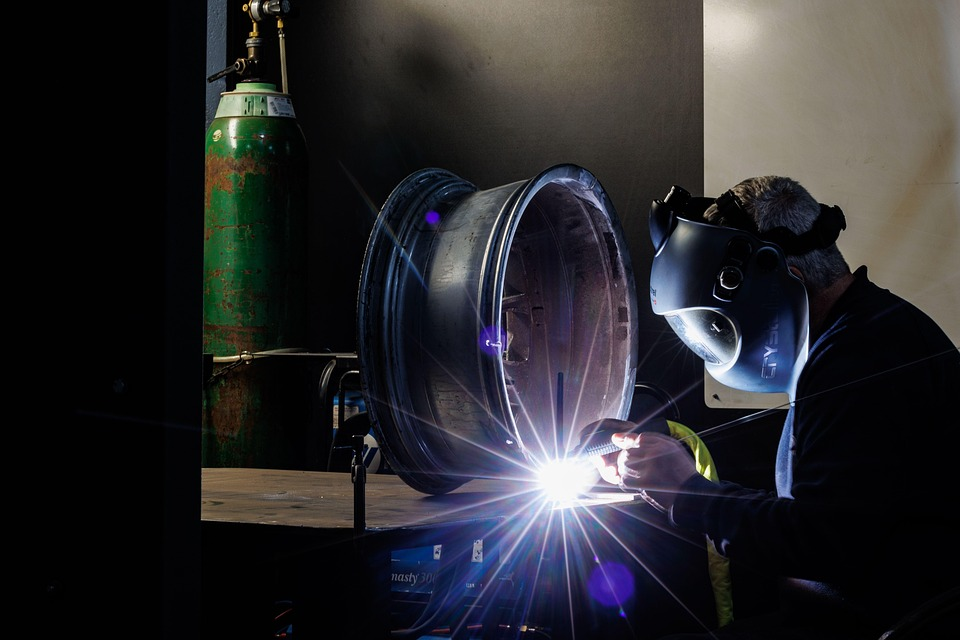
You need to examine the level of experience that the supplier has in your industry or in a related area of application. Consider their years of operation, the type of projects that they have done, and how well they are conversant with your material. Their welding equipment, technology, and the level of skills of their workforce imply the consistency with which they can deliver to your standards. Proven suppliers are less risky and more reliable in the long term.
Image Source: Pixabay(https://pixabay.com/photos/welding-wheel-repair-metalworking-8445458/)
Step 3: Assess Equipment, Workforce, and Process Capability
You must ensure that the supplier possesses the appropriate equipment and skilled workforce to handle your production. Modern equipment and certified welders contribute to the guarantee of the same quality and reduced flaws. Questions on how their processes are controlled and documented.
Step 4: Review Safety and Compliance
The next step is how to verify welding supplier compliance and certification. Safety and compliance cannot be a choice. You should also ensure that the supplier has a number of recognized standards, like ISO, AWS-certified welding services, ASME, and other appropriate certifications. Inquire about how inspections, testing, and quality checks are done. An honest supplier will not hesitate to give their compliance systems and make them available in the form of documents.
Step 5: Analyze Financial Stability and Reliability
You must consider how financially stable the supplier is and whether it can collaborate in a long-term cooperation. Check their reputation, insurance, time of operation, and history of timely delivery. Suppliers who are not financially sound will not bring about disruptions because of cash flow complications and instability in their operations. This will ensure against the unforeseen danger of the supply chain.
Step 6: Consider Logistics and Communication
You should also consider the location of the supplier, since it has an impact on lead times and expenses. Fast and reliable delivery is essential, as a great supplier is easy to reach, whether through phone, email, or in-person support.
- Location & Logistics
- Communication & Responsiveness
- Flexibility
- Technical support and after-sales service
Step 7: Compare Costs and Value
Everyone loves a bargain, but prices that seem too good mean lower quality or unreliable supply. So, take the rates from 3--4 suppliers, compare them, and judge which one offers fair pricing without compromising on quality. Then go with the supplier that gives you the best balance of cost, reliability, and service.

Image Source: Unsplash(https://unsplash.com/photos/a-remote-control-sitting-on-top-of-a-table-next-to-a-book-heiYgqp0Tsk)
Step 8: Check References, Audit, and Past Performance
Client references, testimonials, and previous project samples should be read at all times. A call to previous or existing customers will provide you with information about trustworthiness, consistency, and problem-solving skills. Conduct a process review/facility audit, where possible.
Step 9: Trial Projects or Prototypes
You can start with a small trial or prototype order before making large orders. It will satisfy your how to test welding suppliers with sample orders question. This enables you to test quality, lead time, communication, and responsiveness between real conditions. Ask questions along the way and find out how the supplier responds to feedback or corrections. This strategy will be welcomed by an empowered supplier.
- Start Small
- Ask Questions
- Check Return Policies
Red Flags to Watch For
There are some questions to ask before hiring a welding supplier because these factors in selecting a certified welding supplier will help you how to assess welding vendor quality and reliability. It is better to be careful when a supplier gives unclear responses and evades technical questions, or he/she is reluctant to give certifications and documents. Delayed customer responsiveness, undefined prices, and trial order resistance are also often signs of underlying operational problems. Consider these...
- Lack of certifications or unwillingness to share quality records.
- Poor communication or delayed responses.
- Vague pricing or frequent cost changes.
- High employee turnover or underqualified staff.
- Negative reviews about missed deadlines or rework.
Final Thoughts -- LAIKU a Supplier You Can Trust
In summary, choosing a suitable welding supplier means assessing experience, compliance, reliability, certified welding services, and communication. If you need help with welding services or selecting a reliable welding supply partner, the next step is simple: match your application with a supplier that treats welding as a process-critical operation, not a commodity service.
The right supplier, like LAIKU, focuses on quality, consistency, safety, and technical accuracy rather than just cost. LAIKU works closely with you to understand your project requirements, materials, timelines, and compliance needs, and helps reduce risk, avoid rework, and keep projects on schedule. As a welding fabrication company, we offer commercial welding services Contact LAIKU today to discuss your welding needs and build a partnership you can trust.