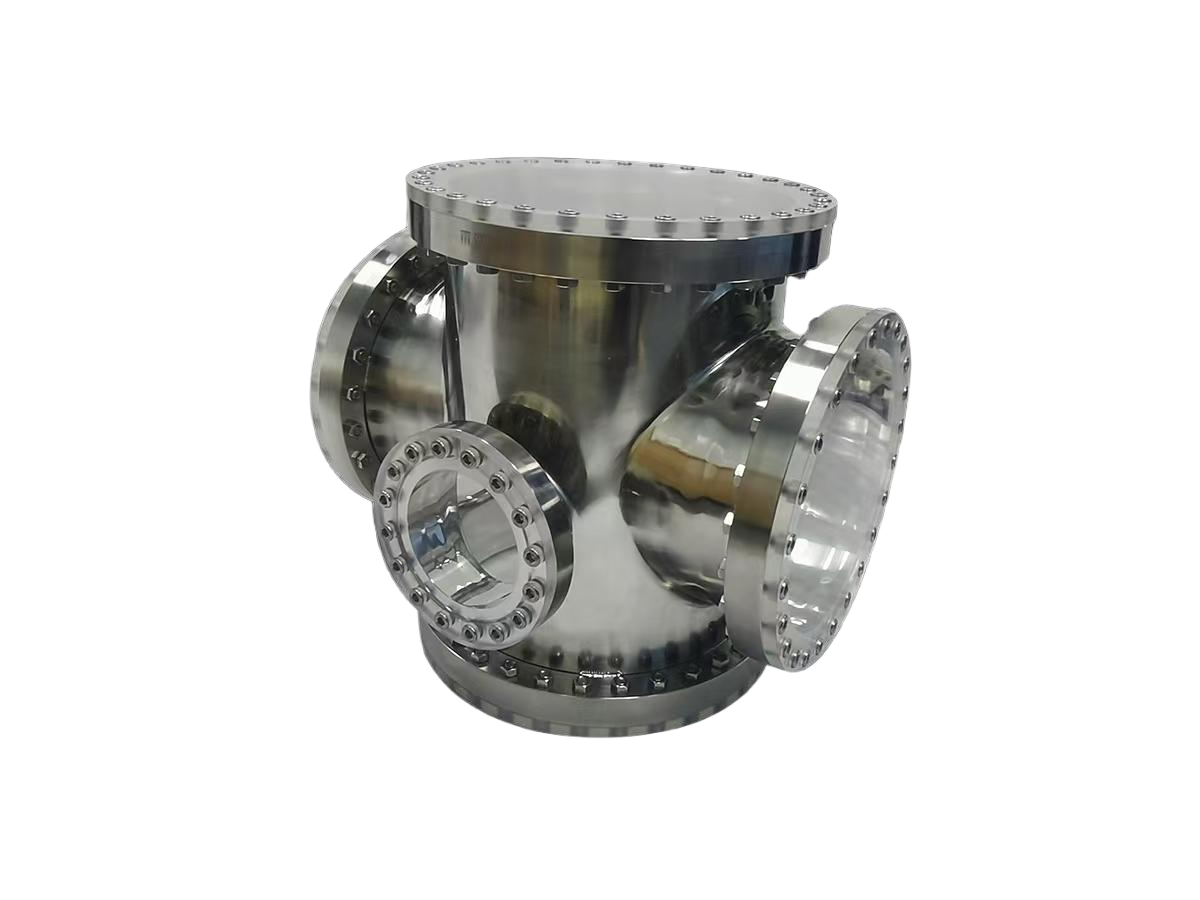


In the ever-evolving world of technology, vacuum chambers play a pivotal role. But what exactly do they do, and why are they so essential?
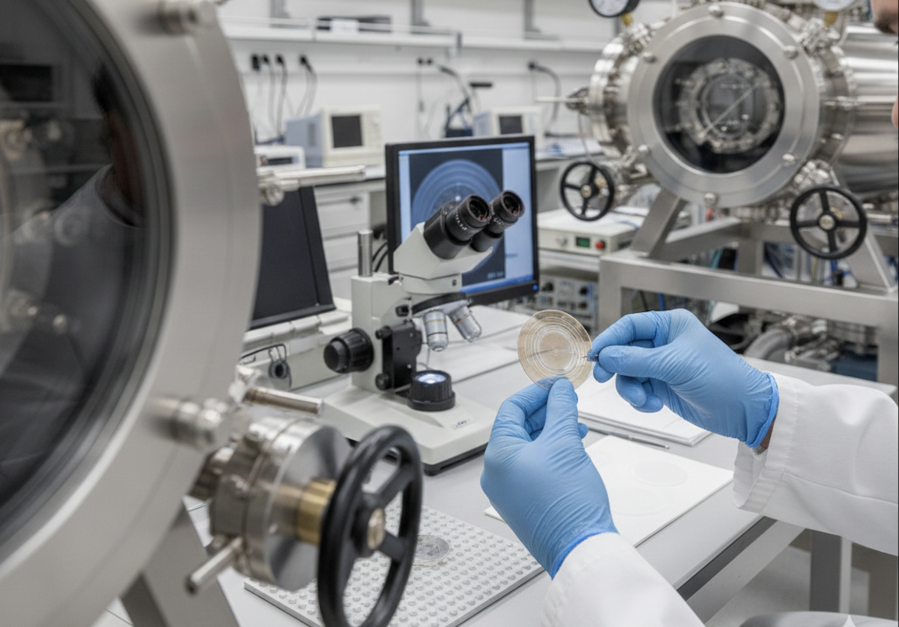
A vacuum chamber is used to create a controlled environment that removes air and other gases, providing a clean and stable space required for precision applications. They are vital in industries like semiconductor manufacturing, where they're used for processes such as lithography, thin-film deposition, and ion implantation.

Vacuum chambers, though complex, are fascinating. Let’s explore how these devices impact modern industries and shape our technological landscape.
How do vacuum chambers contribute to semiconductor manufacturing?
In semiconductor manufacturing, vacuum chambers create essential environments. They support processes like lithography and thin-film deposition by providing pure, stable vacuum conditions required for precision.
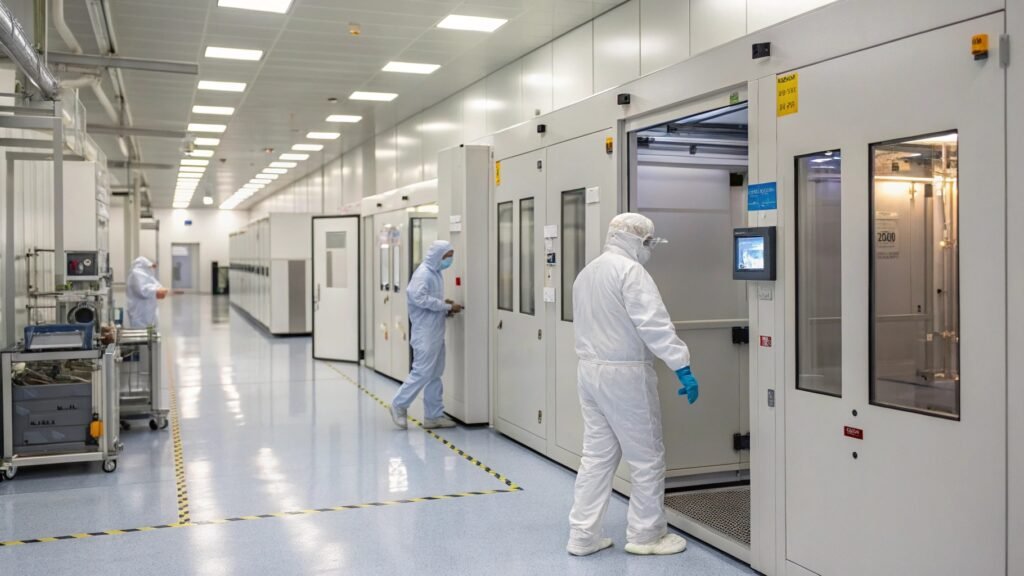
Semiconductor manufacturing relies heavily on the controlled environments that vacuum chambers provide. These devices ensure the purity needed for delicate processes by encompassing several stages—from material selection, precision machining, to surface treatment. However, challenges such as material machining difficulty and sealing performance remain. As the field evolves, the focus is on material innovation, smart manufacturing, and integrated design.
Exploring Material Innovation, Smart Manufacturing, and Integrated Design
Material innovation is crucial. New materials offer improved mechanics, corrosion resistance, and thermal conductance vital for future semiconductors demands. Moreover, with environmental awareness rising, focus shifts to eco-friendly and recyclable materials. Integrated design helps improve system stability and reliability by reducing interface numbers and leakage points. It also allows for flexible combinations and exchanges between process modules to better meet various requirements.
Which other industries benefit from vacuum chambers?
Vacuum chambers go beyond semiconductors. Industries like aerospace, medical, and energy sectors also benefit from their ability to create precise environments.
In aerospace, vacuum chambers test spacecraft components in space-like conditions. Medical sectors use them for sterilization, ensuring that medical instruments are germ-free before use. In the energy sector, they're crucial in simulating environments for developing renewable technologies.
Understanding Diverse Applications Across Sectors
In aerospace, components undergo testing in vacuum chambers for durability in space conditions. Here, chambers simulate the absence of atmosphere and pressure variations encountered during space travel. Medical industries rely on vacuum chambers for sterilizing equipment, ensuring it’s free from microbial life. This process is essential for patient safety in surgeries and treatments. In renewable energy, vacuum chambers help develop solar technologies by simulating vacuum conditions for thin-film solar cell production, leading to more efficient energy capture.
What are the future trends impacting vacuum chamber technology?
Future developments in vacuum chambers include breakthroughs in materials, precision processing, and sustainability practices to meet evolving industrial needs.
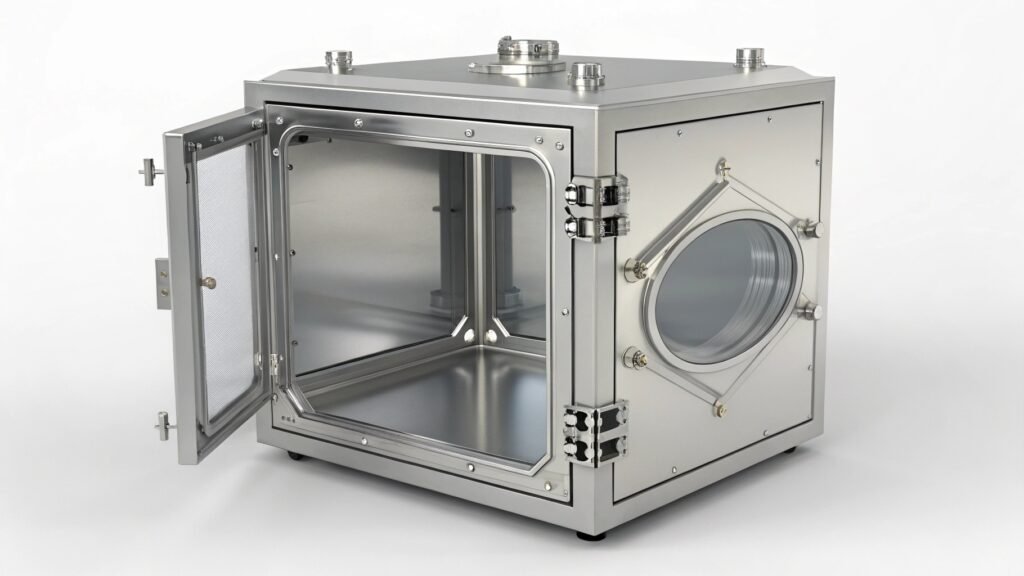
As technology advances, vacuum chamber technology must adapt. High-performance, low-cost materials will lead to innovations in manufacturing. Integrated and modular designs contribute to more robust and versatile systems. Sustainable practices focus on environmentally friendly production techniques, reducing waste, and improving product durability.
Examining Innovations for Tomorrow’s Challenges
Materials with better mechanical and thermal properties are emerging, driven by material science advancements. Emphasis on sustainability leads to the adoption of recycling practices and environmentally conscious manufacturing. Modular and integrated design trends enhance versatility and adaptability, making vacuum chambers suitable for a broader range of industrial applications while addressing complex challenges.
Conclusion
Vacuum chambers are indispensable in many industries, with advancements focusing on materials, precision, and sustainability ensuring their pivotal role in future technologies.