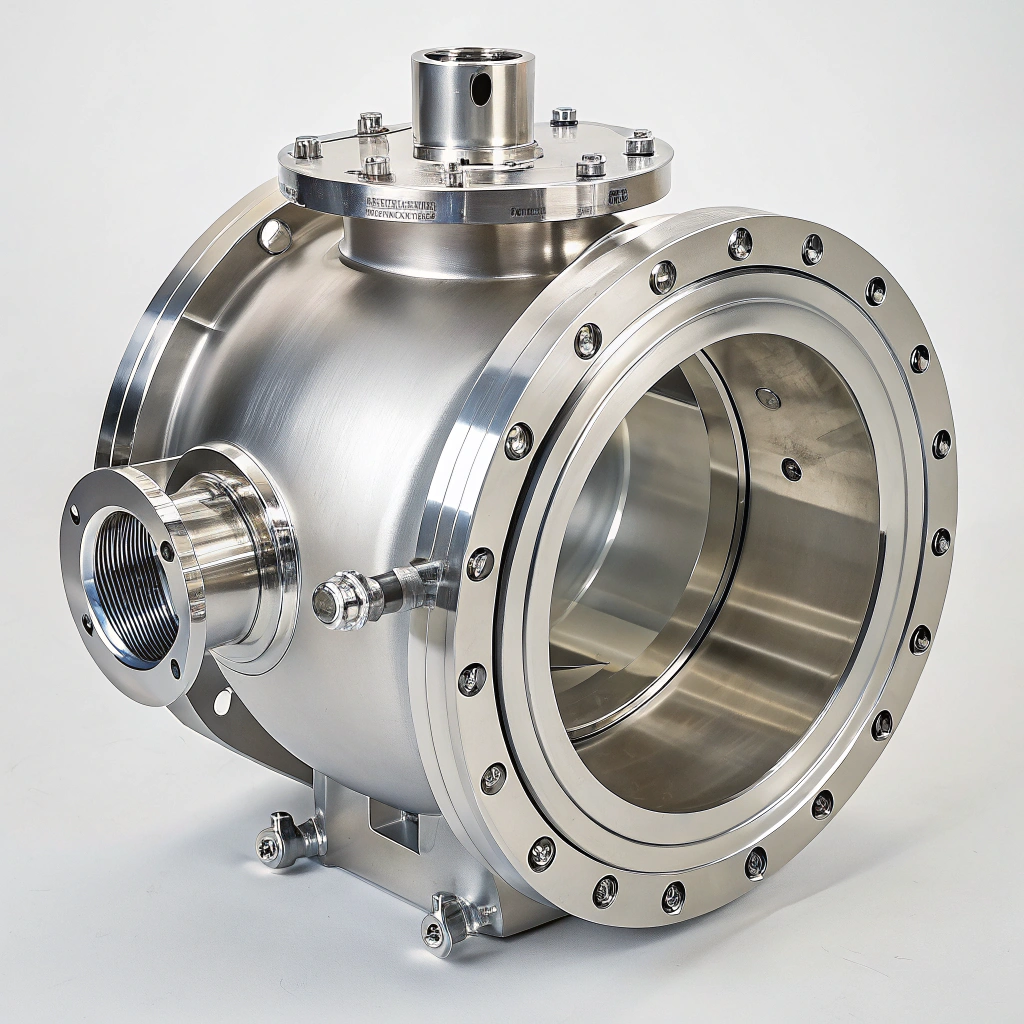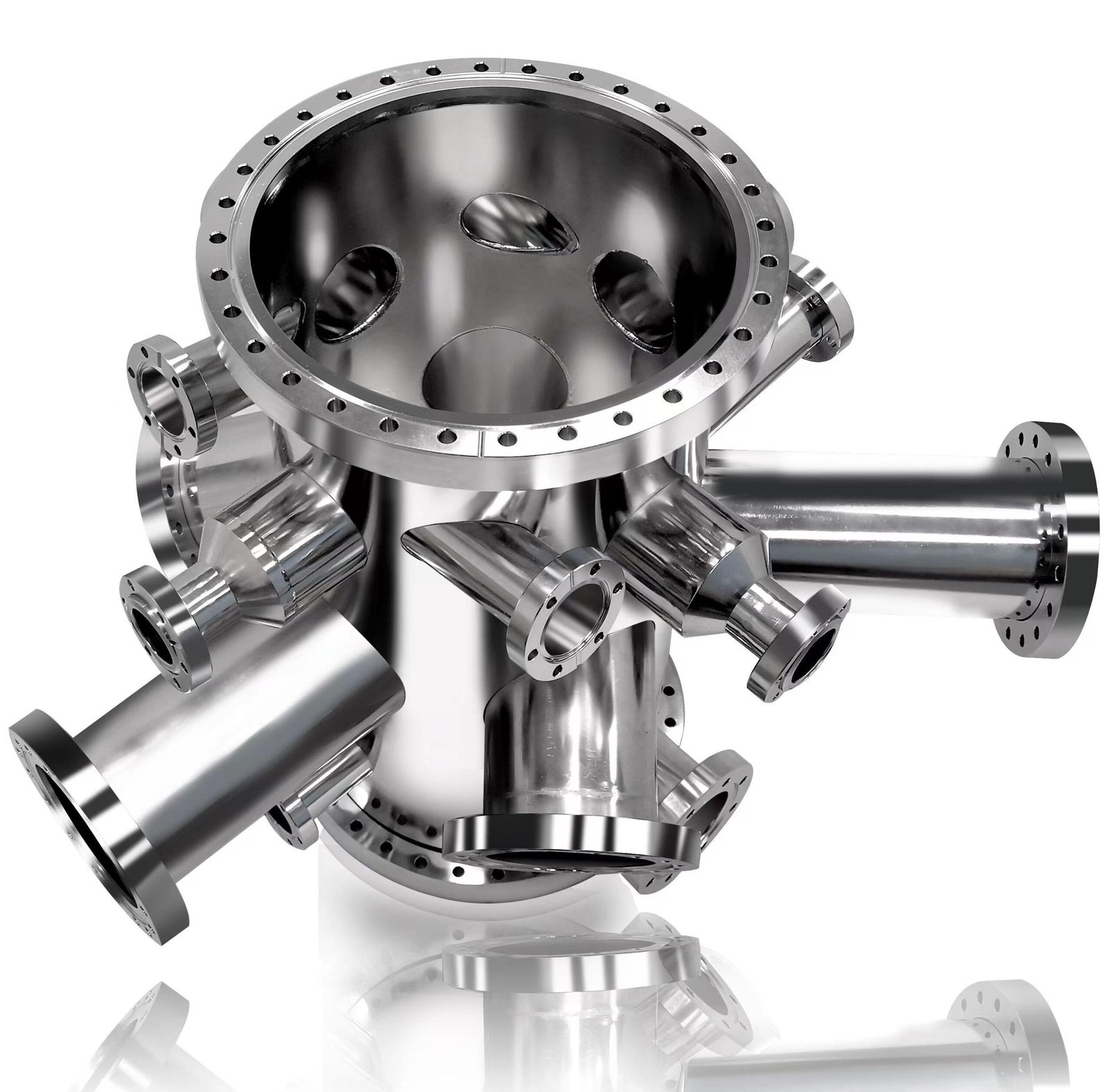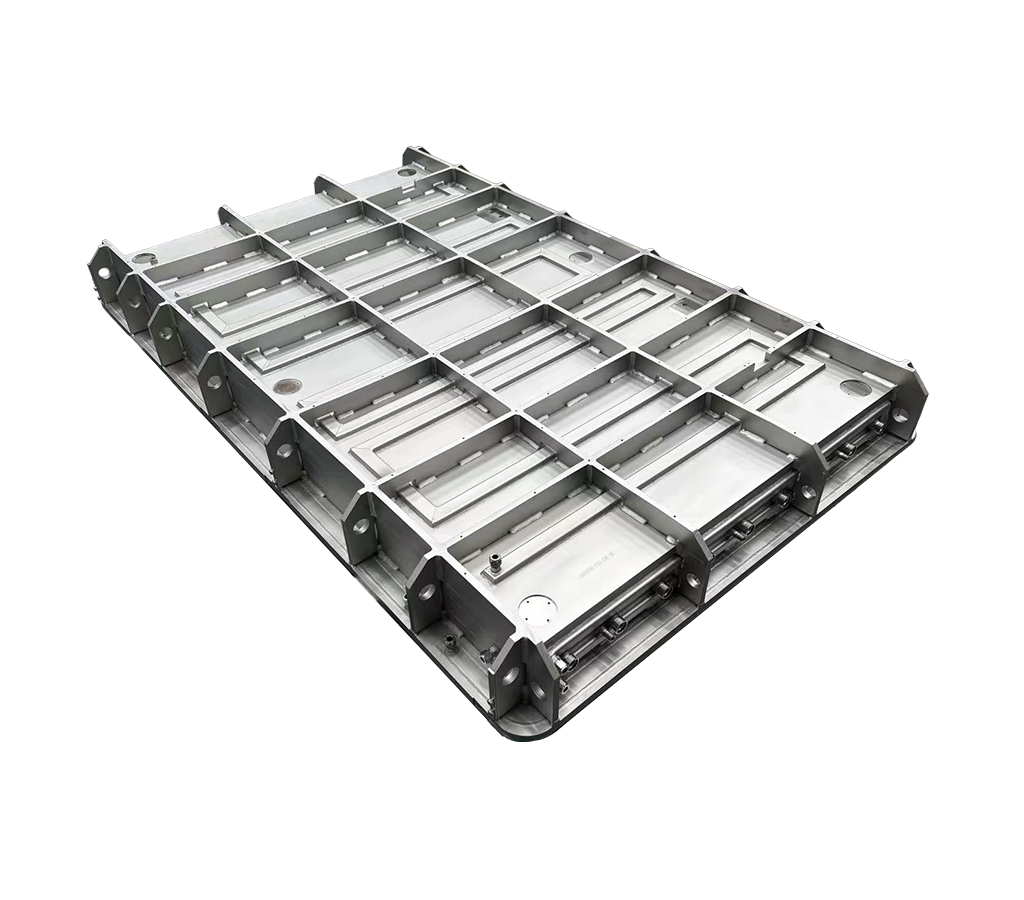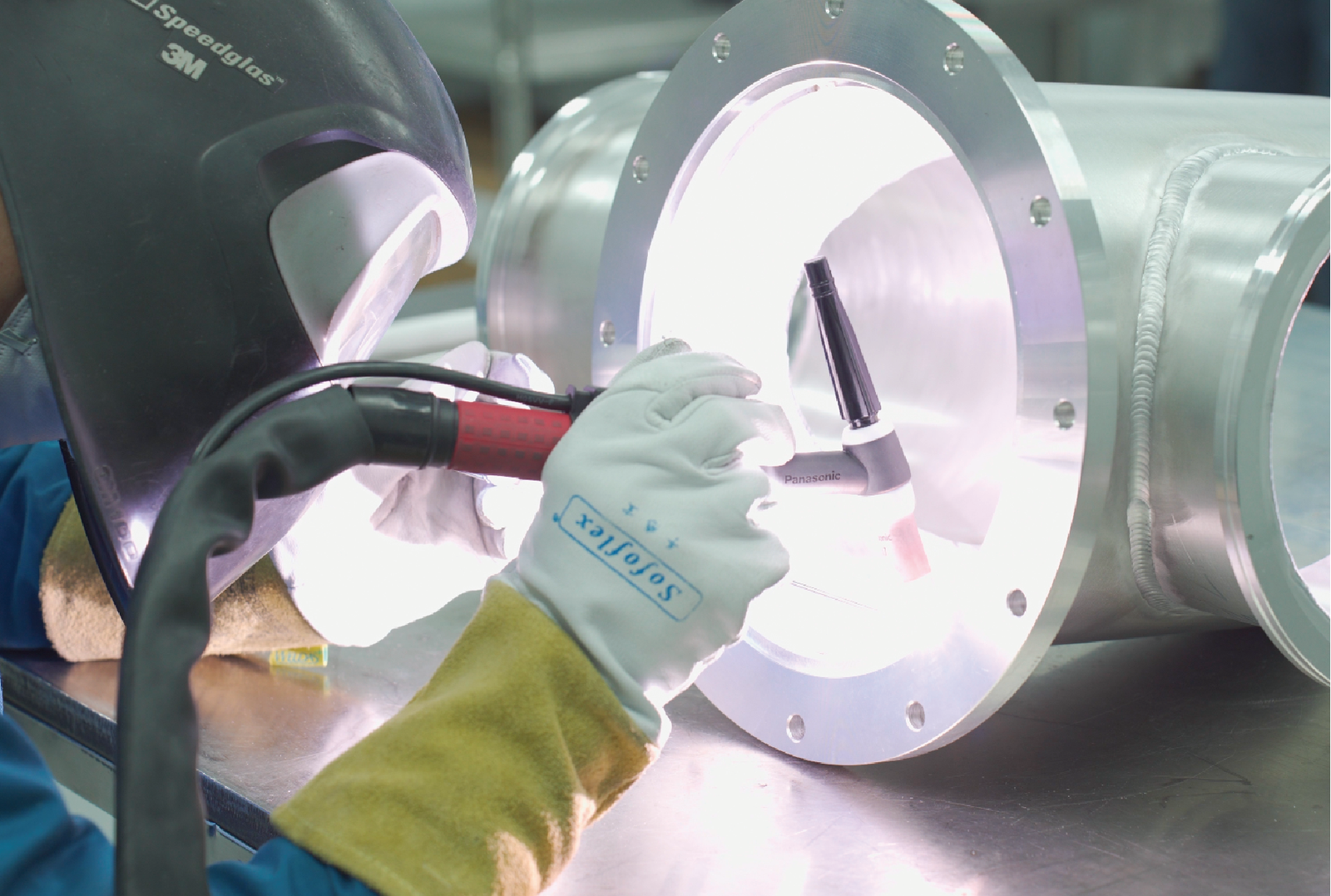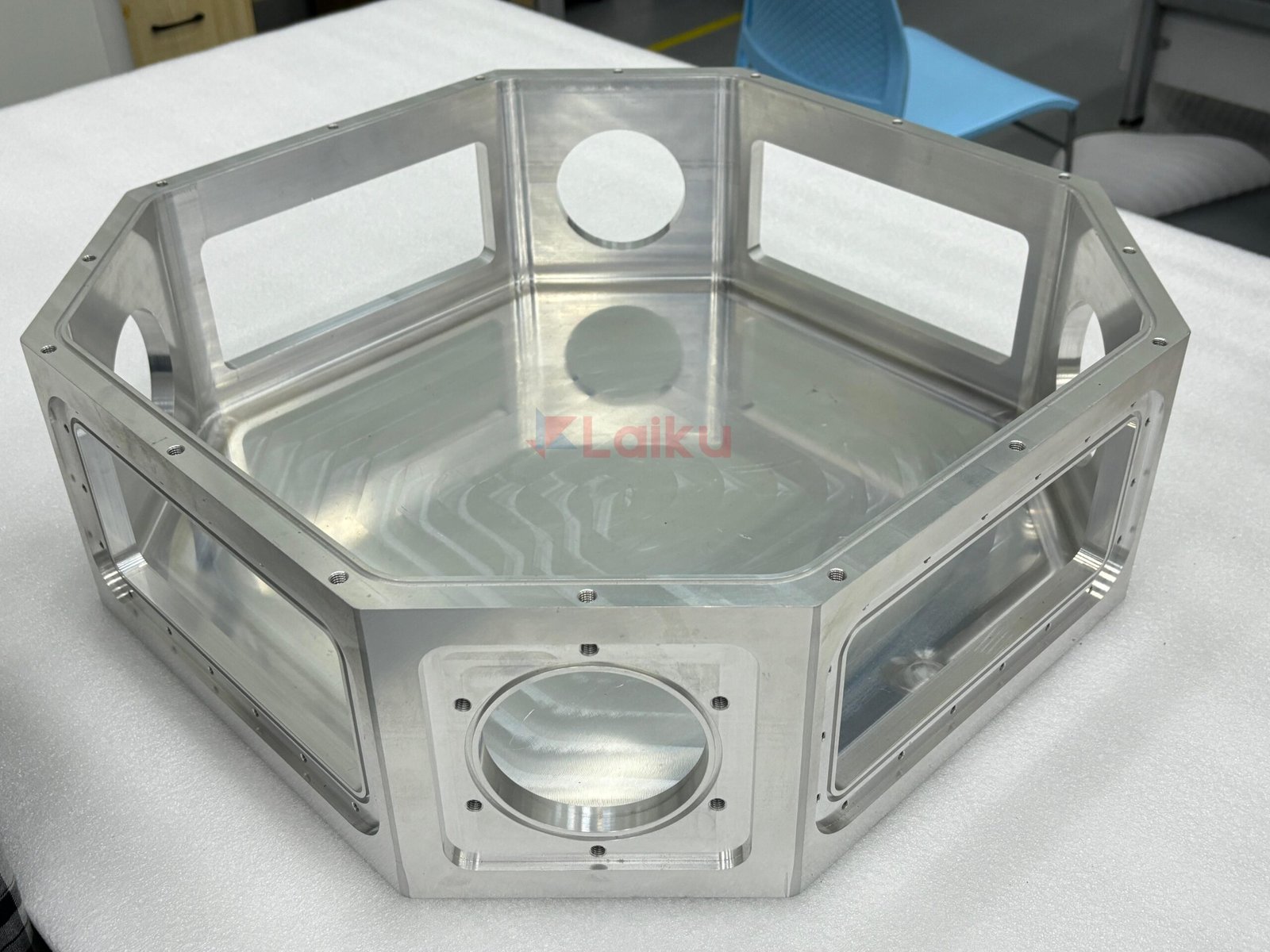

Ever wondered why semiconductor manufacturing feels impossible without perfect vacuum chambers? These aren't just containers anymore - they're the heart of modern chip production.
Vacuum chambers have evolved from simple containers to critical process mediums that directly impact chip yield and performance. Today's advanced semiconductor processes demand chambers with ultra-low contamination levels and precise surface treatments that serve as integral parts of manufacturing solutions.
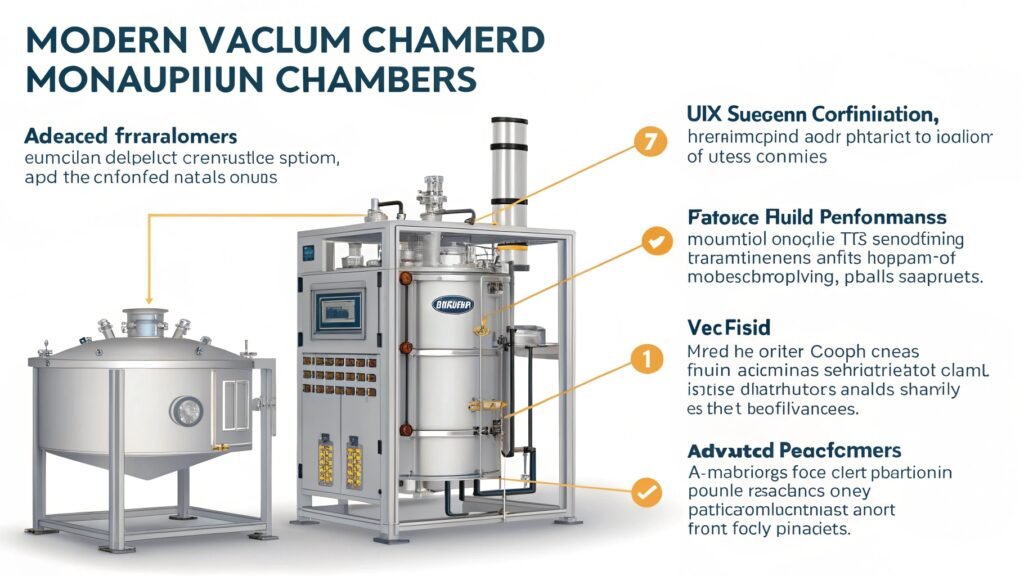
I've spent years watching this industry transform. What once seemed like basic metal boxes have become sophisticated engineering marvels. Let me share what makes these chambers so crucial in today's technology landscape.
Why Are Vacuum Chambers No Longer Just Simple Containers?
The old days of viewing vacuum chambers as mere physical vessels are long gone. Modern semiconductor processes have changed everything we thought we knew.
Modern vacuum chambers function as process mediums where material composition, structural design, and internal surface treatments directly influence chip manufacturing yield and consistency. The chamber itself becomes part of the manufacturing solution rather than just housing it.
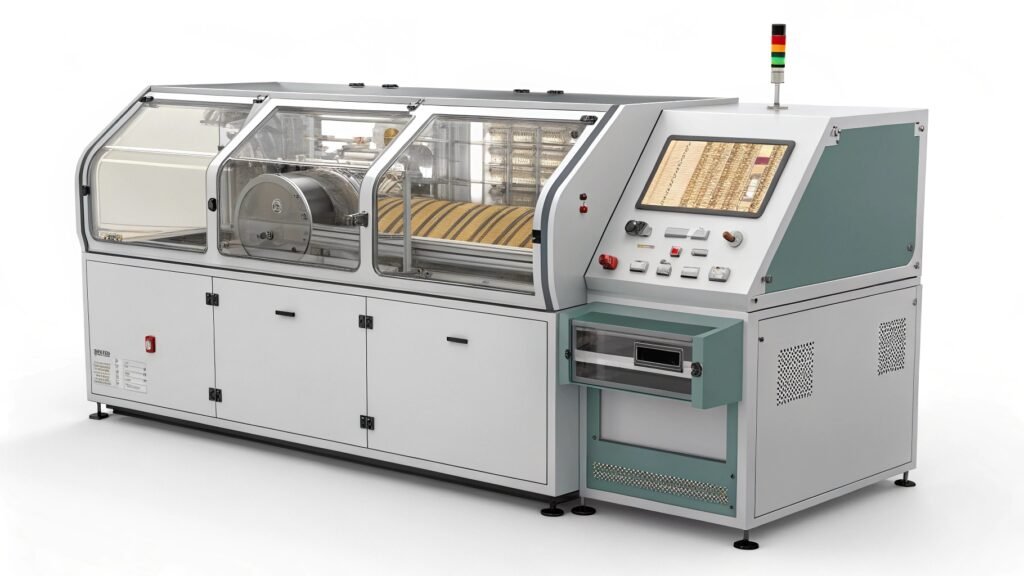
Think about this shift for a moment. When I first started in this field, we focused on making chambers that could hold vacuum reliably. That was enough back then. But as chip manufacturing moved toward smaller nodes, everything changed.
Today's chambers need ultra-smooth internal surfaces. The material composition affects chemical interactions during processes like atomic layer deposition. Even the way we join different sections impacts the final product quality. This means we can't just build a box and call it done.
The Platform Approach to Chamber Design
| Traditional Approach | Modern Platform Approach |
|---|---|
| Focus on sealing | Focus on process integration |
| Standard materials | Process-specific materials |
| Basic surface finish | Ultra-precision surface treatment |
| Simple leak testing | Comprehensive process validation |
We now design chambers as platforms. Each chamber becomes part of a larger system where every surface, every joint, and every material choice serves the manufacturing process. This platform thinking drives our development process at every stage.
The customer relationship has shifted too. Instead of selling a product, we partner in solution development. We work together to understand how our chamber will interact with their specific process requirements. This collaboration starts during design and continues through manufacturing and beyond.
What Makes Cleanliness the Ultimate Competitive Advantage?
Cleanliness in vacuum chambers has reached levels that seemed impossible just a few years ago. The standards keep getting stricter as processes advance.
Advanced processes like EUV lithography, atomic layer deposition, and dry etching require chamber surface cleanliness and ultra-low outgassing rates measured in parts per trillion. Even microscopic contamination can cause fatal defects in sub-10nm processes.
Let me put this in perspective. When we talk about parts per trillion contamination, we're dealing with levels so small they're hard to imagine. A single contaminating particle at this scale can ruin an entire wafer worth millions of dollars.
This drives everything we do in manufacturing. Traditional mechanical processing, welding, and testing aren't enough anymore. We've integrated advanced surface treatments into our core processes.
Advanced Surface Treatment Technologies
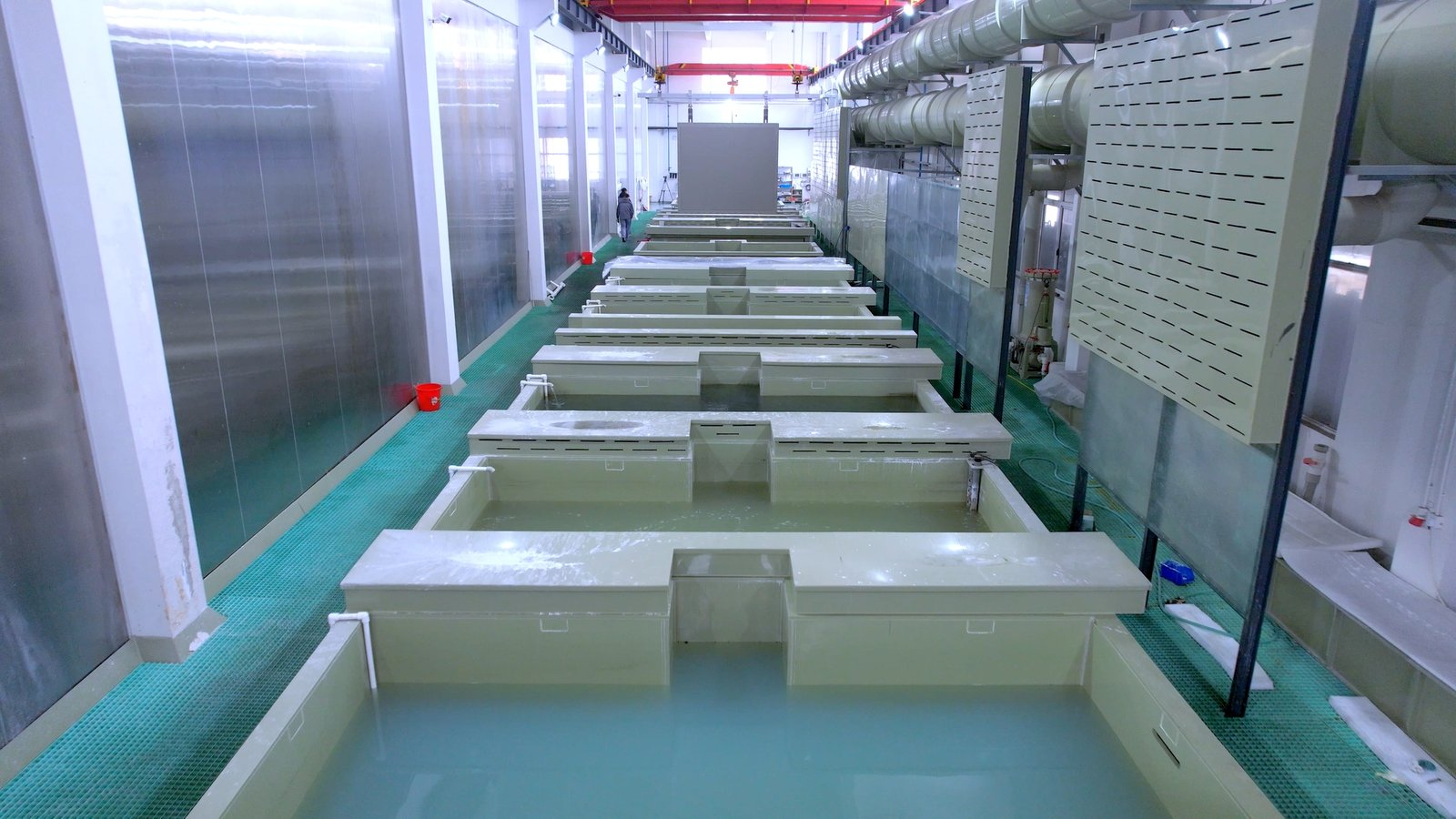
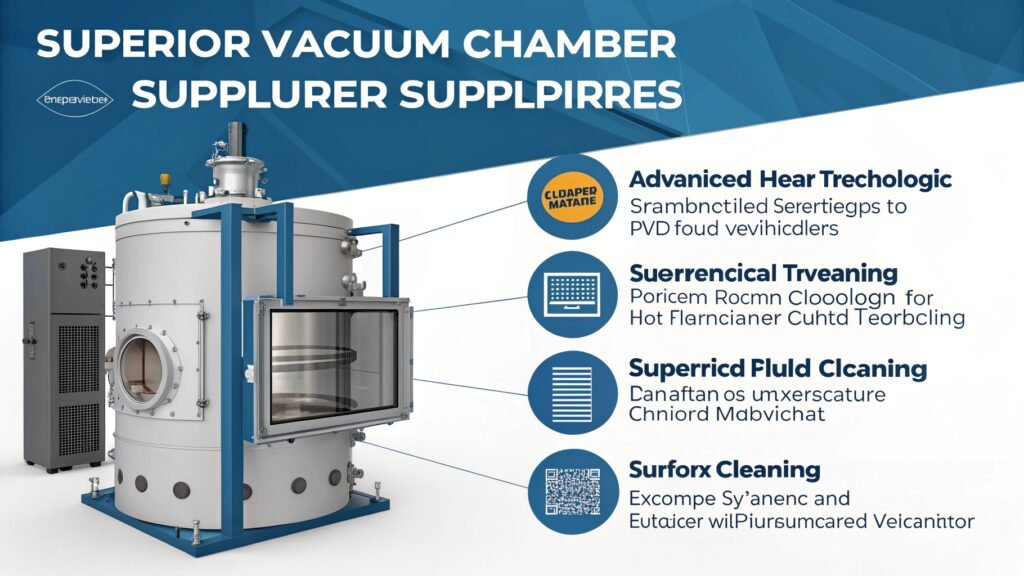
Our manufacturing now includes PVD coating processes that create ultra-smooth, chemically inert surfaces. We use precision heat treatment to eliminate internal stresses that could create particle generation sites. Plasma cleaning and supercritical fluid cleaning remove contamination at the molecular level.
Surface passivation creates protective layers that prevent material degradation over time. Each of these processes requires specialized equipment and expertise that goes far beyond traditional chamber manufacturing.
The business impact is clear. Companies that master these advanced cleanliness technologies separate themselves from competitors who still think in terms of basic vacuum containers. This technical capability becomes the foundation for customer relationships and long-term success.
Process Integration Requirements
| Process Type | Contamination Tolerance | Required Technologies |
|---|---|---|
| EUV Lithography | < 1 ppt particles | Plasma cleaning, molecular-level passivation |
| Atomic Layer Deposition | < 0.1 ppt metals | Supercritical cleaning, precision heat treatment |
| Dry Etching | < 10 ppt organics | PVD coating, advanced surface finishing |
How Do Manufacturing Capabilities Define Market Position?
The gap between excellent suppliers and average ones comes down to manufacturing capability depth. Surface treatment integration separates the leaders from followers.
Superior vacuum chamber suppliers integrate PVD coating, precision heat treatment, plasma cleaning, supercritical fluid cleaning, and surface passivation into their core manufacturing processes rather than treating them as optional add-ons.
I've seen many companies struggle with this transition. They continue thinking about chambers as mechanical products when the market demands integrated process solutions. The companies that succeed treat surface science as seriously as mechanical engineering.
Our approach integrates these advanced processes from the design stage. We don't add cleaning or surface treatment as afterthoughts. Every manufacturing step considers the final surface requirements and process compatibility.
Technology Integration Advantages
The competitive advantage comes from process control. When we control every step from raw materials to final passivation, we can guarantee performance levels that would be impossible otherwise. This control extends to traceability, quality assurance, and continuous improvement.
We've invested in cleanroom manufacturing environments that match our customers' production standards. This means chambers leave our facility ready for immediate installation without additional cleaning or preparation steps. This capability saves our customers time and reduces their risk of contamination during handling.
The technical expertise required spans multiple disciplines. Mechanical engineering covers structural design and precision machining. Materials science guides alloy selection and heat treatment parameters. Surface chemistry drives cleaning and passivation processes. This multidisciplinary approach defines the new standard for vacuum chamber manufacturing.
Competitive Differentiation Matrix
| Capability Level | Technology Integration | Market Position |
|---|---|---|
| Basic | Mechanical processing only | Commodity supplier |
| Intermediate | Some surface treatments | Regional player |
| Advanced | Full process integration | Technology partner |
| Leading | Platform-based solutions | Industry leader |
Companies operating at the leading level become strategic partners rather than suppliers. They participate in customer process development and contribute to next-generation technology advancement. This partnership approach creates sustainable competitive advantages that go beyond price competition.
Conclusion
Vacuum chambers have transformed from simple containers into sophisticated process mediums that directly impact semiconductor manufacturing success through advanced cleanliness and integrated manufacturing capabilities.