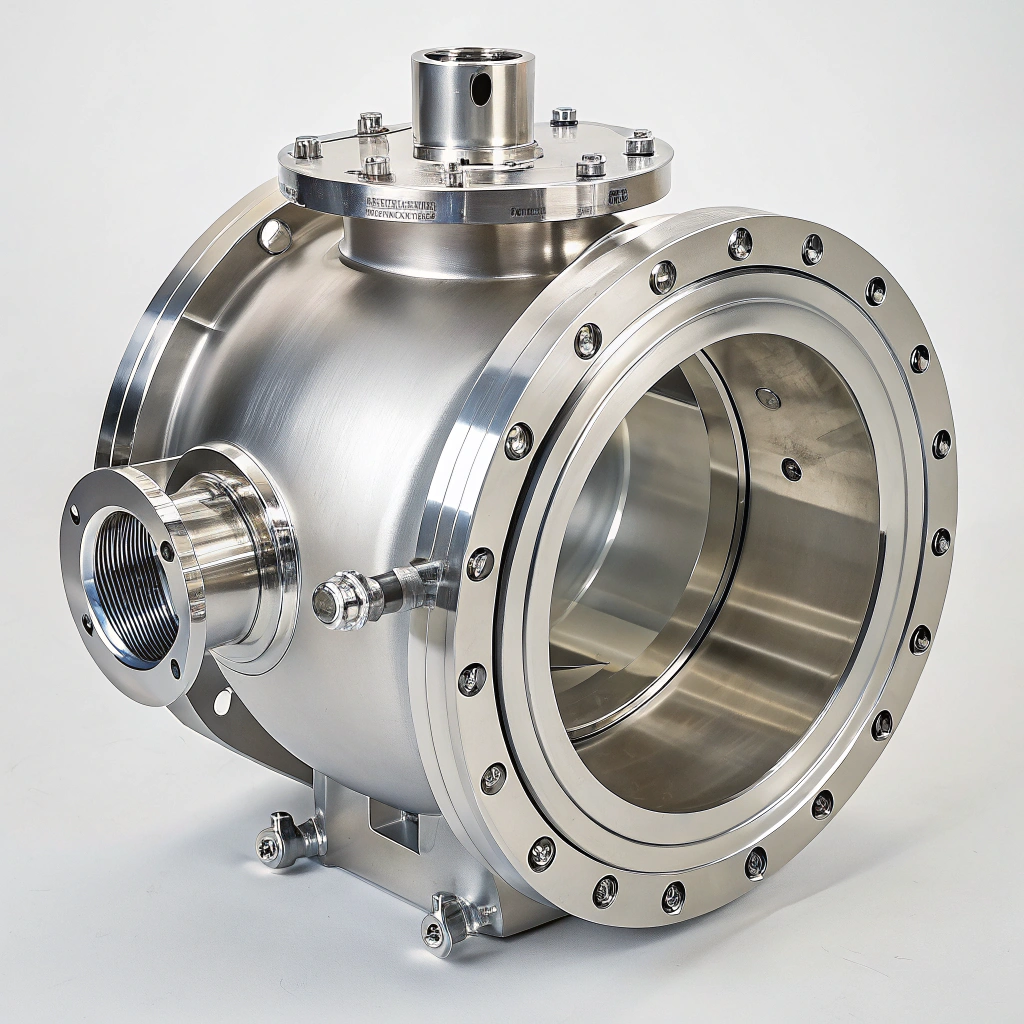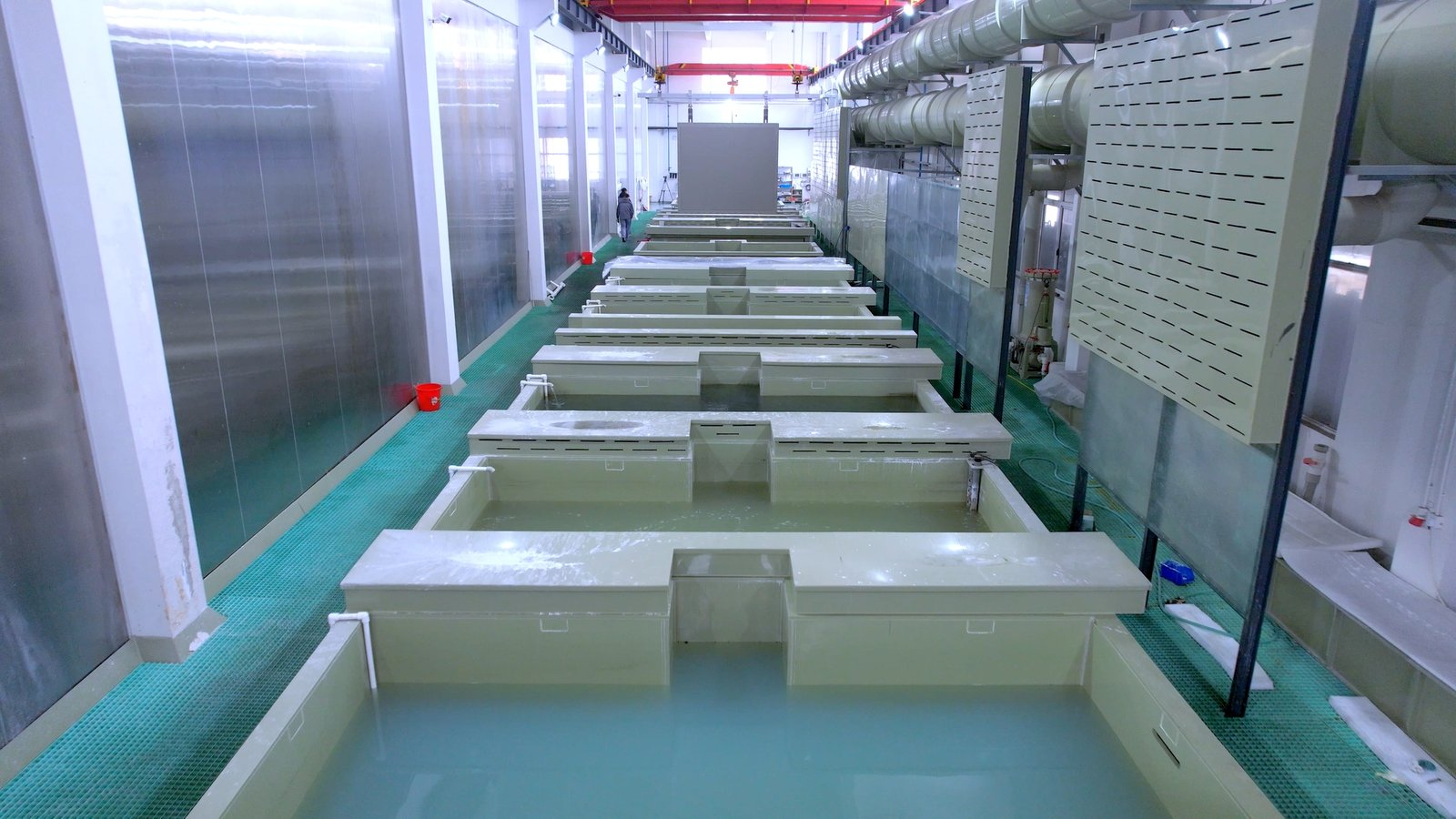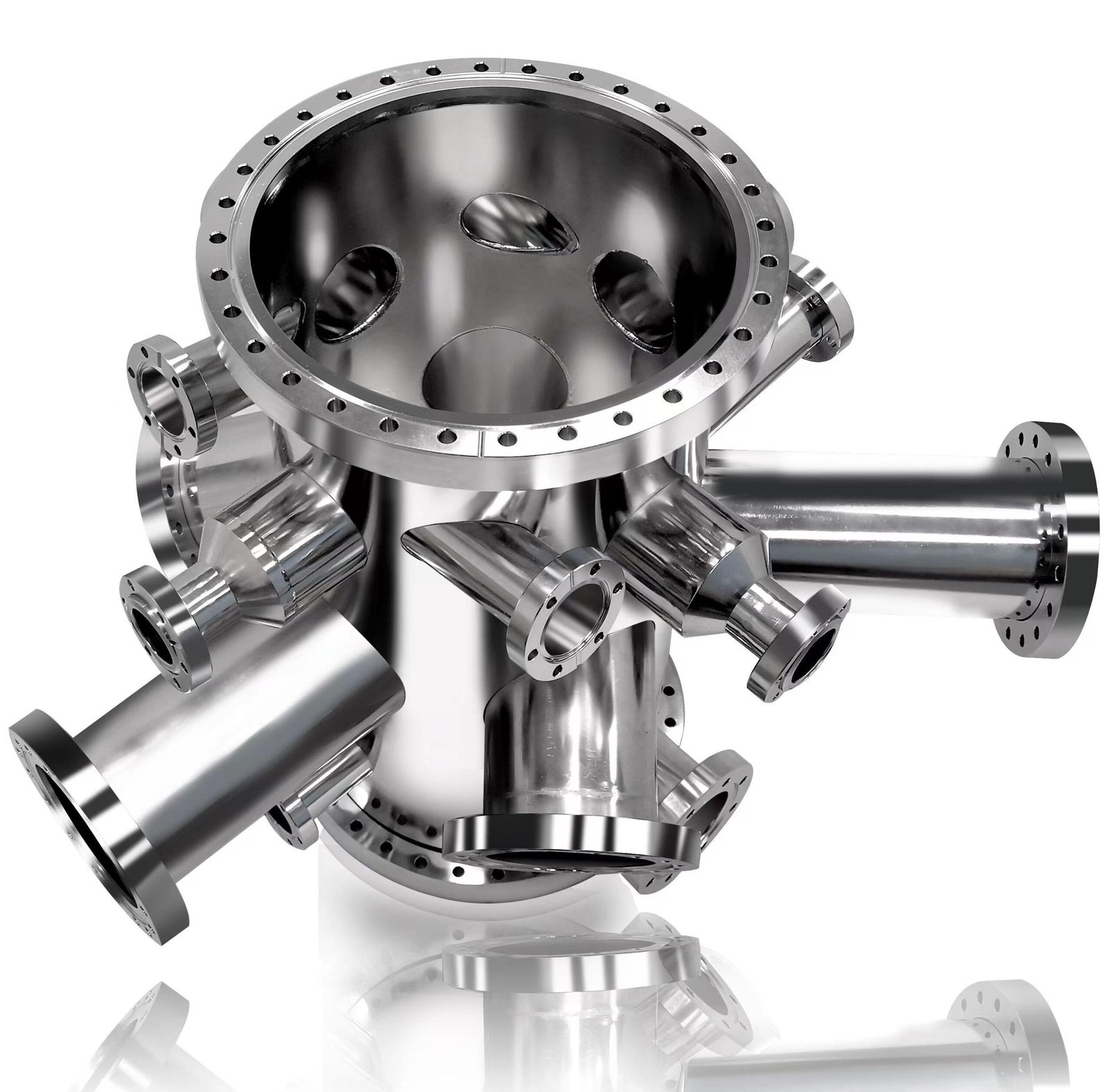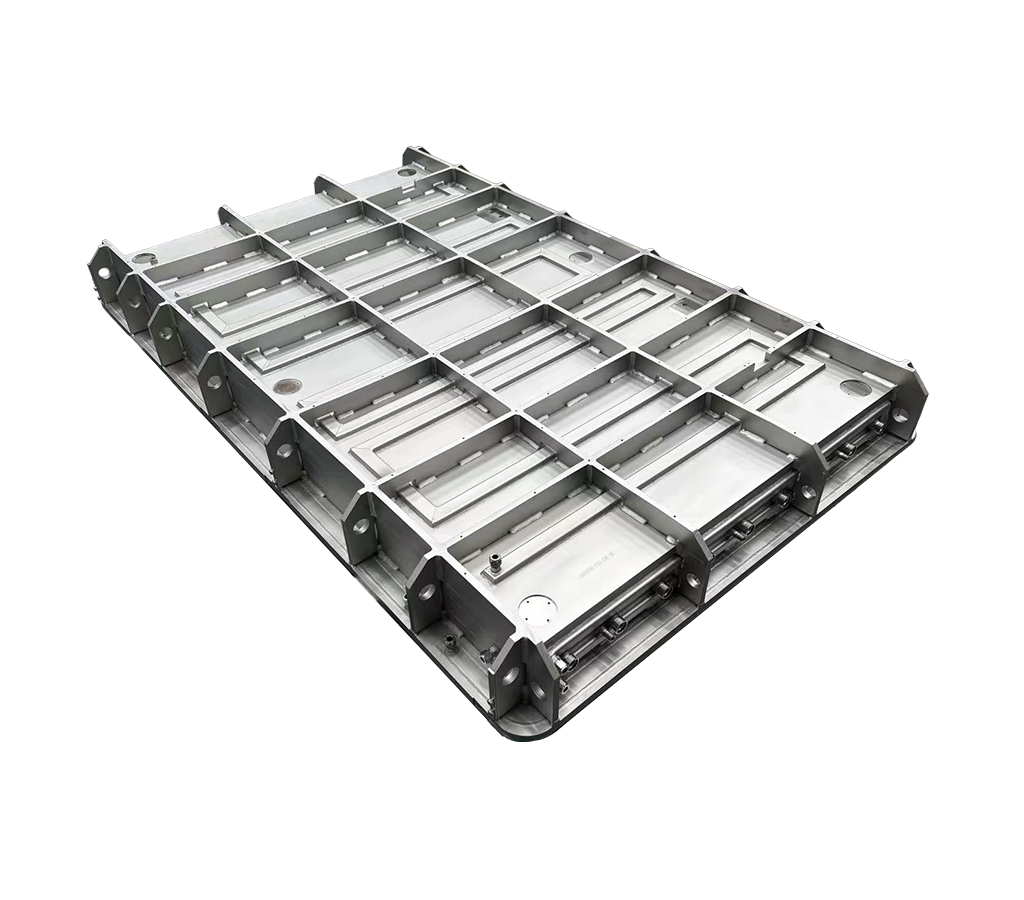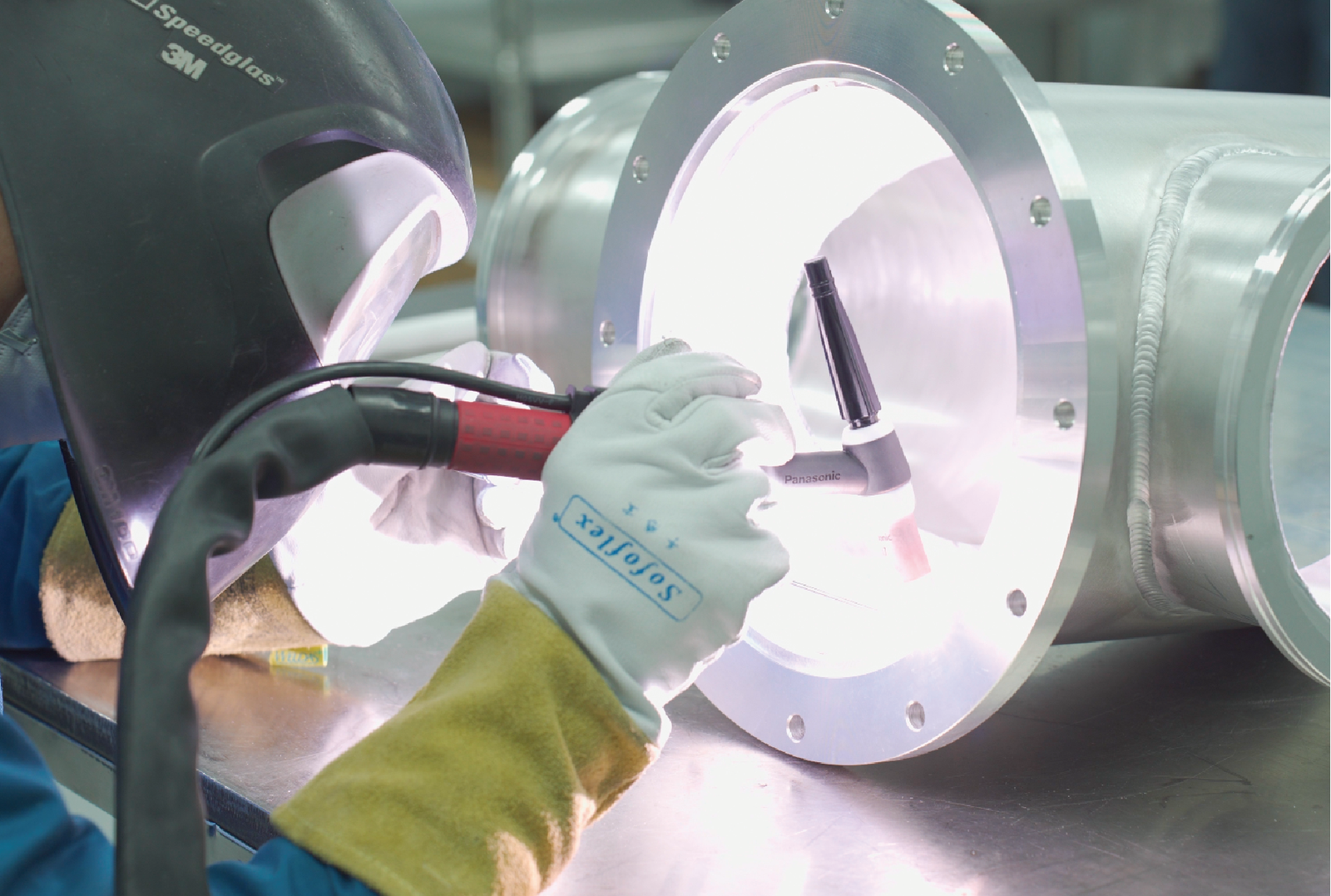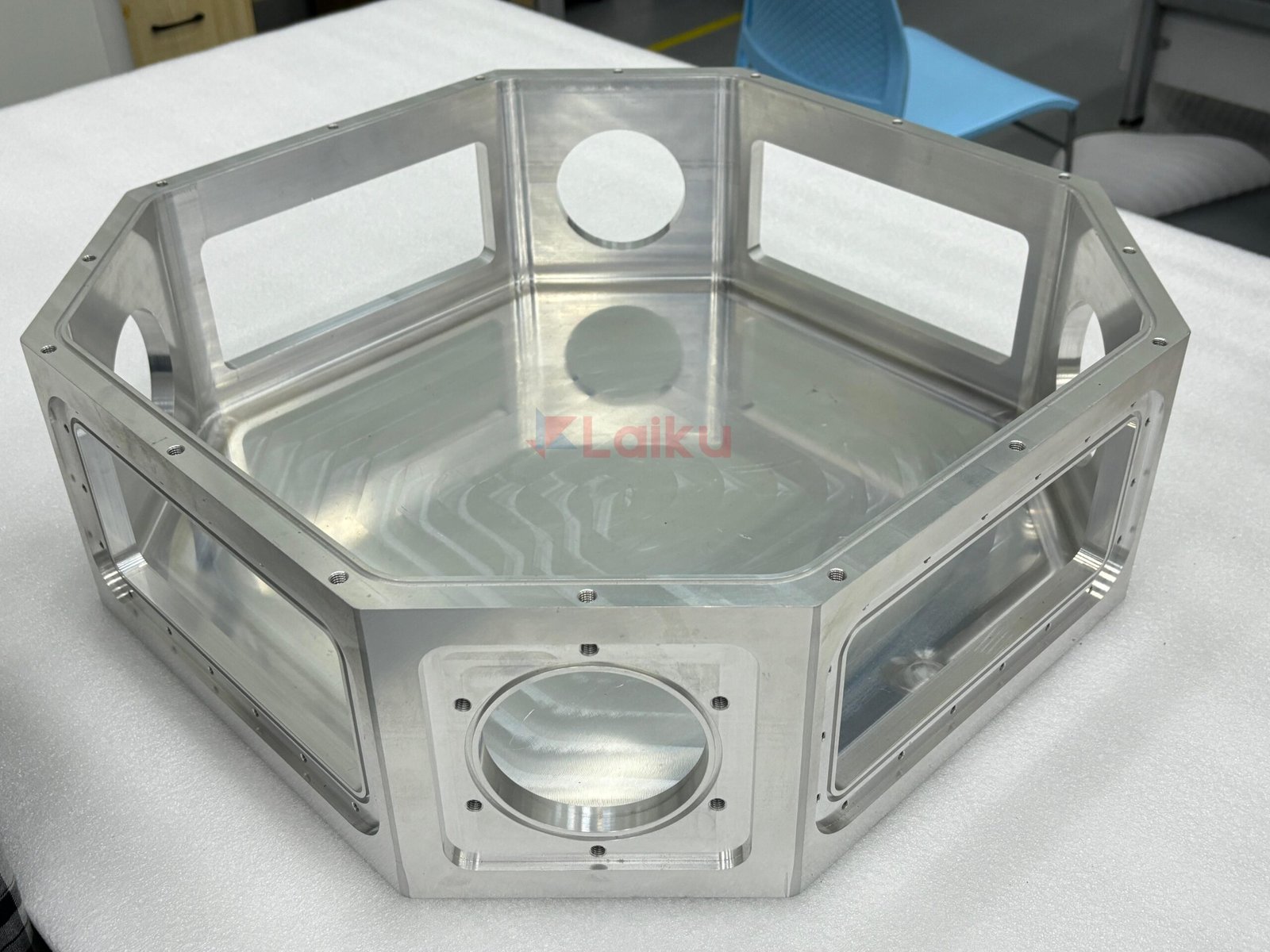

Precision and purity are crucial in nanomanufacturing. Vacuum environments play a key role by removing dust and oxygen, preventing contamination, and providing a stable, controlled setting.
Vacuum technology maintains purity and prevents interference, allowing high-fidelity material reactions. It ensures efficient nanomaterial preparation and supports innovation across diverse fields.
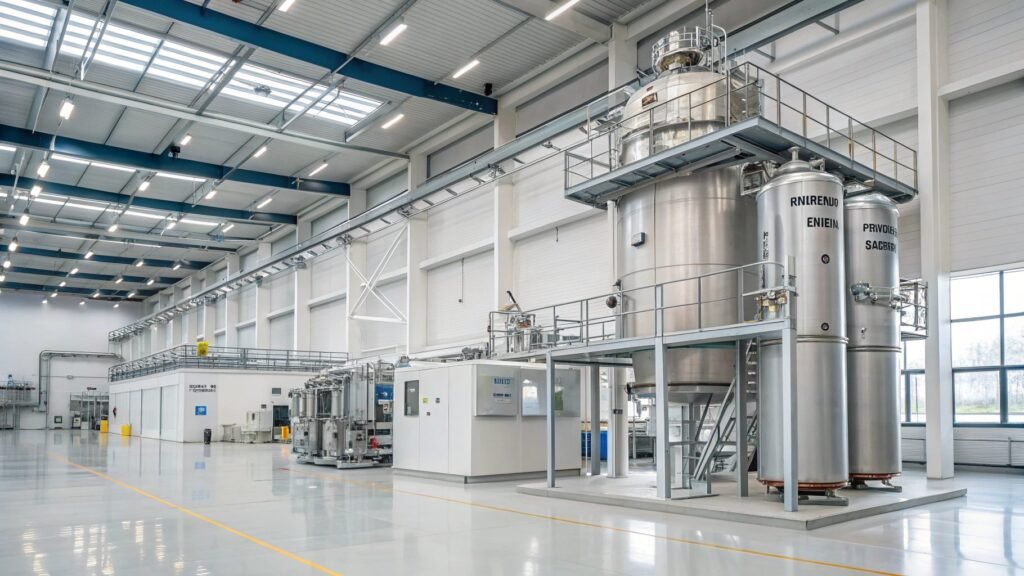
Achieving precision and purity in nanotechnology is essential. A vacuum environment ensures material purity and isolates external interference, offering unmatched control in experiments. This enables reactants to interact undisturbed, maintaining high material quality. Prompt intervention by vacuum systems preserves process integrity when issues arise. Vacuum technology enhances efficiency in nanomaterial preparation, reducing the time to scale from lab to production. As demand for advanced technology grows, vacuum technology will remain crucial, fostering innovations in electronics and biomedicine.
How Does a Vacuum Environment Maintain Material Purity?
The purity of materials is vital in nanotechnology, and vacuum environments play a significant role in achieving this by eliminating contaminants.
A vacuum environment ensures purity by removing contaminants, allowing stable and uncontaminated reactions, and enhancing material quality and reliability.
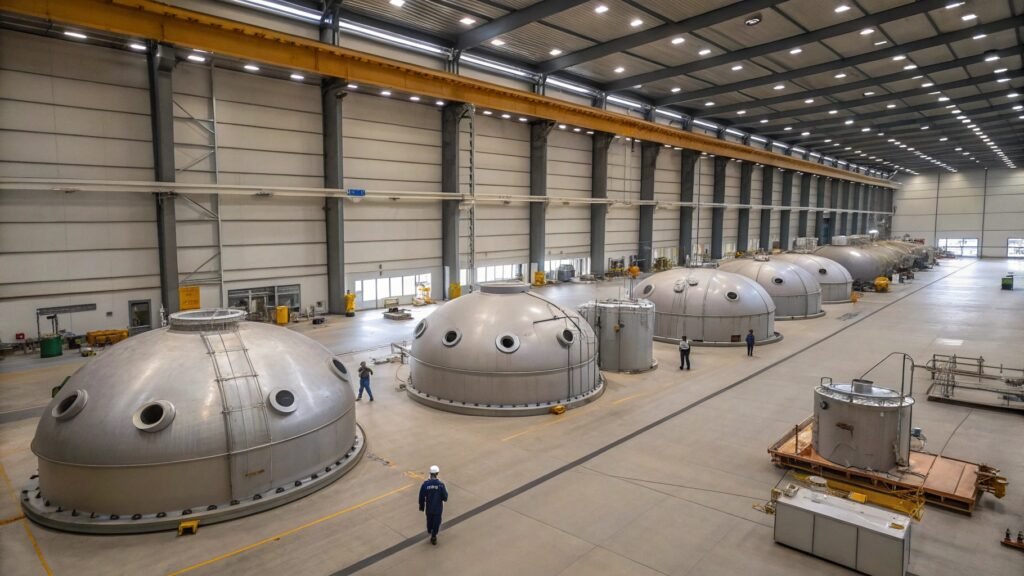
Maintaining material purity in nanotechnology is crucial for success. Vacuum environments achieve this by removing dust and oxygen, thus preventing contamination. This uncontaminated setting allows precise reactions, ensuring the integrity of the materials. Such conditions also mean that experiments can proceed without external interference, providing high-fidelity results. When challenges arise, vacuum systems quickly address them, safeguarding the production process. This contributes to more efficient nanomaterial production, paving the way for advanced applications in various fields.
Why Is Vacuum Technology Essential for Efficient Production?
Efficiency in nanomaterial production depends on stable and reliable conditions, which vacuum technology provides, facilitating quicker advancements.
Vacuum technology enhances production efficiency by creating stable conditions, reducing transition time from experimentation to large-scale production, and maintaining high quality.
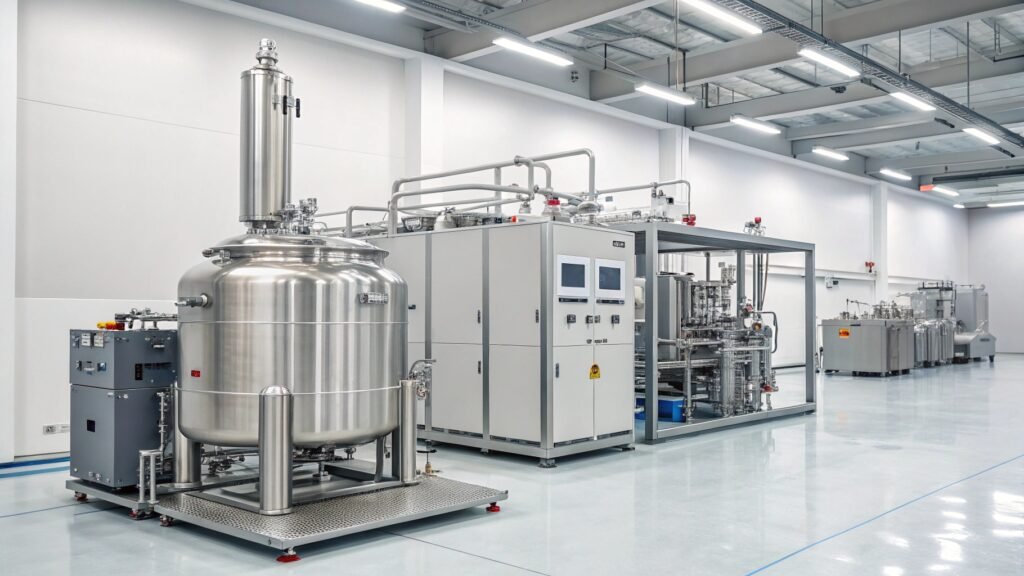
Efficient production of nanomaterials demands stable, reliable environments. Vacuum technology provides such conditions, minimizing contamination and ensuring consistent quality. This stability allows processes to be scaled quickly from lab to industry, meeting the rising demand for high-quality nanomaterials. The rapid transition supports significant technological advancements, fostering developments across electronics and medicine. Vacuum technology's role in boosting efficiency aids in the swift implementation of new innovations, benefiting a broad array of applications.
Conclusion
Vacuum technology is essential in nanotechnology, ensuring purity, enhancing efficiency, and supporting innovations across various industries.