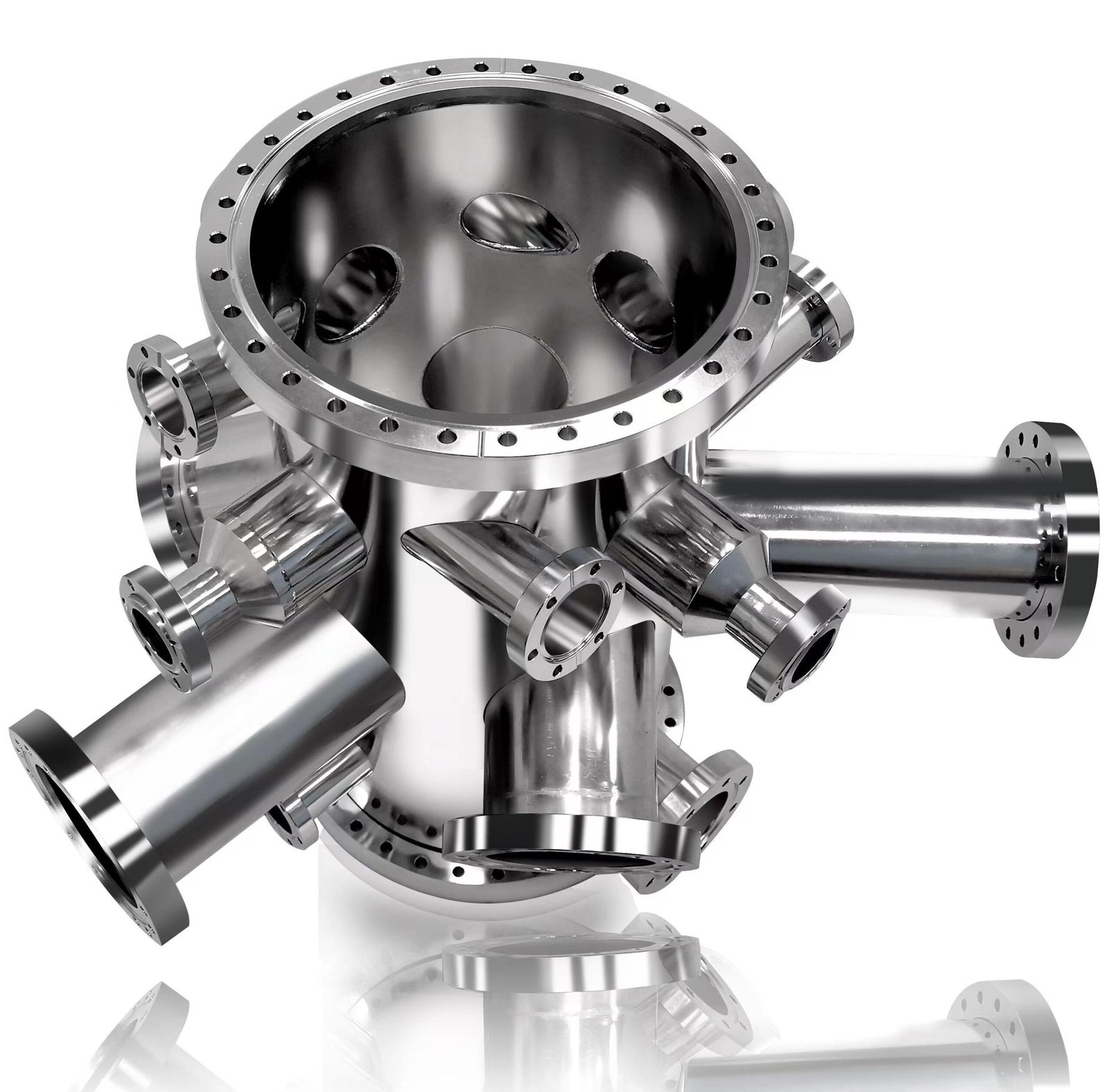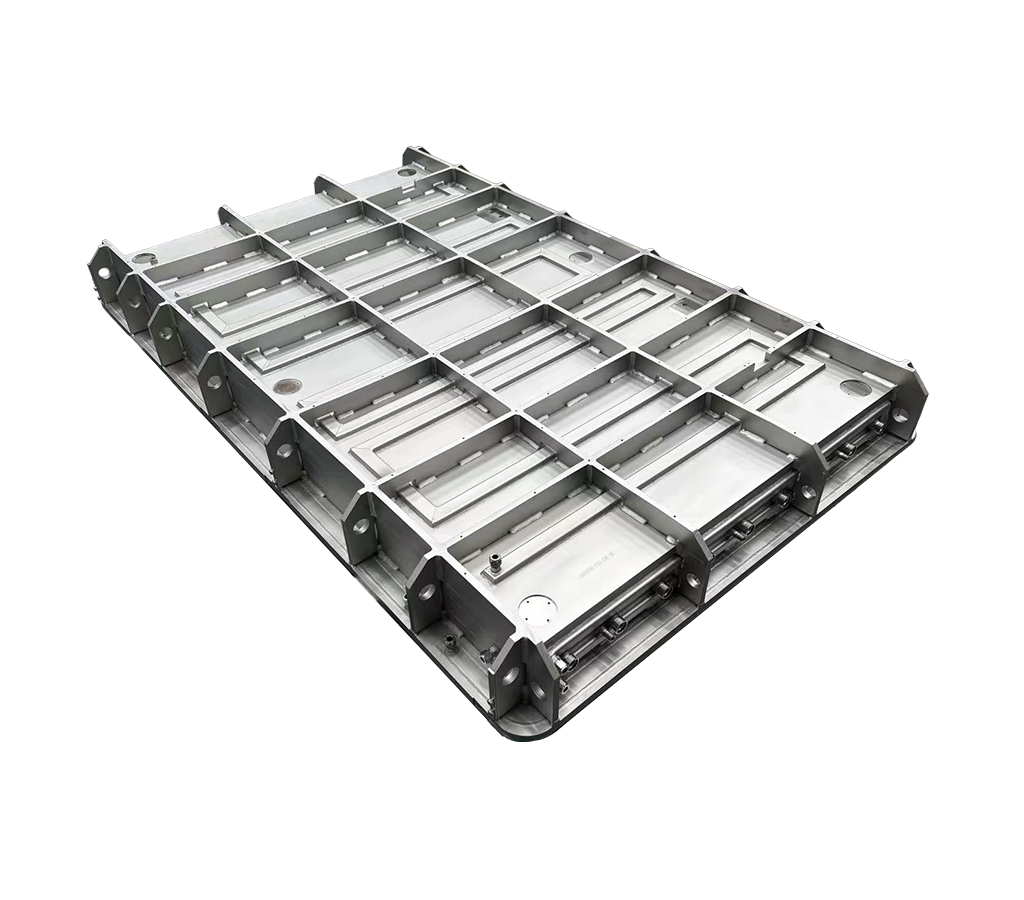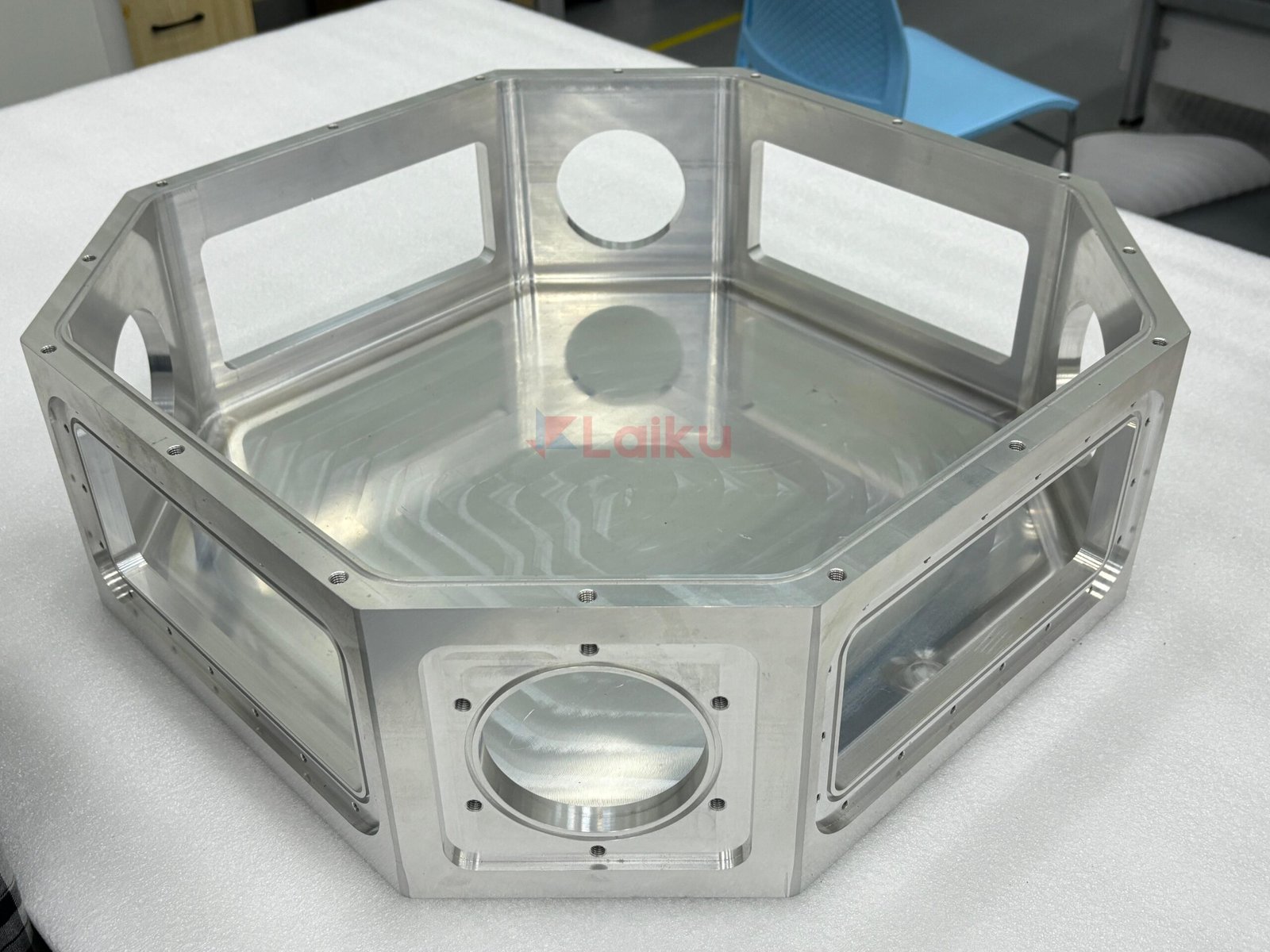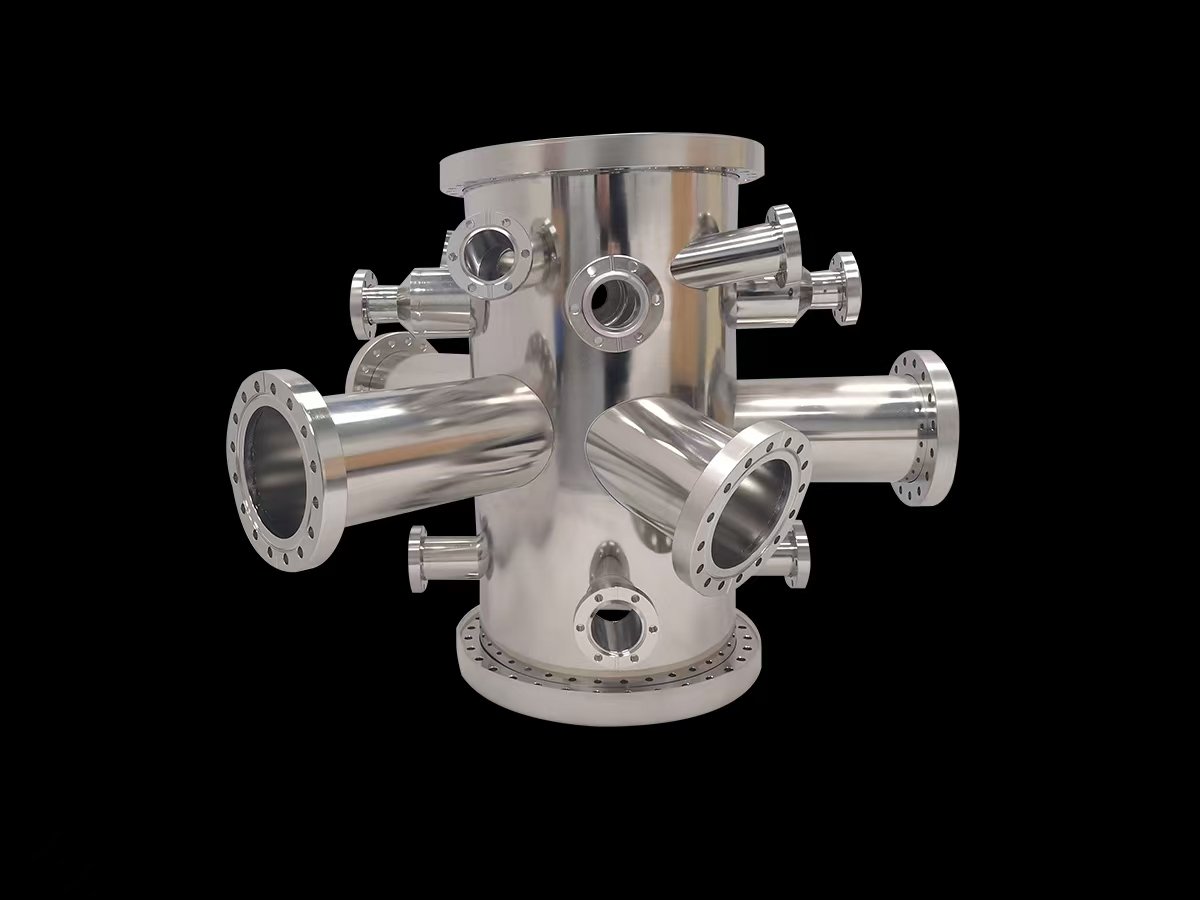

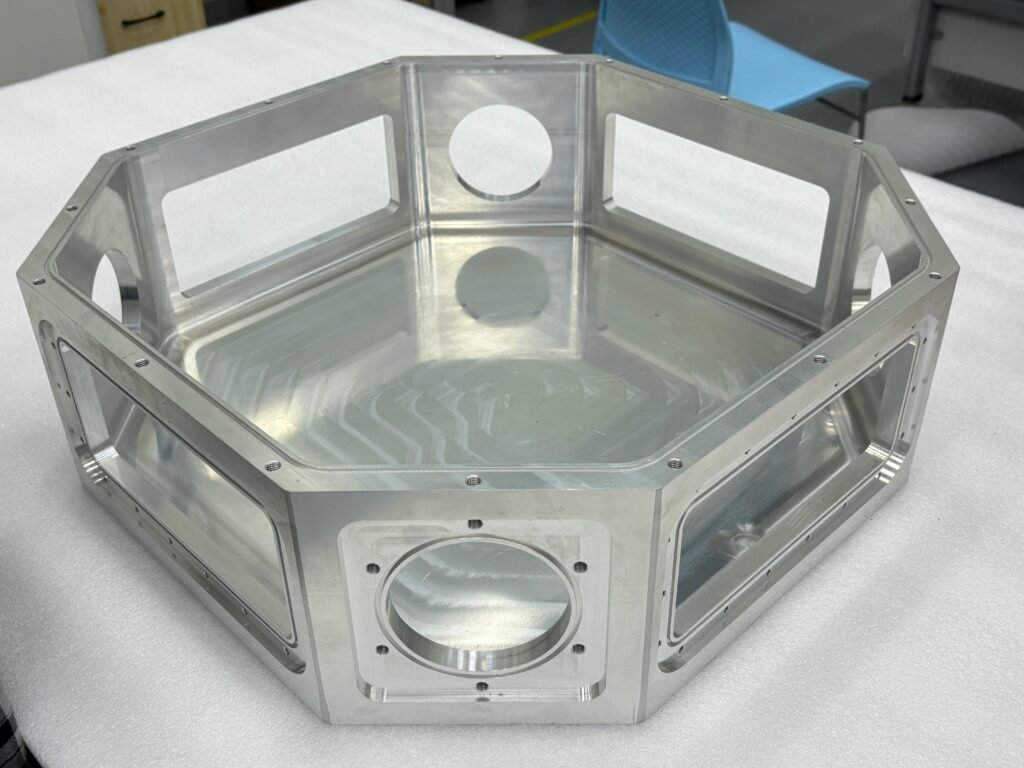
Metal vacuum chambers are undoubtedly highly favourable to maintain internal temperature, low outgassing rates and mechanical stability. But with different metal choices like stainless steel and aluminum that are industry standards, when reaching deep vacuum levels, results can be different, which directly impacts the target vacuum levels.
In short, stainless steel is suitable for high to ultra-high vacuum and is cost-effective in the long run. While aluminum favours rapid thermal cycling, lower weight, and easier machining for complex chamber designs at a relatively lower price.
Let's compare both the materials and assess them to make an informed choice for optimal performance and cost-efficiency.
Stainless Steel vs Aluminium-- Material overview and Outgassing Rates
A key metric when evaluating vacuum chamber efficiency is the Outgassing Rate (q). It refers to the rate at which trapped gases are released from a material's surface and bulk interior into the vacuum chamber. Lower outgassing rates are favourable for vacuum systems and maintain their efficiency and pressure stability.
Stainless steel offers a lower outgassing rate and is suitable for Ultra-High Vacuum (UHV) applications, often preferred because it can withstand high-temperature "bake-outs" (up to 450°C) to achieve pressures below 1.33 × 10⁻⁷ Pa.
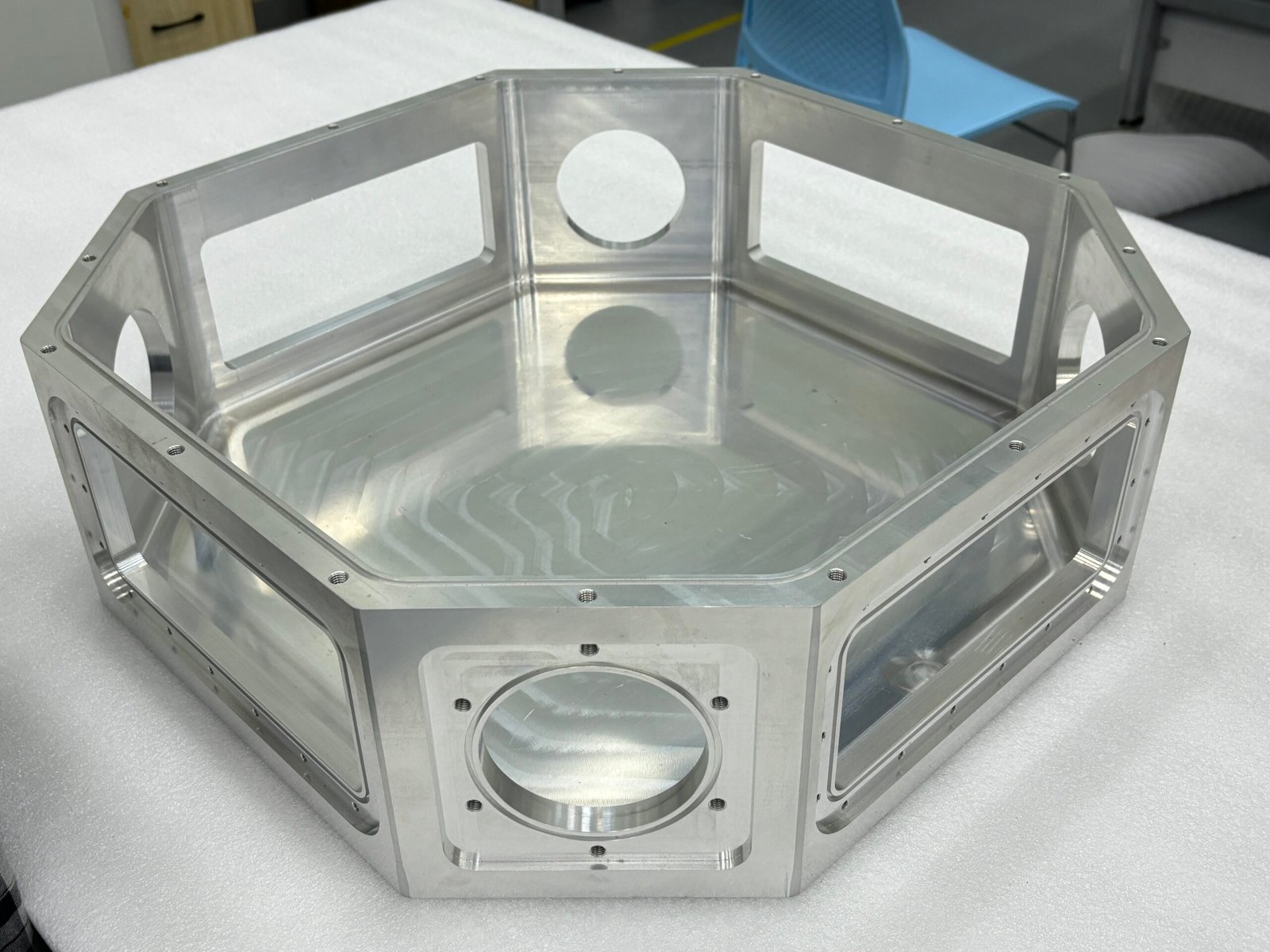
While Aluminum outgasses more than baked stainless steel initially, specialized treatments (like vacuum-firing or specific coatings) can bring its performance close to steel. However, because aluminum softens at high temperatures, you cannot "bake" it as aggressively as steel to force out impurities.
Considerations for Vacuum Chamber Performance and Cost
Thermal Control
Aluminum is highly efficient for rapid thermal cycling because its thermal conductivity is up to fifteen times greater than stainless steel. This rapid heat transfer ensures a completely uniform temperature across the vessel walls, eliminating localized hot or cold spots.
Furthermore, its low volumetric heat capacity requires minimal energy to induce temperature changes, removing thermal lag. Designers must simply account for aluminum's high thermal expansion rate at junctions with dissimilar metals to prevent joint stress.
Magnetic & Radiation Considerations
For sensitive electron microscopy or high-energy physics, aluminum offers superior, uncompromised performance because it is entirely non-magnetic. Its low atomic number (Z=13) also minimizes secondary electron scatter and x-ray bremsstrahlung generation under radiation bombardment.
Conversely, while austenitic stainless steels are initially non-magnetic, they can develop localized magnetic fields during machining or welding. This residual magnetism can deflect precise particle beams, making aluminum the ideal choice for low-background environments.
Leak-Tight Vacuum Welding
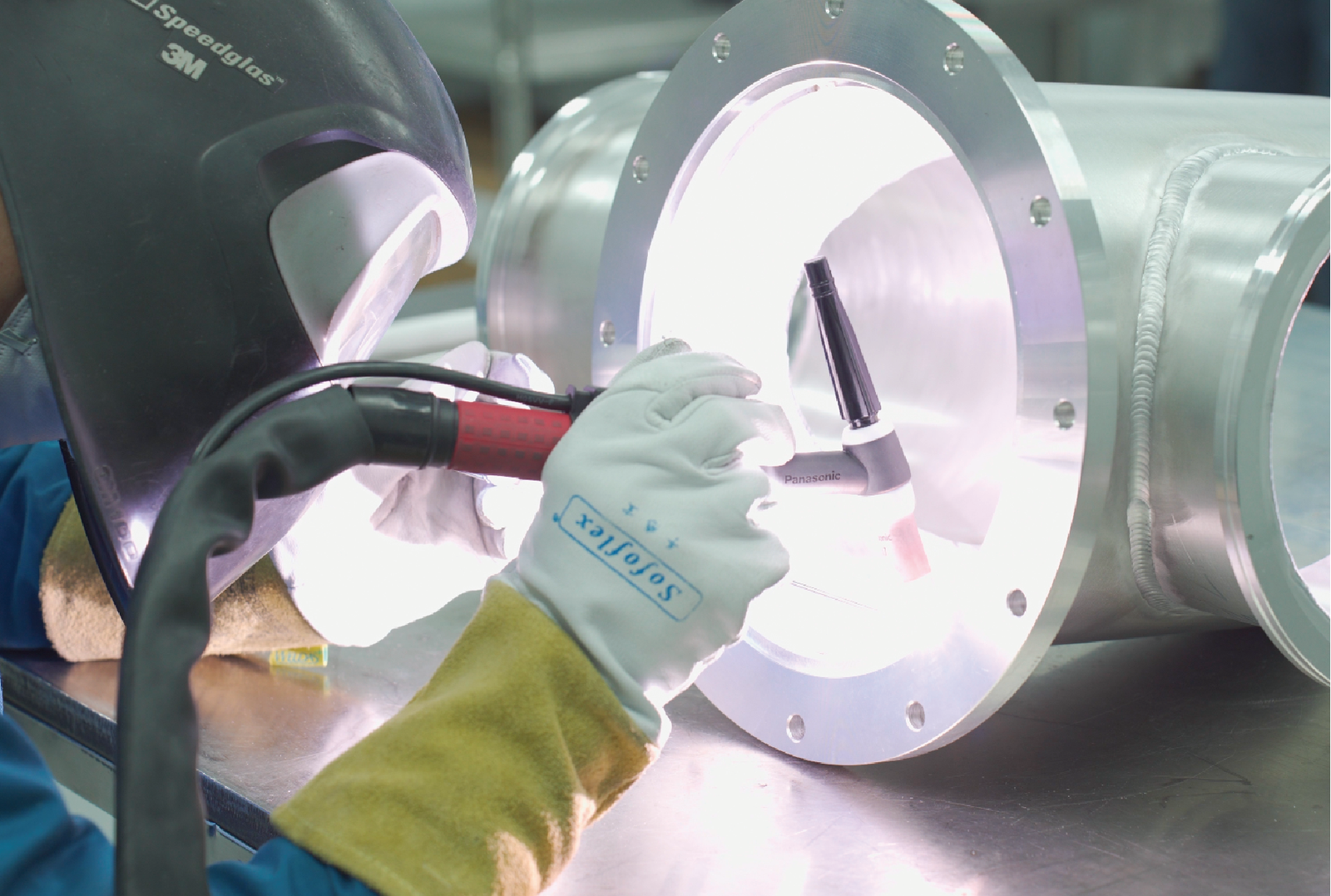
Achieving a hermetic, ultra-high vacuum seal is significantly easier with stainless steel, which is highly forgiving and yields dense, low-porosity TIG welds. Aluminum presents severe welding challenges due to its high thermal dissipation and a rapid native oxide layer that traps moisture. Welding aluminum requires specialized AC TIG equipment, rigorous pre-cleaning, and advanced skill to prevent hot cracking and microscopic porosity. Without precise execution, these hidden weld defects create persistent virtual leaks that ruin vacuum performance.
Ease of Cleaning
Stainless steel is exceptionally rugged: It allows technicians to use harsh acids, strong alkalines, aggressive solvents, and high-temperature bake-outs without damaging the surface. For vacuum systems that demand frequent, deep decontamination cycles, stainless steel provides a far more durable and low-maintenance interface.
Aluminum is chemically sensitive, meaning its protective oxide layer can be easily pitted or stripped by aggressive cleaning agents. Consequently, aluminum maintenance requires specialized, pH-neutral detergents or mild solvents.
Contamination
Contamination in vacuum systems is driven by outgassing, where stainless steel holds a distinct advantage due to its dense chromium oxide layer. This surface profile exhibits incredibly low outgassing rates for water vapor and hydrogen, especially after a standard bake-out. While aluminum also performs well, its porous native oxide layer easily adsorbs atmospheric moisture whenever the chamber is vented.

Machining & Weight
Weighing roughly one-third as much as stainless steel. Its soft composition makes it exceptionally machinable, allowing CNC tools to cut complex geometries at high speeds with minimal wear.
Stainless steel is dense, heavy, and prone to work-hardening during production, requiring slower cutting speeds and specialized tooling. This makes aluminum the clear winner when weight limitations or intricate internal machining are priorities.
Cost
Aluminum delivers a lower upfront cost for highly complex, intricately machined chamber designs. But stainless steel, though with a higher upfront cost initially, remains more cost-effective in the long run. Its durability, lower maintenance and chemical resilience can help you save a considerable amount.
Performance & Technical Comparison At a Glance
| Feature | Stainless Steel (SS) | Aluminum (Al) |
|---|---|---|
| Target Vacuum Range | High Vacuum (HV) to Ultra-High Vacuum (UHV). | Low Vacuum to High Vacuum (HV); specialized alloys for UHV. |
| Outgassing Rate | Naturally very low; excellent right out of the box for unbaked systems. | Higher initially due to porous surface oxides; drops significantly after low-temp bakeouts. |
| Thermal Conductivity | Low; prone to uneven heating and local cold spots. | Exceptionally high; bakes out 10x faster and more uniformly. |
| Structural Strength | Superior structural rigidity; maintains strict tolerances during high-temp bakeouts. | Lower yield strength; requires thicker chamber walls to withstand atmospheric pressure. |
Conclusion: Which one should you choose -- Stainless Steel vs Aluminum?
Vacuum chamber selection has a direct relation to your target vacuum level. So, you can choose:
-
Choose Stainless Steel: if your project demands a UHV/XHV environment < 1.33 × 10⁻⁷ Pa, requires aggressive high-temperature bakeouts >250°C, involves highly corrosive gases, or relies completely on off-the-shelf ConFlat hardware.
-
Choose Aluminum: if your project requires frequent temperature cycling, has strict weight limits (e.g., portable, aerospace, or optical tables), or demands intricate internal machining where you want to save 10% to 20% on overall fabrication costs.
FAQs
Q:Is aluminum better than stainless steel for a vacuum chamber?
A:Material selection is directly based on the target vacuum level. Stainless steel (typically 304 or 316L) remains the industry standard for extreme conditions and Ultra-High Vacuum (UHV) systems, while Aluminum (such as 6061-T6) excels in cost efficiency, weight-sensitive applications, and fast thermal cycling.
Q:How much does vacuum chamber cost?
A:The cost of a vacuum chamber depends on various factors such as size, configuration, number of chambers, durability and maintenance. All the factors when considered, aluminum costs 10-20% lesser. Stainless steel vacuum chambers with higher initial price can benefit in longer run.
Q:Why is aluminum better for rapid thermal cycling?
A:Aluminum has superior thermal conductivity and low volumetric heat capacity, which is the core reason for rapid thermal cycling. Because aluminum requires very little thermal energy to heat up or cool down, it eliminates thermal lag. This rapid energy transfer ensures a completely uniform temperature distribution.
Q:Can I use standard stainless steel pumps with an aluminum chamber?
A:Yes, you can absolutely use standard stainless steel pumps with an aluminum chamber. This is a highly common configuration in industrial and laboratory vacuum systems. However, Direct bolting of different metals can cause galvanic corrosion or leaks due to different thermal expansion rates.