
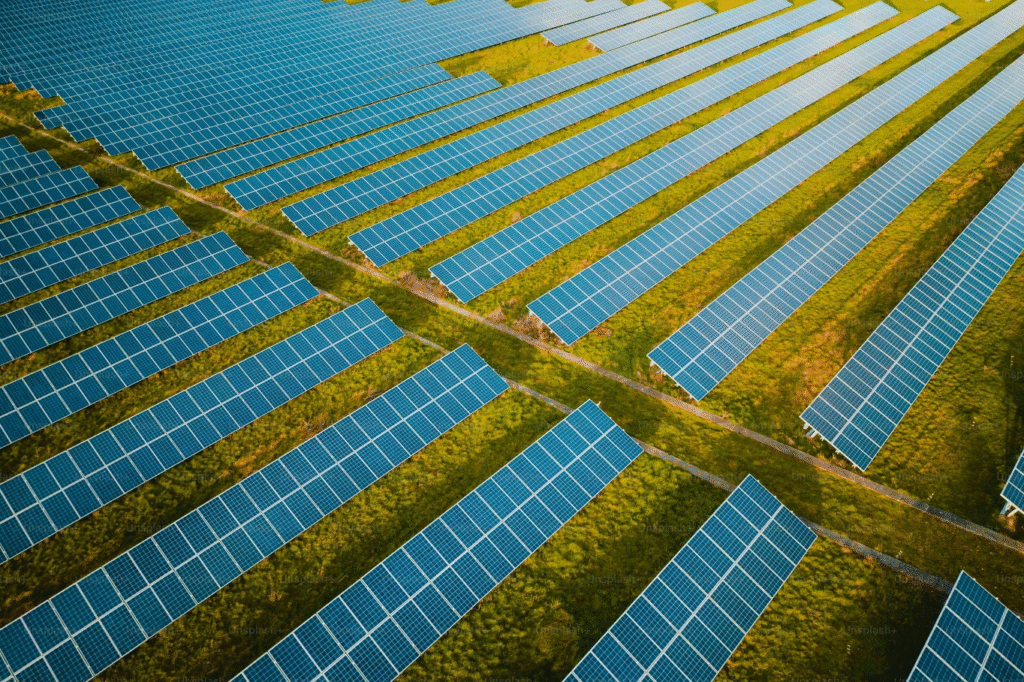
Energy is at the center of every modern industry, but the way it is produced and used is changing rapidly. Rising costs, environmental concerns, and the need for long-term reliability have pushed businesses to look beyond conventional power sources. Solar power systems have gradually become a practical and widely adopted solution, offering clean electricity with relatively low operating costs. From small commercial setups to large industrial installations, solar energy is now part of everyday operations. In this blog, we will explore how solar power systems work, the different types available, their components, real-world applications, and the challenges that come with their use.
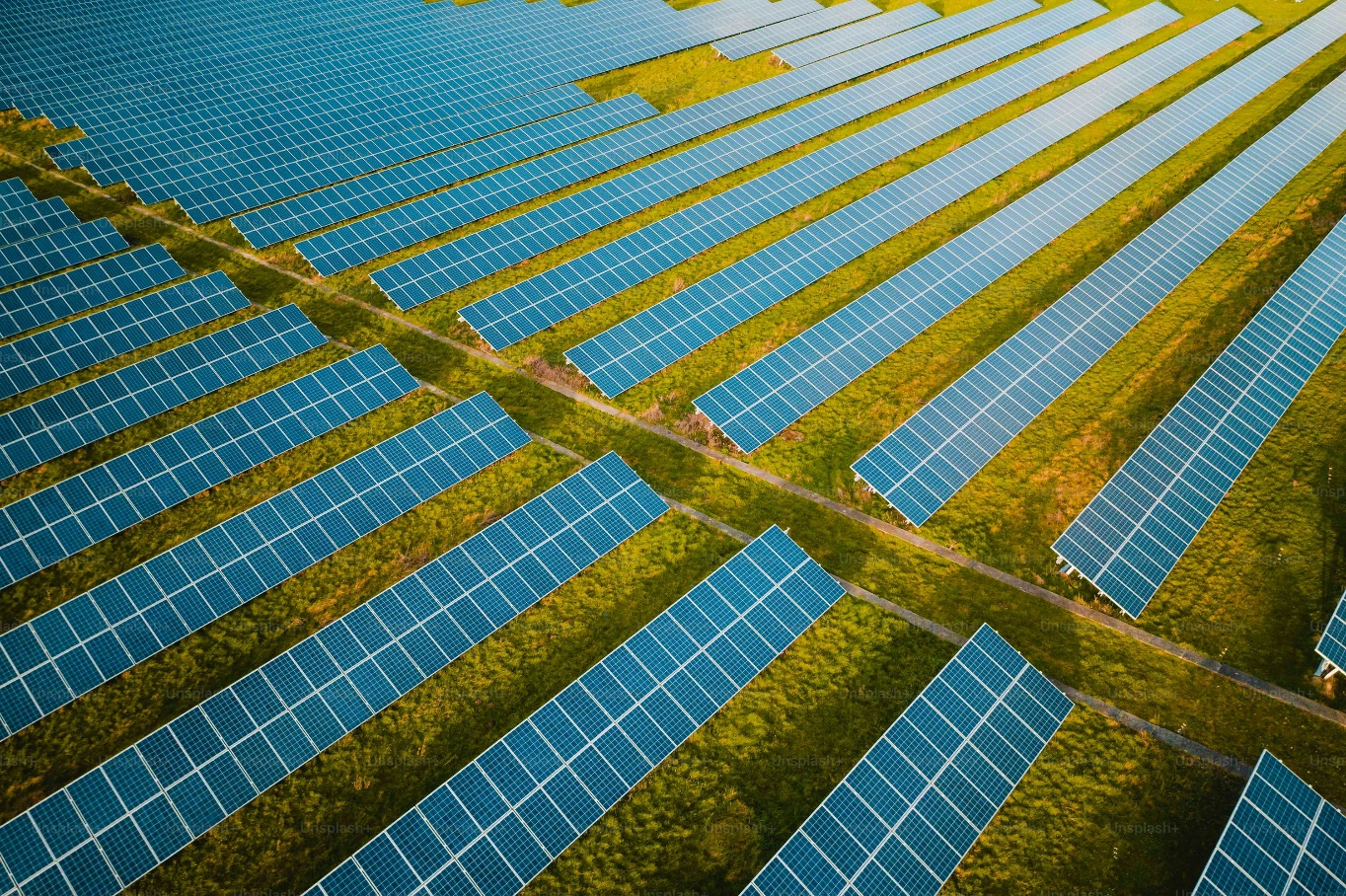
Image source: https://unsplash.com/photos/an-aerial-view-of-a-solar-power-plant-cVpYIxEIqCo
1. What Is a Solar Power System?
A solar power system is a technology designed to convert sunlight into electricity using photovoltaic (PV) panels. These systems capture solar radiation and convert it into electrical energy without combustion, moving parts, or fuel consumption.
Solar systems can be categorized based on how they interact with the electrical grid:
- Grid-Tied Systems: Connected to the utility grid and commonly used in urban areas
- Off-Grid Systems: Operate independently and rely on battery storage
- Hybrid Systems: Combine grid connection with battery backup
The flexibility of these configurations allows solar systems to be used in a wide range of environments, from remote locations to high demand industrial facilities.
2. How Solar Power Systems Work
The working principle of a solar power system is based on the photovoltaic effect. When sunlight strikes the surface of a solar panel, it excites electrons inside the cells, generating direct current (DC) electricity.
However, most electrical systems require alternating current (AC). This is where the inverter plays a critical role by converting DC into AC, making the electricity usable.
The process can be summarized as follows:
- Sunlight is absorbed by solar panels
- Panels generate DC electricity
- Inverter converts DC into AC
- Electricity is distributed for use, stored, or exported
In grid-connected systems, excess electricity can be fed back into the grid, while in battery-based systems, unused energy is stored for later use, especially during nighttime or outages.
3. Types of Solar Power Systems
Understanding the different types of solar systems helps in selecting the right configuration:
- Grid-Tied Systems: These are the most common systems used in commercial and residential applications. They are cost-effective because they do not require batteries and rely on the grid when solar power is insufficient.
- Off-Grid Systems: Used in remote areas where grid access is not available. These systems depend entirely on solar panels and battery storage.
- Hybrid Systems: These systems combine the advantages of both grid-tied and off-grid setups. They provide flexibility, backup power, and better energy management.
Each type has its own advantages depending on energy requirements, location, and budget.
4. Key Components of a Solar Power System
A solar power system consists of several interconnected components:
- Solar Panels: The primary component responsible for capturing sunlight and generating electricity. Their efficiency directly impacts system output.
- Inverter: Converts DC electricity into AC and ensures stable power supply.
- Mounting Structure: Provides mechanical support and ensures panels are positioned correctly for maximum sunlight exposure.
- Battery Storage: Stores excess energy for later use, especially useful in hybrid and off-grid systems.
- Charge Controller: Regulates the flow of electricity to prevent battery overcharging and improve system safety.
- Cables and Protection Devices: Ensure safe transmission of electricity and protect the system from faults such as overloads or short circuits.
5. Factors Affecting Solar System Performance
The performance of a solar power system depends on multiple factors:
- Sunlight Intensity: Regions with higher solar radiation generate more electricity.
- Panel Orientation and Tilt Angle: Correct alignment ensures maximum sunlight absorption throughout the day.
- Temperature Conditions: Although sunlight is necessary, excessive heat can reduce panel efficiency slightly.
- Dust and Environmental Conditions: Dust accumulation, pollution, and shading can significantly reduce output.
- System Design and Installation Quality: Poor installation or low-quality components can lead to performance losses.
Proper planning and regular maintenance help in minimizing these issues.
6. Advantages of Solar Power Systems
Solar energy offers several advantages that make it attractive for modern applications:
- Clean and Renewable Energy: Solar power does not produce emissions during operation, making it environmentally friendly.
- Lower Operational Costs: Once installed, there are no fuel expenses, and maintenance costs are relatively low.
- Long Lifespan: Solar panels can operate efficiently for decades with minimal degradation.
- Energy Independence: Reduces reliance on grid power and protects against electricity price fluctuations.
- Flexible Deployment: Can be installed on rooftops, open fields, or integrated into building structures.
7. Challenges / Limitations
Despite its benefits, solar power comes with certain challenges:
- High initial installation cost
- Dependence on weather and daylight availability
- Requirement of large installation areas for higher output
- Additional cost for battery storage systems
- Variability in power generation during the day
These limitations can be managed with proper system design and planning.
8. Solar Power vs Traditional Energy Sources
| Factor | Solar Power | Traditional Energy |
|---|---|---|
| Source | Renewable | Fossil fuels |
| Emissions | None during operation | High |
| Operating Cost | Low | High |
| Maintenance | Low | Moderate |
| Reliability | Weather-dependent | Stable |
| Initial Cost | Higher | Lower |
Solar power is gradually becoming a preferred option as technology improves and costs decrease.
9. Safety and Maintenance Considerations
Ensuring safety and long-term performance requires proper maintenance practices:
- Install systems according to electrical standards and guidelines
- Ensure proper grounding and protection systems
- Regularly clean panels to maintain efficiency
- Inspect wiring and connections for wear or damage
- Monitor system performance to detect faults early
Routine maintenance helps maintain efficiency and extends system lifespan.
Conclusion
Solar power systems have become an essential part of modern energy solutions, offering a balance between sustainability, cost efficiency, and reliability. As industries continue to grow and energy demands increase, solar power provides a practical way to meet these needs while reducing environmental impact. Although challenges such as initial cost and environmental dependence exist, the long-term benefits make solar energy a strong choice for both industrial and commercial applications.
At LAIKU, we understand the importance of stable and efficient systems in advanced industrial environments. Supporting technologies that contribute to reliability and performance remains a key focus as industries continue to evolve.
FAQs
Q: How long do solar panels last?
A: Most panels have a lifespan of 20–25 years with proper maintenance.
Q: Can solar systems work during cloudy weather?
A: Yes, but with reduced efficiency compared to sunny conditions.
Q: Is battery storage necessary?
A: It depends on whether backup power is required.
Q: How much maintenance is required?
A: Minimal, mainly cleaning and periodic inspections.
Q: Can solar power support industrial operations?
A: Yes, it is widely used to reduce operational costs and improve energy efficiency.


喷淋电极板-scaled-e1787042008638.jpg)