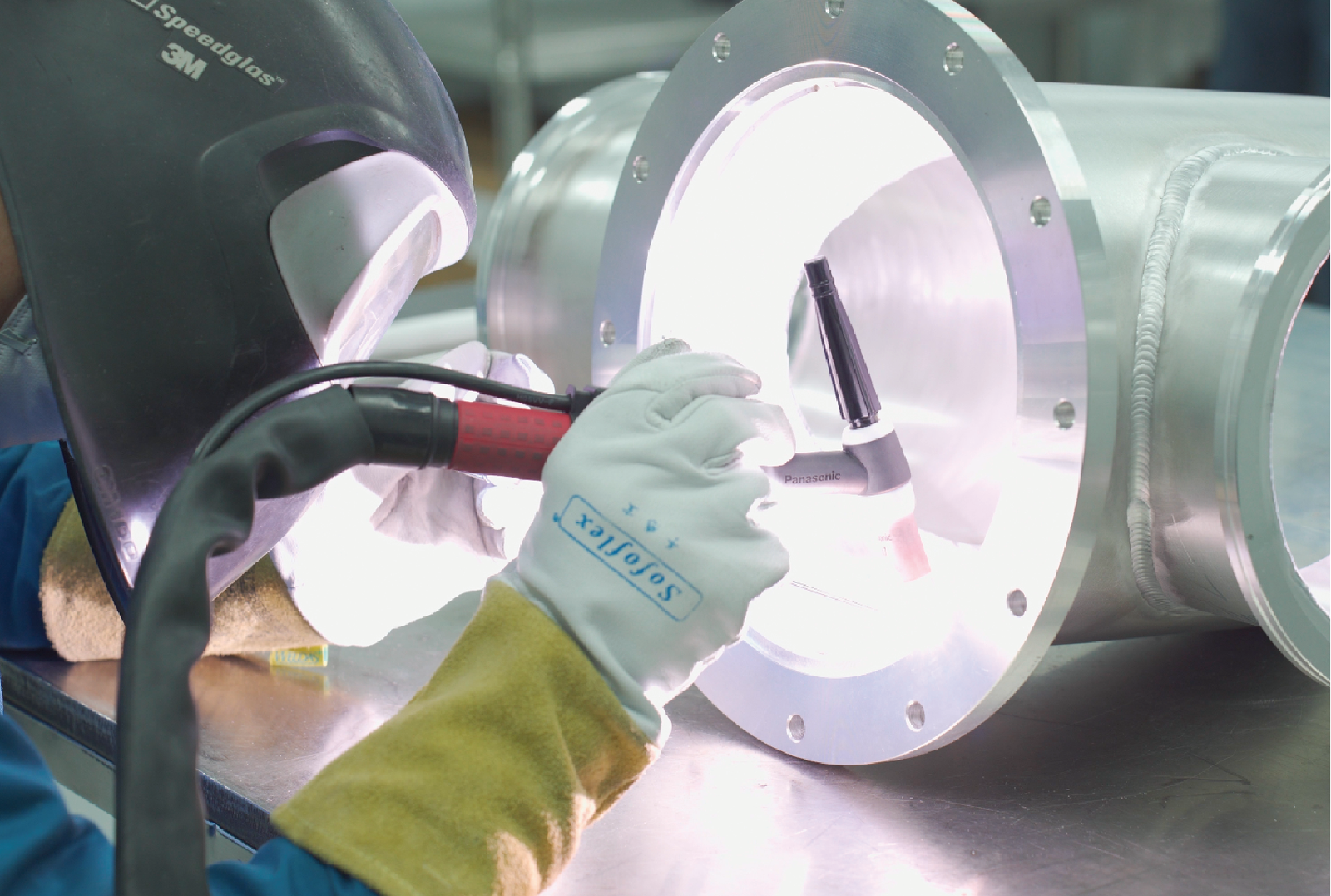

A vacuum chamber may look perfectly fine after welding. The ports are in place, the lid fits, and everything seems ready for testing. But when the sealing face is inspected, it turns out to be slightly uneven. Even a small change in flatness can affect how the lid seals, which means the surface may need to be machined again before the chamber can move forward.
This is why CNC precision machining comes up in vacuum chamber fabrication. It is not just about making components to exact dimensions. Machining helps manufacturers control the surfaces and connections that must fit together during assembly.
There are many different elements in a vacuum chamber that will require machining. Different faces, grooves for O-rings, and holes for mounting can be machined in their own unique way. Knowing how such parts are machined can really help when drawing drawings and thinking through the manufacturing process.
Why CNC Precision Machining Matters in Vacuum Chambers
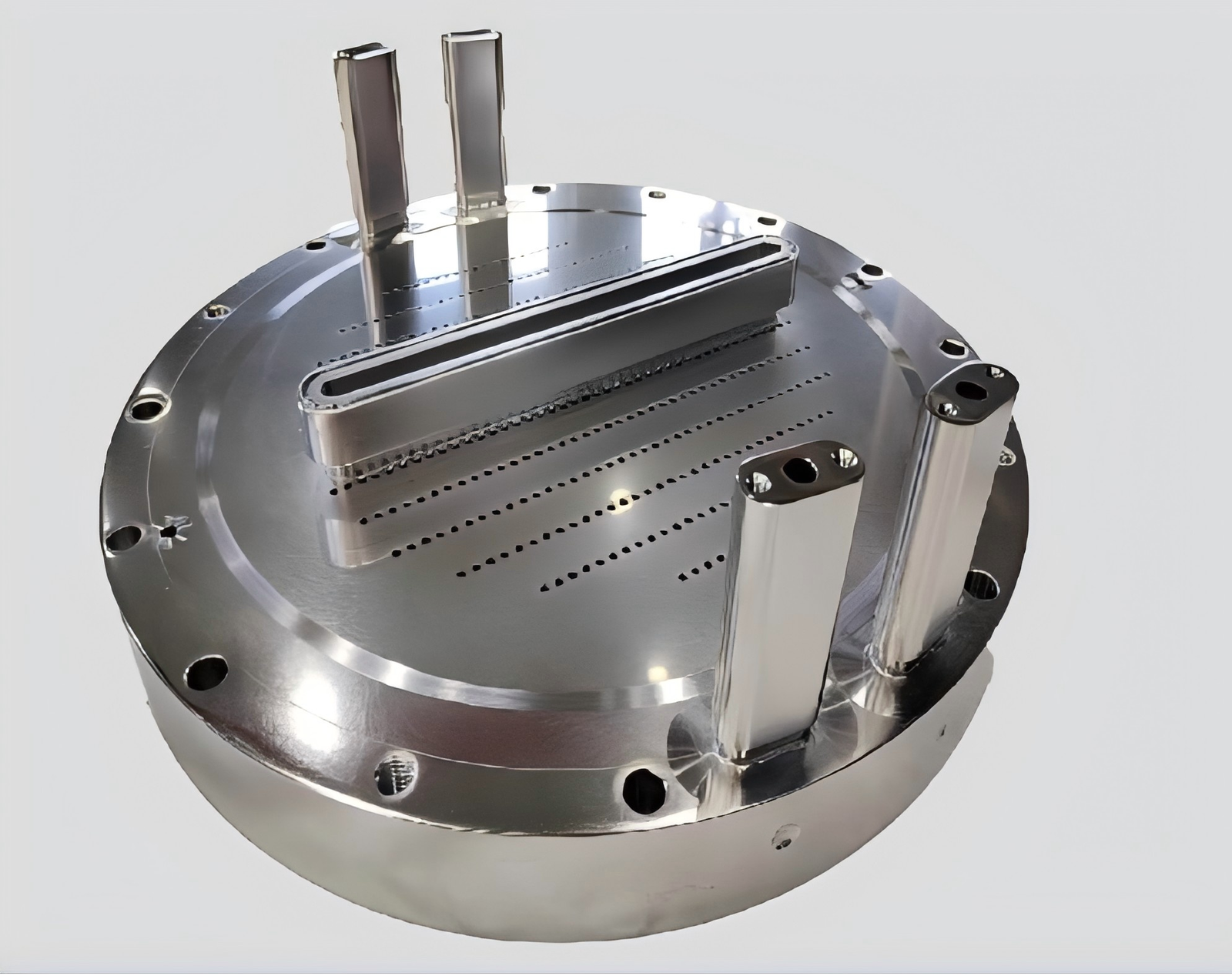
The components within the vacuum chamber need to fit correctly for the process to work as expected. For instance, consider the case of the flange and the lid. The flange needs to align itself with the part that it is joined to, while the lid needs to be aligned against the sealing surface.
Even slight dimensional problems can lead to issues at the time of assembly and even testing. CNC machining makes it possible for a manufacturer to machine such features based on pre-set dimensional and surface standards.
This also applies to replicating the machining process on multiple chambers that have been drawn in the same manner.
Machining accuracy is just one component of the equation. Even if the machining process produces a very accurate chamber, it could still face issues if there are leaking weld joints, contaminated surfaces, or seals that are not appropriate for the job.
This is the reason why CNC machining should be used together with welding, cleaning, inspections, and vacuum testing.
Where CNC Machining Is Used in Vacuum Chamber Manufacturing
You see, not all elements of the vacuum chamber require the same accuracy. Because some elements serve only as structural elements, while others can affect sealing, positioning, or equipment installation.
It is much easier to analyze the applications of these chambers by examining each element separately.
1. Machining Chamber Bodies and Lids
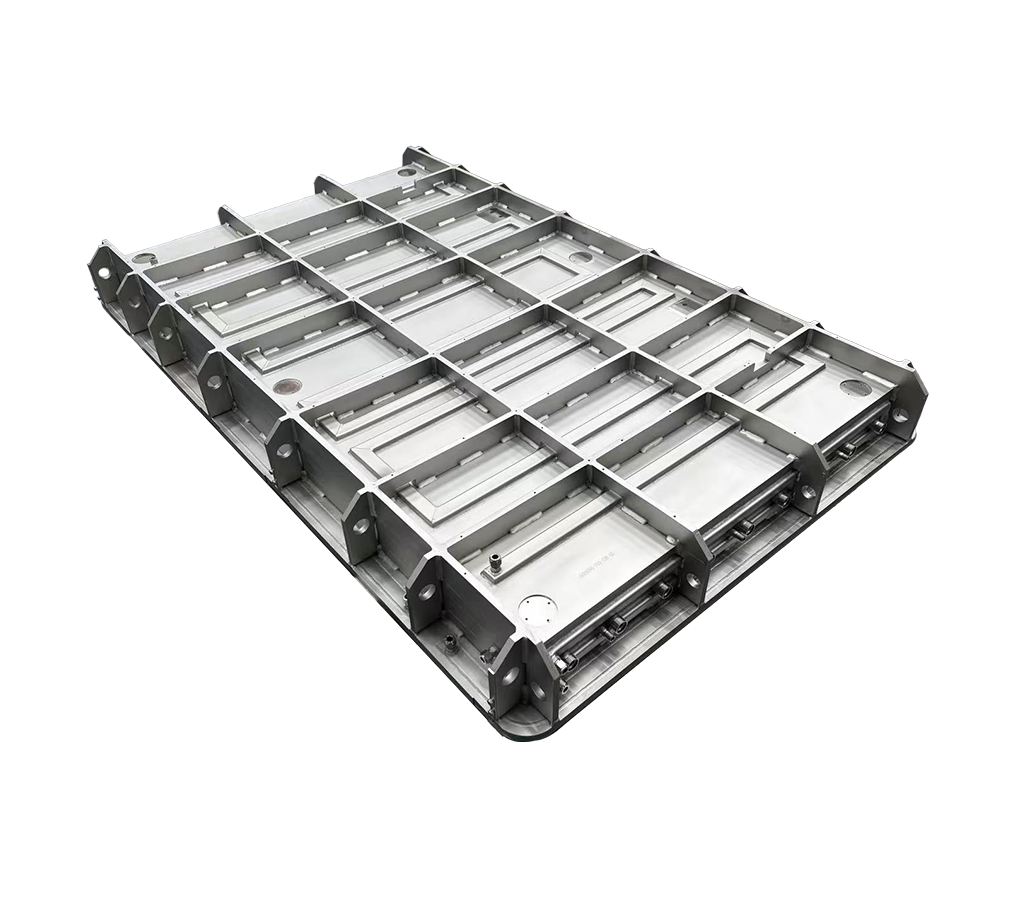
Chamber bodies and covers usually require machining in areas that include openings, interfaces and mounts. Depending on the design, CNC milling can be utilized for machining pockets or other recesses inside a chamber part.
Imagine a rectangular chamber with a removable top cover. Both the cover and the mating interface should satisfy the tolerance requirements provided by you in the drawing. If either mating surface is distorted or machined outside its specified tolerance, the cover may not sit properly.
In case of chamber parts produced through welding, certain surfaces may require machining afterwards.
2. Producing Flanges and Sealing Surfaces
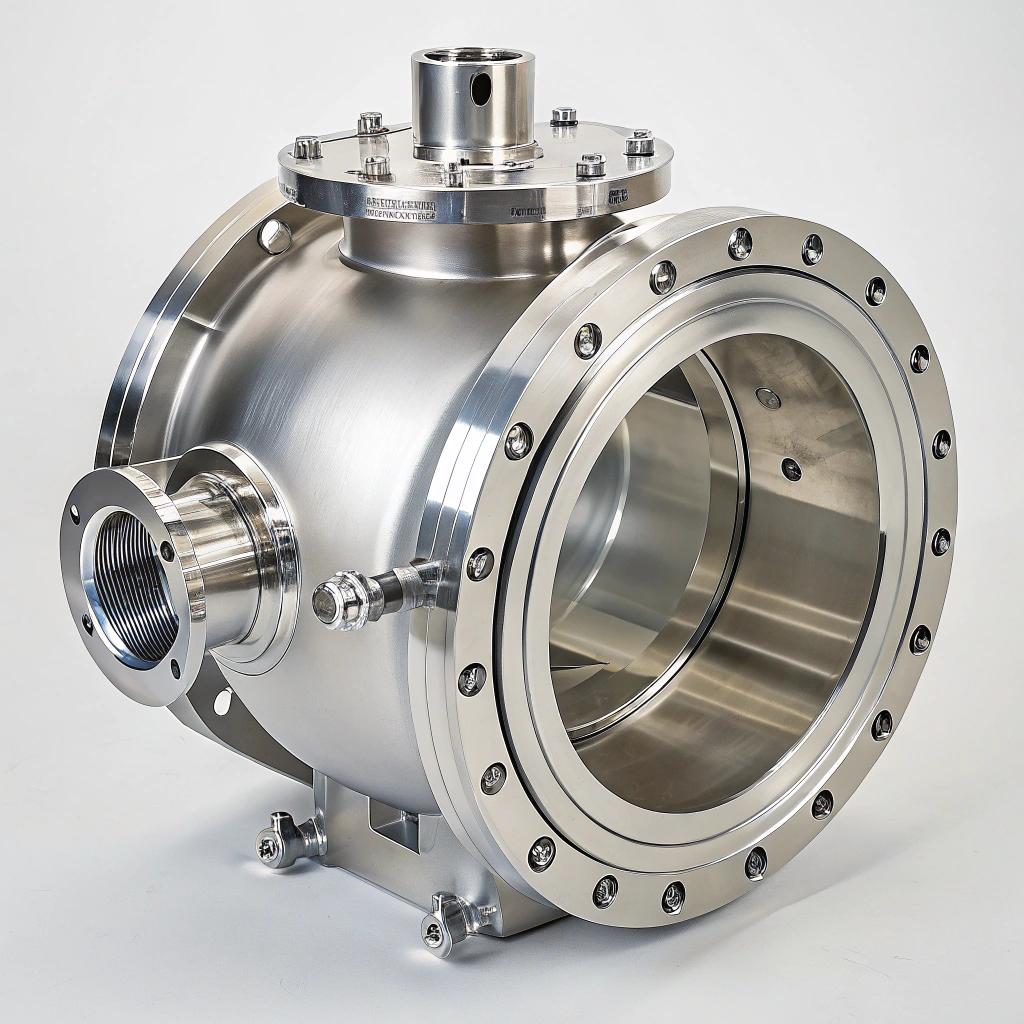
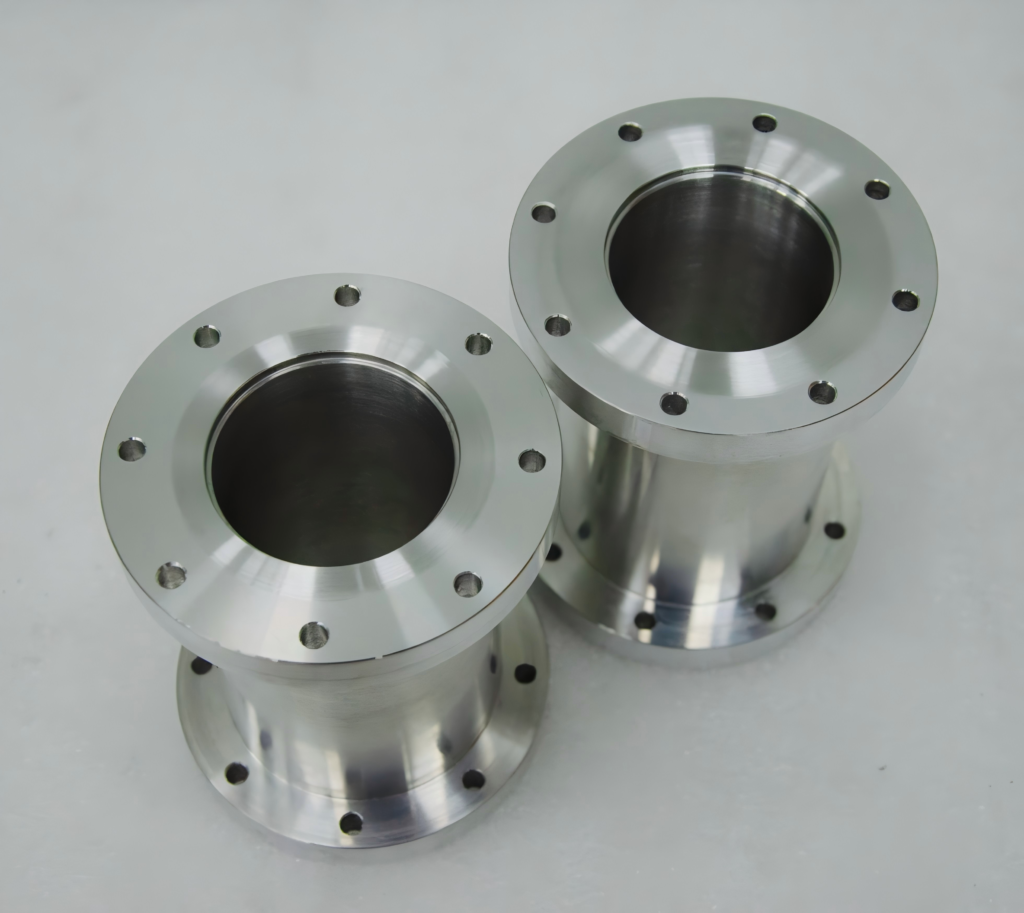
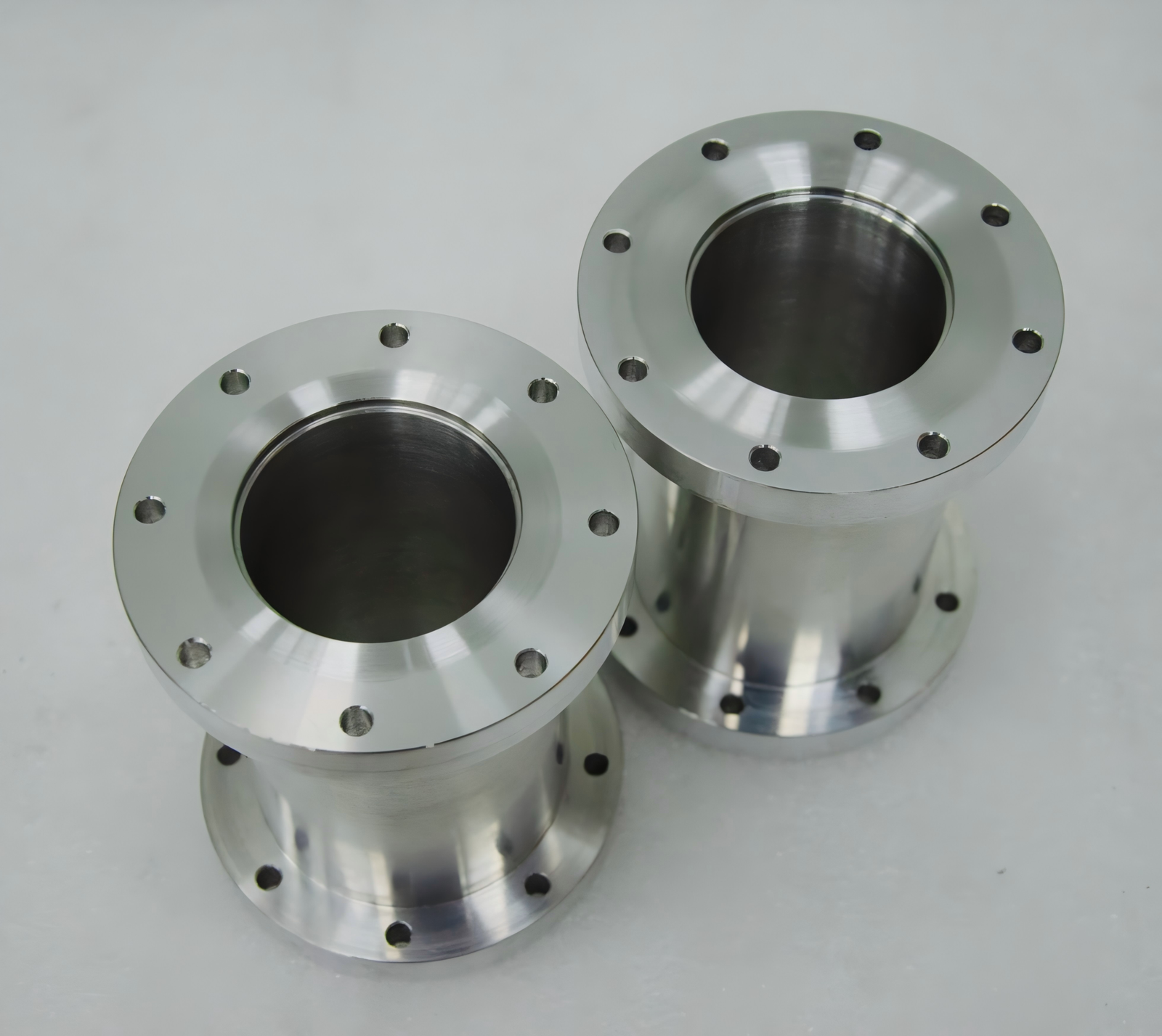
Flanges are among the most important components requiring precision machining. They connect the chamber to vacuum equipment such as pumps, valves, and viewports.
While an elastomer O-ring seal requires a correctly sized groove and appropriate mating surface, the metal-gasket seal has other requirements, such as geometry and condition of the sealing surface.
The two must not be confused.
It is common to machine flange surfaces using CNC turning if their geometries are round, while other geometries might require milling. In any case, the resulting surface must comply with the seal requirements.
A flange may appear smooth and yet be out of flatness and surface finish specifications.
3. Creating Ports and Feedthrough Openings
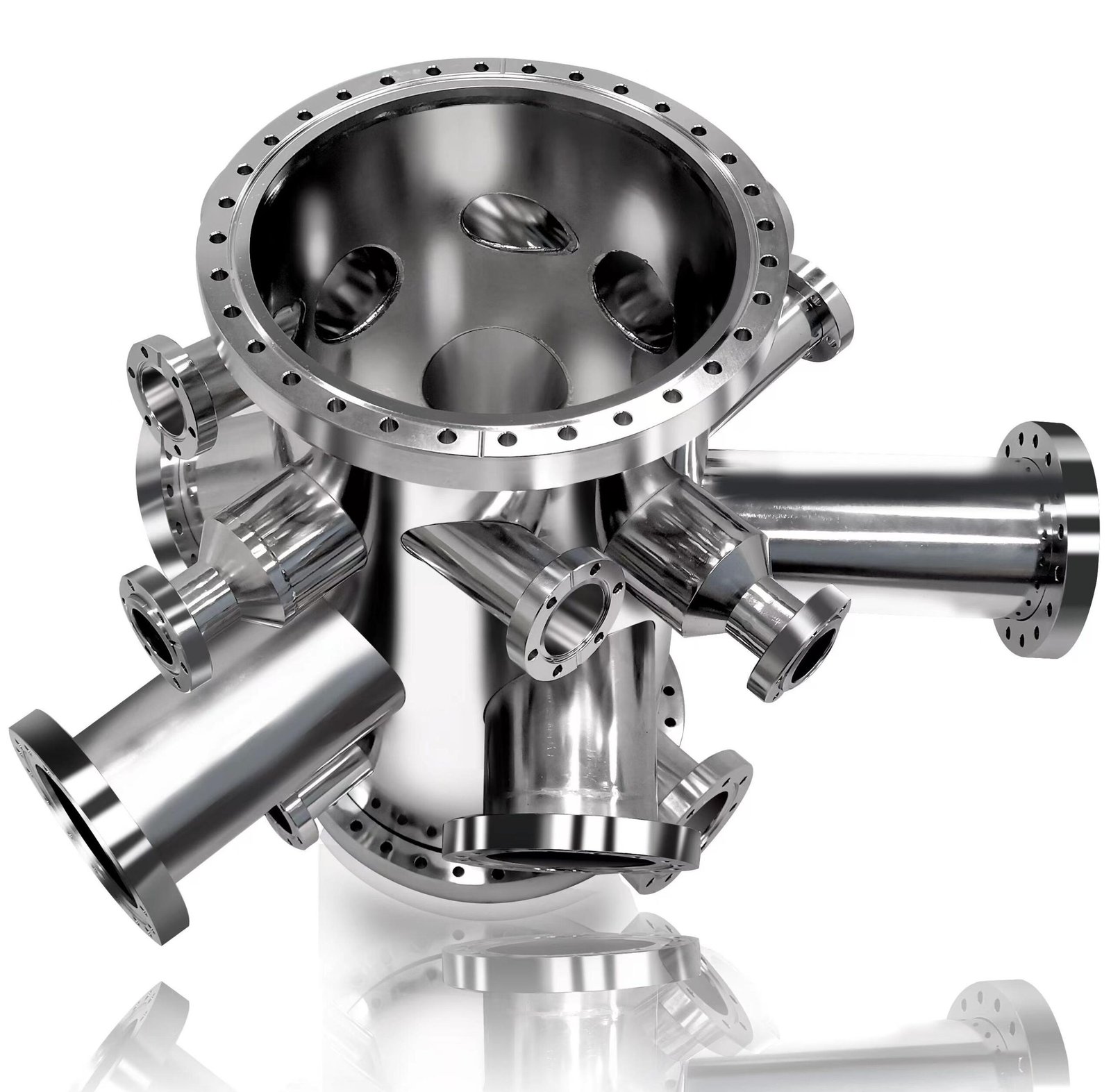
There could be many ports on the chamber, each performing a different function. One is connected to the vacuum pump, while another contains a pressure gauge, and yet another supplies an electrical feedthrough.
Their positions are not always convenient to machine.
For instance, angled ports may need further configurations or multi-axis machining to achieve the required orientation. The bolt holes surrounding the ports and mating features should match with the connected components as well.
Providing information on the port location, angles, type of flange, and tolerances will enable the manufacturer to determine how to manufacture the part without any assumptions.
4. Machining Internal Mounting Features
Brackets, threaded holes, mounting plates, and locating surfaces within the box will ensure that the specimens or devices can be held in place. While such features might not be used for creating the vacuum, their locations are very important.
For example, consider a chamber that houses a holder which needs to be aligned with a viewport. If the mounting holes are incorrectly positioned, the holder may not align with the viewport.
CNC machining helps produce these mounting interfaces to the dimensions shown on your drawings. The important point is to identify which dimensions control the equipment's position and which are less critical.
Table 1: Common CNC machining applications in vacuum chamber manufacturing
| Chamber component | CNC machining application | Why precision matters |
|---|---|---|
| Chamber body and lid | Mating surfaces, pockets, openings | Proper fit and alignment |
| Vacuum flanges | Sealing faces and grooves | Reliable seal geometry |
| Ports and feedthroughs | Openings, bolt patterns, angled features | Connection alignment |
| Internal mounts | Threaded holes and locating surfaces | Equipment positioning |
| Base and support interfaces | Mounting faces and holes | Installation and assembly fit |
CNC Milling vs. CNC Turning for Vacuum Chambers
Various machining techniques may be applied by the same company for the same chamber depending on the geometry of the part and material as well as its position within the machine.
The turning process is suitable for processing various rotationally symmetrical parts like circular flanges and cylinders. However, milling is the best method to process plane, pocketed surfaces, holes, and multi-angle cuts.
The use of multi-axis machining is advantageous for reaching angles and ports of complex parts.
Table 2: CNC machining methods used for vacuum chamber components
| Machining method | Typical applications | Main advantage |
|---|---|---|
| CNC milling | Lids, mounting faces, pockets, bolt holes | Handles varied geometries |
| CNC turning | Circular flanges, rings, cylindrical parts | Produces rotational features |
| Multi-axis machining | Angled ports, complex interfaces | Improves access to difficult features |
The most sophisticated machine does not always make the best choice. A less sophisticated machine might be adequate for a simple part, while a complex port arrangement might necessitate more sophisticated machining.
How CNC Machining Works With Welding and Finishing
It is vital to integrate machining and welding in most cases. We know that heat is produced during welding, and it creates distortions owing to the expansion and contraction of the metals. Originally flat flange faces get distorted by welding and fail to meet the flatness specifications.
Nevertheless, it does not imply that all welded chambers should necessarily be machined at the end.
There are some cases where the manufacturer has to perform machining of critical surfaces both before and after welding, while other surfaces may be machined in advance without affecting the outcome.
The order of manufacturing operations is essential since a change at any of the stages creates an additional task at another stage.
Surface preparation and cleaning are necessary to eliminate machining oils, chips, and residues before the use of the chamber in vacuum conditions. Contamination can also contribute to outgassing of the vacuum chamber.
Inspection ensures that the dimensions meet the required specifications. Helium leak testing will check for any possible leaks. They are two separate operations which cannot substitute for each other.
What Affects CNC Machining Accuracy and Cost?
It is tempting to specify very tight tolerances throughout a drawing. After all, greater precision sounds like a safer choice.
But every tolerance has a manufacturing consequence.
A tight flatness requirement on a large welded flange may require additional setups, careful workholding, and another machining operation. If that flatness is needed for the sealing arrangement, the extra work may be justified.
If the same tolerance is applied to a noncritical external surface, you may be paying for accuracy that does not improve the chamber's function.
Materials selection is just as important. It may have an effect on machining based on the grade of the stainless steel, thickness of the material, size of the part, and access of the cutting tool to the material.
Before finalizing your drawings, check that the surfaces and dimensions involved in sealing and alignment are clearly defined.
The manufacturer will provide the details of the parts that are difficult to manufacture; however, the decision to change the design rests totally upon you.
What to Check Before CNC Machining Begins
The 3D model provides a helpful visualization of the chamber geometry to the manufacturer. Nevertheless, it does not provide all the required information to manufacture and check the finished product.
All the above-referenced data needs to be included in the 2D drawing, including dimensions, tolerances, material type, surface finish, and other information regarding machining and inspection.
Also, some other information needs to be defined, including port locations, flange mating surfaces, seals, and mounting provisions.
The drawing and models need to be sent together and be of the same revision level. In case one of the files is at a more recent revision than the other, it would be difficult for the manufacturer to know which revision needs to be used.
It is also necessary to have a discussion regarding the required inspection and testing documentation prior to the manufacturing process. Depending on your project, the testing documentation might include a dimensional inspection report, material certificate, and helium leak test.
A manufacturing review can identify potential problems and missing information before material is cut. It does not transfer responsibility for the chamber design to the manufacturer.
Working With a Vacuum Chamber Manufacturer
Custom vacuum chambers at LAIKU are produced based on the drawings and specifications provided by the customers. CNC machining is one of the processes used in manufacturing vacuum chambers, along with welding, surface treatment, assembly, inspection, and helium leak testing.
Prior to manufacturing, our team can go through your drawings to check the manufacturability aspects and ask for clarifications regarding those aspects that might prove to be hard to manufacture.
We do not design or make drawings of your vacuum chamber. You provide the design, and the manufacturing team takes care of producing your chamber. And you can send us your drawings and specifications for review and quotation if you are developing a custom vacuum chamber project. So, contact our team to discuss your manufacturing requirements.
Conclusion
CNC precision machining matters in vacuum chamber manufacturing where surfaces need to seal, parts must align, and equipment has to fit correctly. However, machining is most useful when the required precision is applied to the right features.
Clear drawings, agreed manufacturing processes, and inspection criteria give your manufacturer a better starting point. They also help identify problems before extra machining or delays arise.
FAQs
What components of a vacuum chamber need to undergo CNC machining?
CNC machining is applied to flanges, lids of the vacuum chamber, sealing surfaces, ports, feedthrough holes, and mounting surfaces inside the chamber. It all depends on your design and dimensions that have to be maintained.
Why does CNC machining matter for vacuum sealing?
CNC machining is needed to manufacture sealing surfaces and grooves within certain parameters. However, the process of sealing is also dependent on a gasket or O-ring used, assembly conditions, materials, etc.
Is CNC machining possible after chamber welding?
Yes. Welding may cause deformation of metal components; therefore, there is a need for some chambers to undergo further machining after welding in order to achieve the required dimensions of certain surfaces.
What drawings are needed for custom vacuum chamber machining?
You should normally provide a 3D model and dimensioned 2D drawings, along with material specifications and a bill of materials where applicable. The 2D drawings shall include the following critical information: tolerances, sealability, porting and inspection.