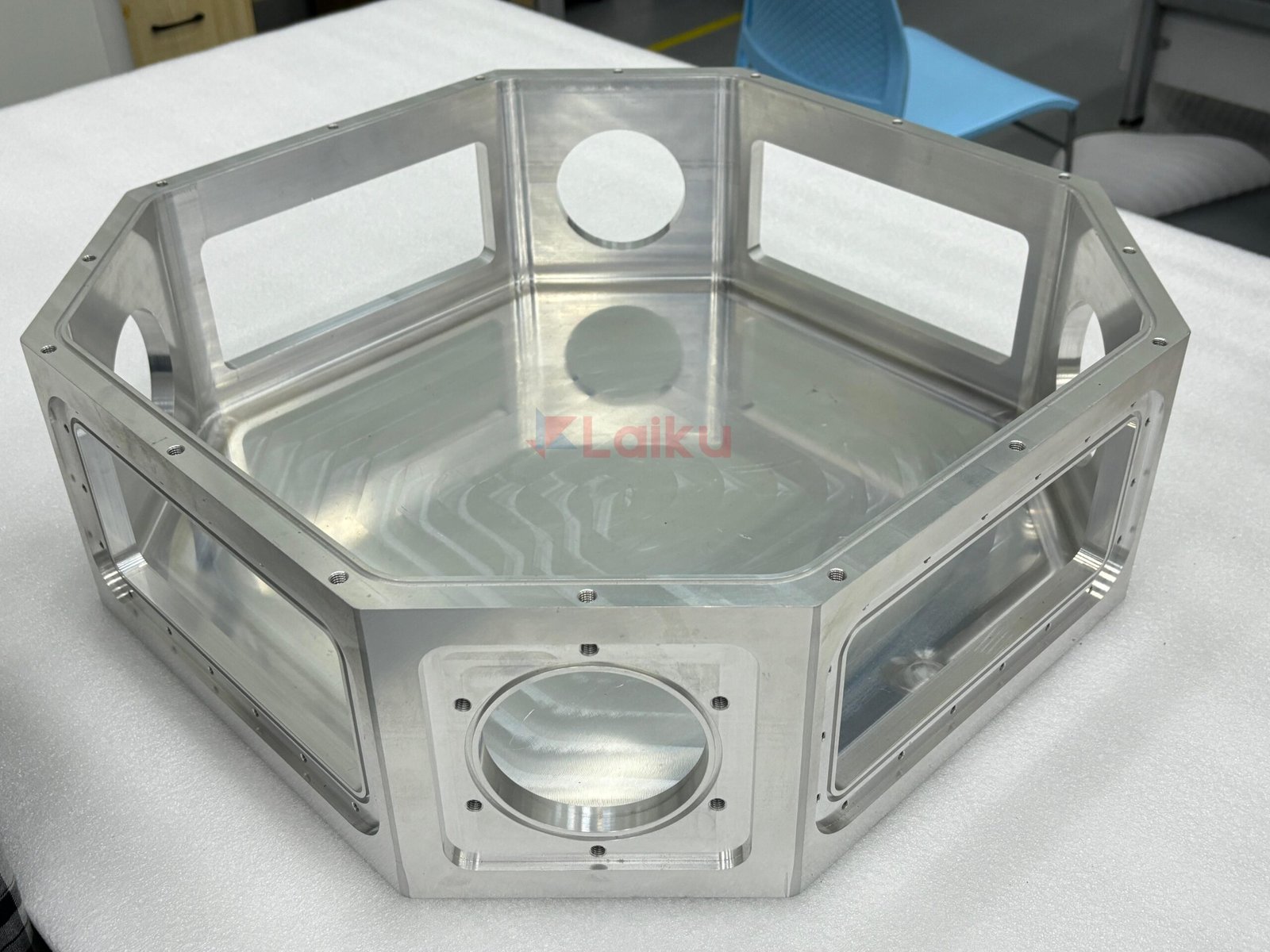


You already know the semiconductor industry forms the foundation for breakthroughs in electronics, computing, and telecommunications. Fabricating high-performance electronic components, including integrated circuits, microchips, and sensors, requires stringent manufacturing environments.
That's because even the slightest microscopic contamination or air molecules can impact product quality. Therefore, manufacturers employ specialized equipment like vacuum chambers to eliminate contaminants and regulate atmospheric variables in semiconductor manufacturing.
Here, we'll analyze in depth the role of vacuum chambers in the semiconductor industry. We'll provide a brief overview of vacuum chambers and examine their operation, types, and benefits for semiconductor fabrication. Let's start.
A Brief Overview of Vacuum Chambers
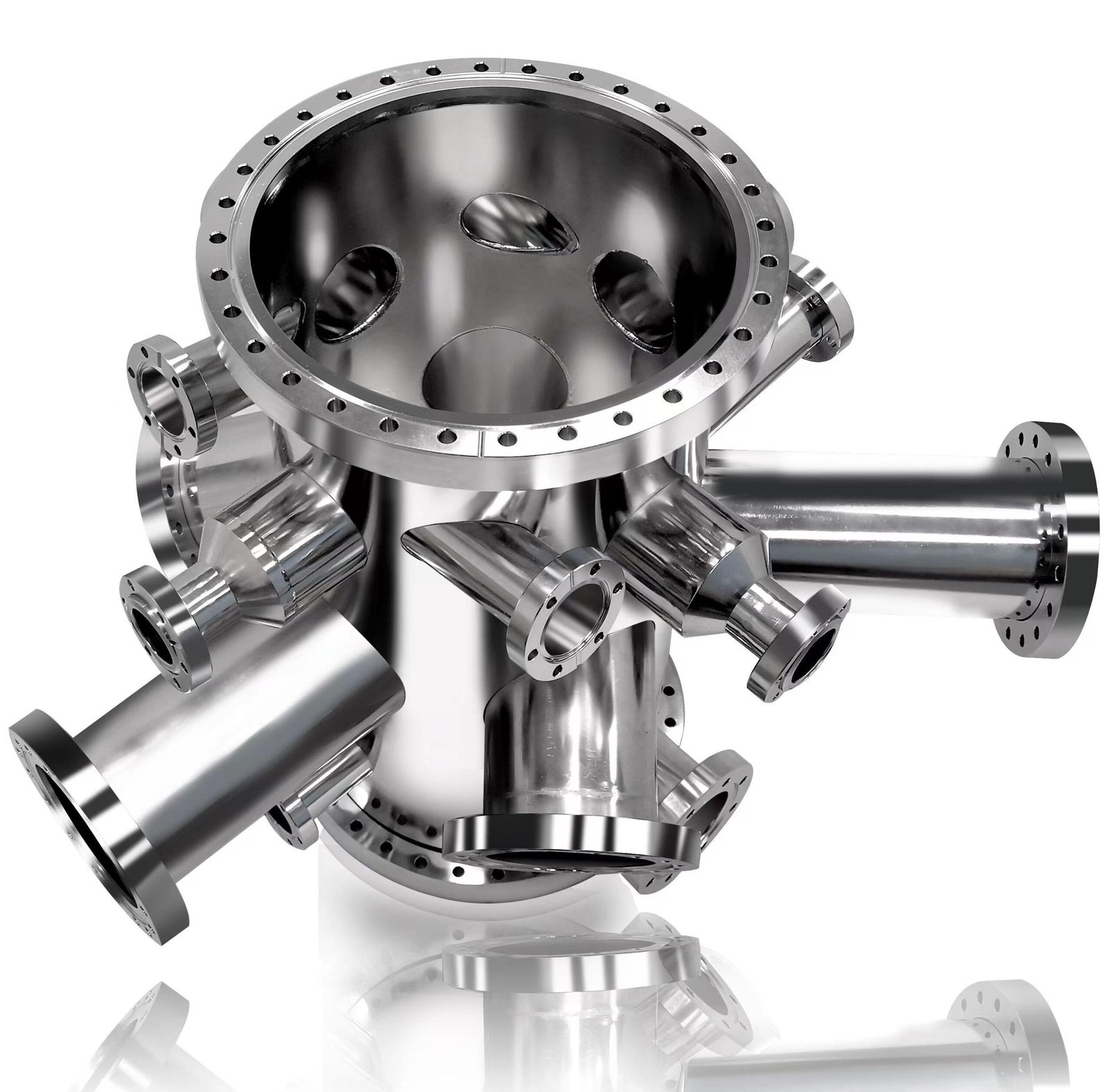
A vacuum chamber is a sealed container designed to maintain a vacuum environment inside. By this, we mean a condition at a reduced pressure. The level of vacuum can range from a marginally reduced pressure (rough vacuum) to an exceptionally low pressure (ultra-high vacuum).
For example, the rough vacuum level can range from atmospheric pressure (101325 Pa) to approximately 133 Pa. Meanwhile, the ultra-high vacuum (UHV) ranges from 1.33 x 10⁻⁵ Pa and below.
In essence, a vacuum chamber is a chief component of a vacuum system. The chamber, on its own, doesn't create a vacuum. A vacuum pump is used to remove air and other gases from the interior, thus creating a vacuum.
As you can see, this pressure-regulated environment is imperative for semiconductor manufacturing. That's because even minimal interference from outgassing, particulates, or leaks can disrupt the intended outcomes.
Furthermore, vacuum chambers support processes in semiconductor manufacturing like:
- Thin film deposition
- Material testing
- Ion implantation
Continue reading as we explore the significance of vacuum chambers in the semiconductor industry later.
Workings of a Vacuum Chamber
You now know the precise definition of a vacuum chamber. But how does it work?
In essence, the operation of a vacuum chamber can be divided into the following steps:
Step 1: Closing the Chamber
To establish a vacuum, the chamber should be entirely closed. Any leaks, if present, can compromise the vacuum levels. That's why maintenance of seals (gaskets or O-rings) and meticulous inspection are pivotal.
Step 2: Pumping out the Air
Once closed, the roughing pump activates to begin eliminating air from the chamber. This procedure lessens the pressure inside the chamber while establishing a vacuum.
At the same time, the atmospheric pressure outside rises and the air is extracted. This results in the expansion of the chamber's inner volume.
Step 3: Accomplishing Higher Vacuum
After reaching low vacuum levels, high-vacuum pumps are used to reach the target vacuum level. These pumps work in close coordination with roughing pumps to ensure the vacuum level remains constant as residual gases are removed.
Step 4: Examining and Maintaining Vacuum
Throughout the vacuum process, vacuum gauges provide instantaneous pressure level data. That enables operators to observe the vacuum's stability. Moreover, valves allow adjustments to control leak detection processes or gas flow.
The Different Types of Vacuum Chambers and Their Roles in the Semiconductor Industry
We earlier examined the general workings of the vacuum chamber. Now let's examine the various chamber types and their distinct roles in semiconductor manufacturing. These are as follows:
Load Lock Chambers
In essence, load lock chambers let wafers enter or exit vacuum systems. That's without disrupting the requisite processing environment.
Process Chambers
Process chambers are adapted for specific manufacturing steps such as deposition or etching. They typically endure reactive gases or extreme temperatures.
Transfer Chambers
The function of transfer chambers is to move wafers between process chambers under vacuum. They aid in maintaining environmental control.
Purposes of Vacuum Chambers in the Semiconductor Production Processes
Vacuum chambers are pivotal in varied semiconductor production processes. Some prominent examples include:
-
Thin Film Deposition (e.g., PVD, CVD): Vacuum chambers are used to deposit thin films onto semiconductor wafers for circuit formation.
-
Etching (Plasma): Vacuum chambers precisely support plasma-based etching procedures to produce microscopic circuit patterns.
-
Lithography and Metrology: Vacuum chambers are employed in inspection and patterning that necessitate a contaminant-free environment.
Throughout semiconductor production processes, vacuum chambers provide stable environments. They support isolating wafers from oxidation, particles, and moisture, which can influence chip performance.
Vital Benefits of Vacuum Chamber in the Semiconductor Industry
Vacuum chambers offer numerous advantages, especially in semiconductor manufacturing. Some of these encompass:
Prevent Contamination During Vital Production Phases
A chief advantage of vacuum chambers is the capability to eliminate air particles, moisture, and dust that can damage semiconductor wafers.
As stated before, semiconductor manufacturing necessitates ultra-clean conditions to avert defects. Vacuum chambers help maintain these conditions by preventing contamination during critical fabrication steps.
Enhanced Process Control
Vacuum chambers enable semiconductor manufacturers to accurately control gas composition, pressure, and temperature during production. This control level ensures consistent production results and enhances production efficiency.
Allow for Extreme Accuracy in Thin-Film Deposition
As you can see, several semiconductor components entail depositing thin layers of material on silicon wafers. These thin films must be applied with extreme precision.
Therefore, vacuum chambers facilitate cutting-edge deposition procedures like:
- Atomic Layer Deposition (ALD)
- Chemical Vapor Deposition (CVD)
- Physical Vapor Deposition (PVD)
Accordingly, these techniques require vacuum chambers to achieve precise, uniform material coatings.
Support Cutting-Edge Semiconductor Technologies
The latest semiconductor devices, including memory chips and microprocessors, need sophisticated fabrication procedures. Vacuum chambers support and optimize critical processes that encompass:
- Wafer coating
- Plasma etching
- Surface modification
As you can see, such techniques are pivotal for fabricating next-generation electronic devices.
Provide Augmented Product Quality and Reliability
Performance issues and product failures can arise owing to defects in semiconductor devices. Vacuum chambers diminish environmental interference and contamination, leading to enhanced product reliability and quality.
That's crucial for industries worldwide, such as computing, telecommunications, and electronics.
Optimize Energy Efficiency and Production Efficiency
Another benefit that vacuum chambers provide is reduced unnecessary material loss and enhanced production efficiency. It aids in optimizing semiconductor manufacturing processes and supports diminished energy consumption during fabrication.
Materials Used to Construct Vacuum Chambers for the Semiconductor Industry
Vacuum chambers employed in semiconductor production are generally constructed from different materials. All these materials aim to provide corrosion resistance, strength, and a reduced risk of contamination. They also help maintain a stable vacuum environment and an enduring equipment lifespan.
Some of these common materials encompass:
- Aluminum alloys
- Stainless steel
- Specialized vacuum-compatible coatings
Opting for the Precise Vacuum Chamber for Semiconductor Manufacturing Operations
Opting for the appropriate vacuum chamber is crucial to ensuring optimal performance and manufacturing efficiency. Semiconductor manufacturers must consider some vital factors when selecting vacuum chambers.
Briefly, these factors include:
- Vacuum chamber capacity and size
- Pressure range capability
- Incorporation of vacuum chambers with semiconductor processing systems
- Material compatibility
- Cleaning and maintenance needs
Thus, it's vital to collaborate with experienced vacuum chamber manufacturers. It ensures that the specified equipment fulfills the specific semiconductor manufacturing requirements.
Final Thoughts
We anticipate that you have learned about the role of vacuum chambers in semiconductor manufacturing. They indeed support a high degree of precision in processes that demand controlled conditions.
By reducing contamination and enhancing process control and product quality through such equipment, manufacturers can sustain innovation and uphold superior manufacturing standards.
Here at Laiku, we offer superior-quality vacuum chambers that enable you to achieve your desired level of contamination control and extreme precision. Connect with us now to commence.