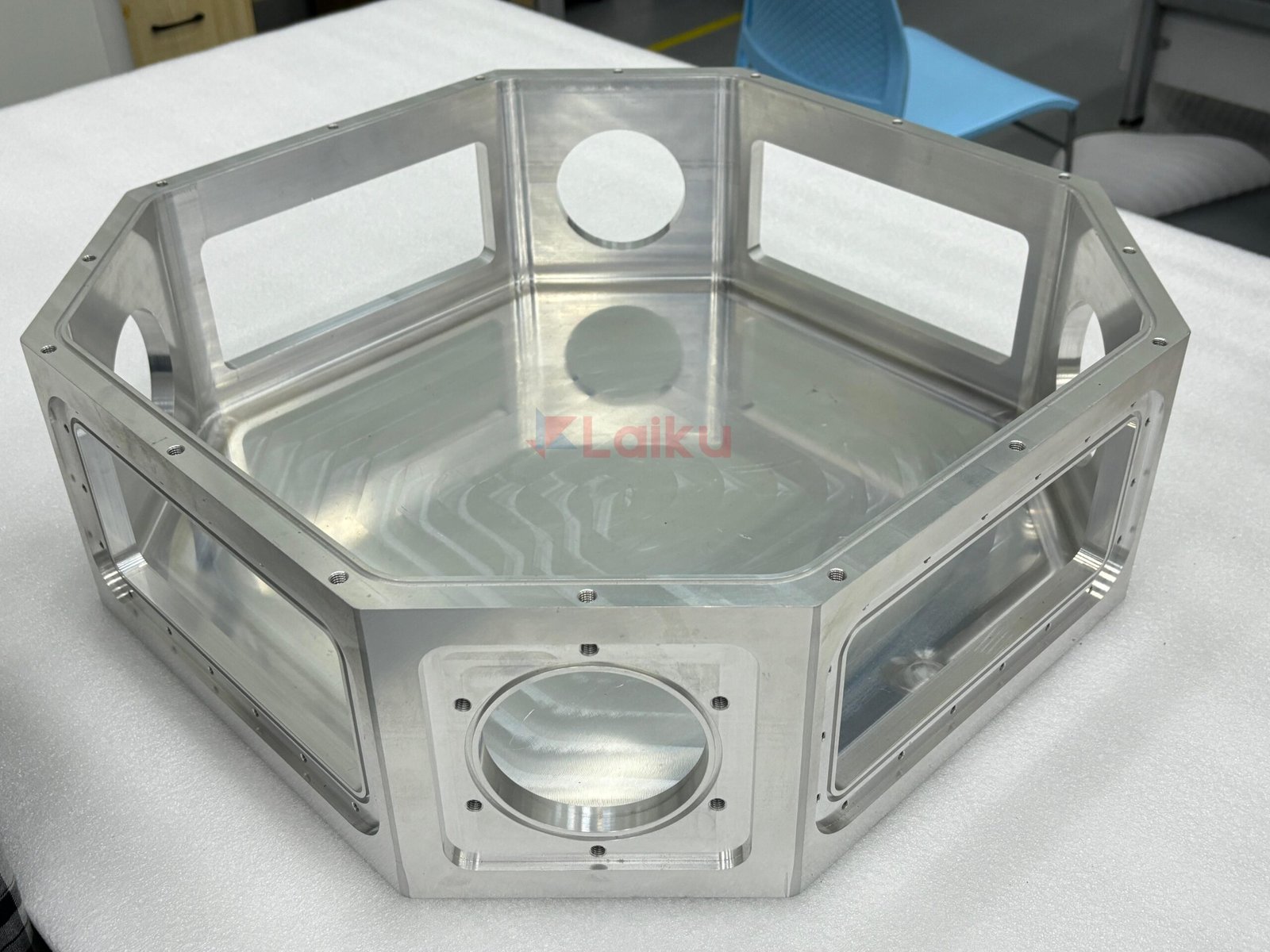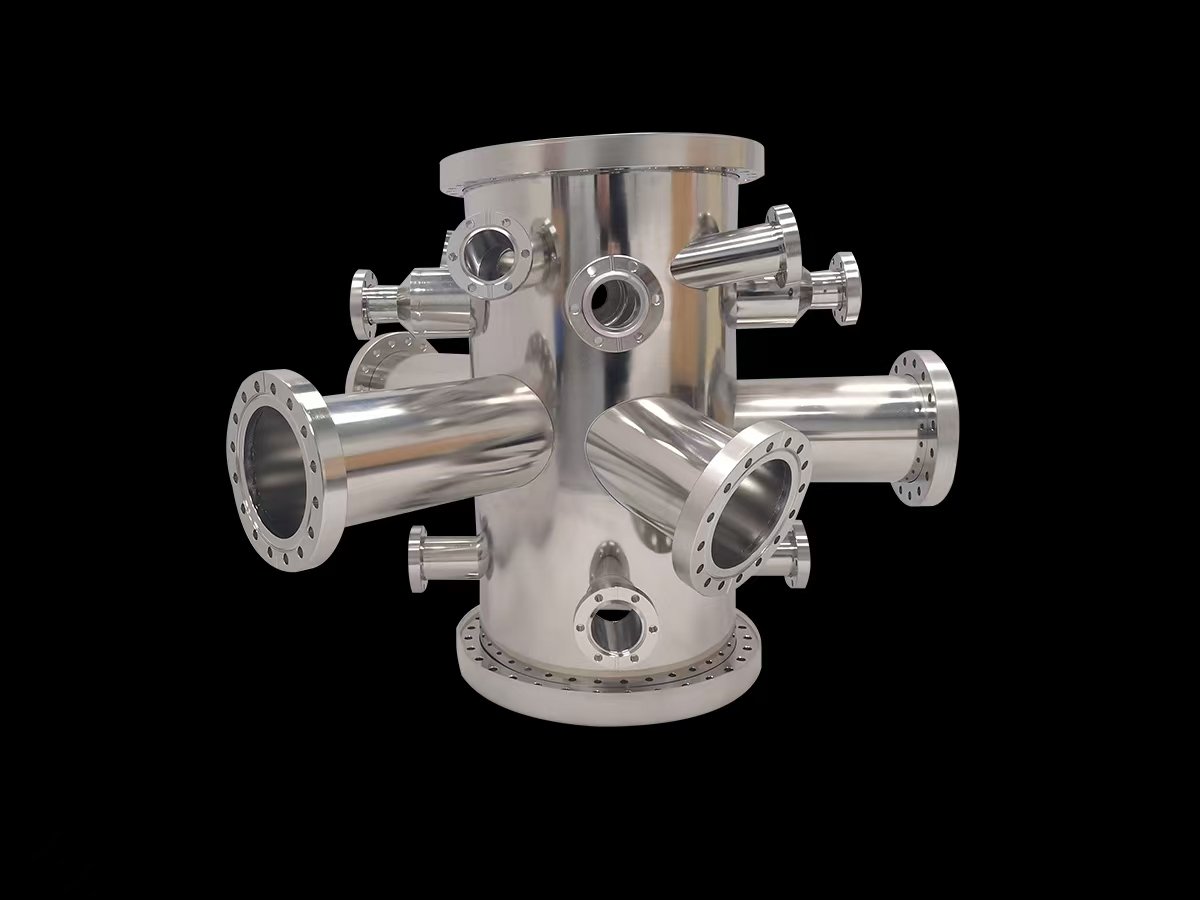

It is not a little setback if your vacuum chamber does not pass the leak test after final assembly. It would require weeks of labor to unpick all of the cuts, welds, and surfaces before reopening the chamber to chase a leak. It is not until pump-down, leak testing, or after the chamber is installed that the majority of costly manufacturing errors in custom vacuum chambers become apparent. When that happens, the price of fixing it has skyrocketed.
In order to catch these errors while they are still inexpensive to fix, the rest of this article will walk you through where they usually come from.
Mistake 1: Choosing Materials Without Considering Vacuum Requirements
Many costly issues, which often go unnoticed, begin with material selection. While some materials may work OK in low- or medium-vacuum settings, others may not be "vacuum-compatible" enough for use in extremely high- or ultra-vacuum (UHV) settings. While 304 stainless steel is a good option for most vacuum systems, ultrahigh vacuum and extra high vacuum applications frequently require 316L or further processing to achieve acceptable outgassing rates. Even when assembly is complete, elastomers, polymers, and some lubricants can outgas significantly in a vacuum, polluting the process.
Mistake 2: Treating Chamber Design and Manufacturing as Separate Processes
It is important to establish clearly who is responsible for what. Custom vacuum chamber manufacturing and chamber engineering drawing production are two distinct but complementary processes; no fabricator should be expected to perform both. A customized manufacturing partner will build according to your specifications. However, one of the more costly behaviors in the industry is treating design and manufacturing as two separate processes that never communicate with each other.
Mistake 3: Underestimating Welding and Joint Quality
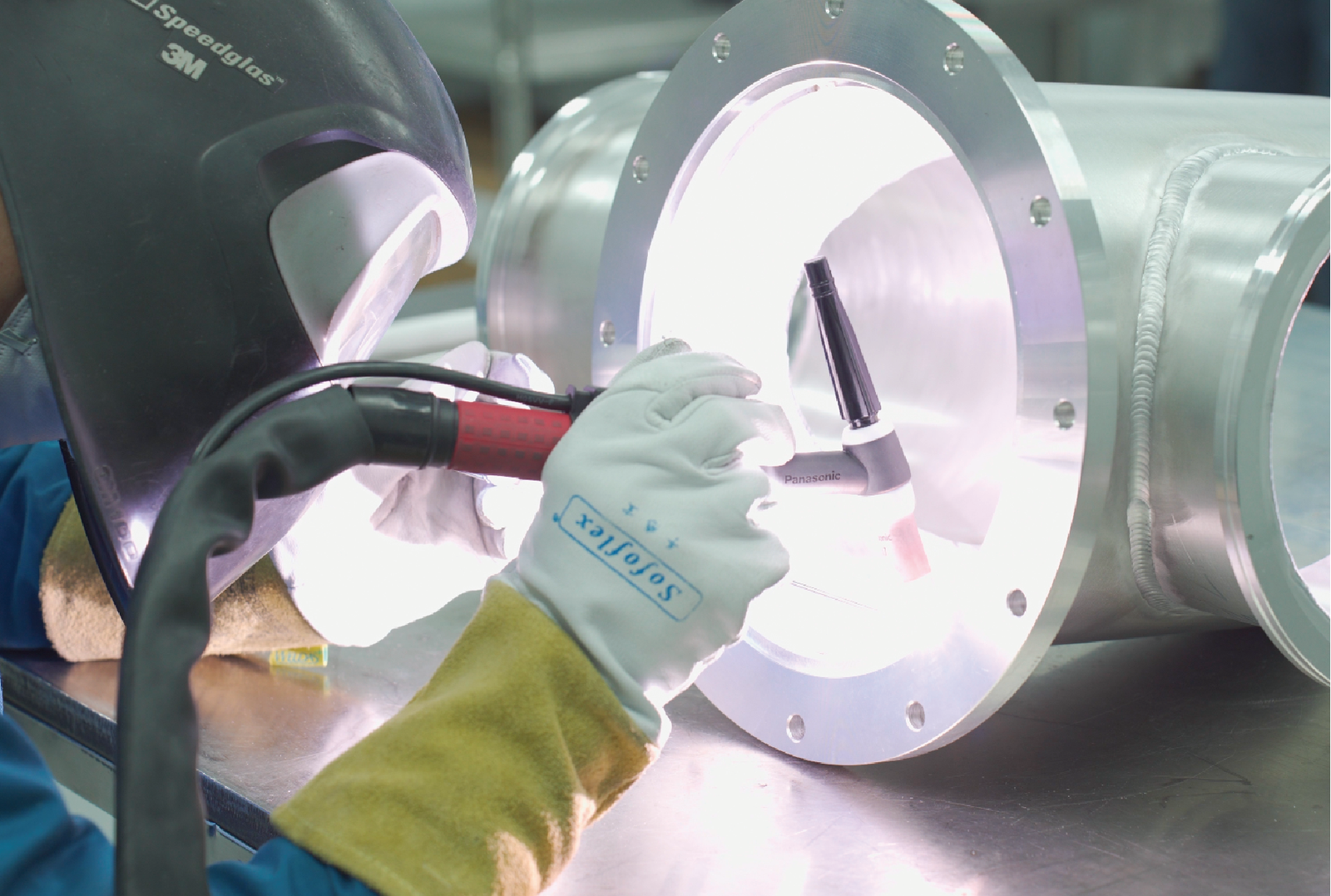
Some types of welding do not involve vacuums. The presence of porosity, incomplete penetration, or a fissure that traps gas in a joint, even while the junction is structurally sound according to typical manufacturing requirements, can cause it to become a "virtual leak" that mimics the behavior of a true leak during testing, but it cannot be sealed externally.
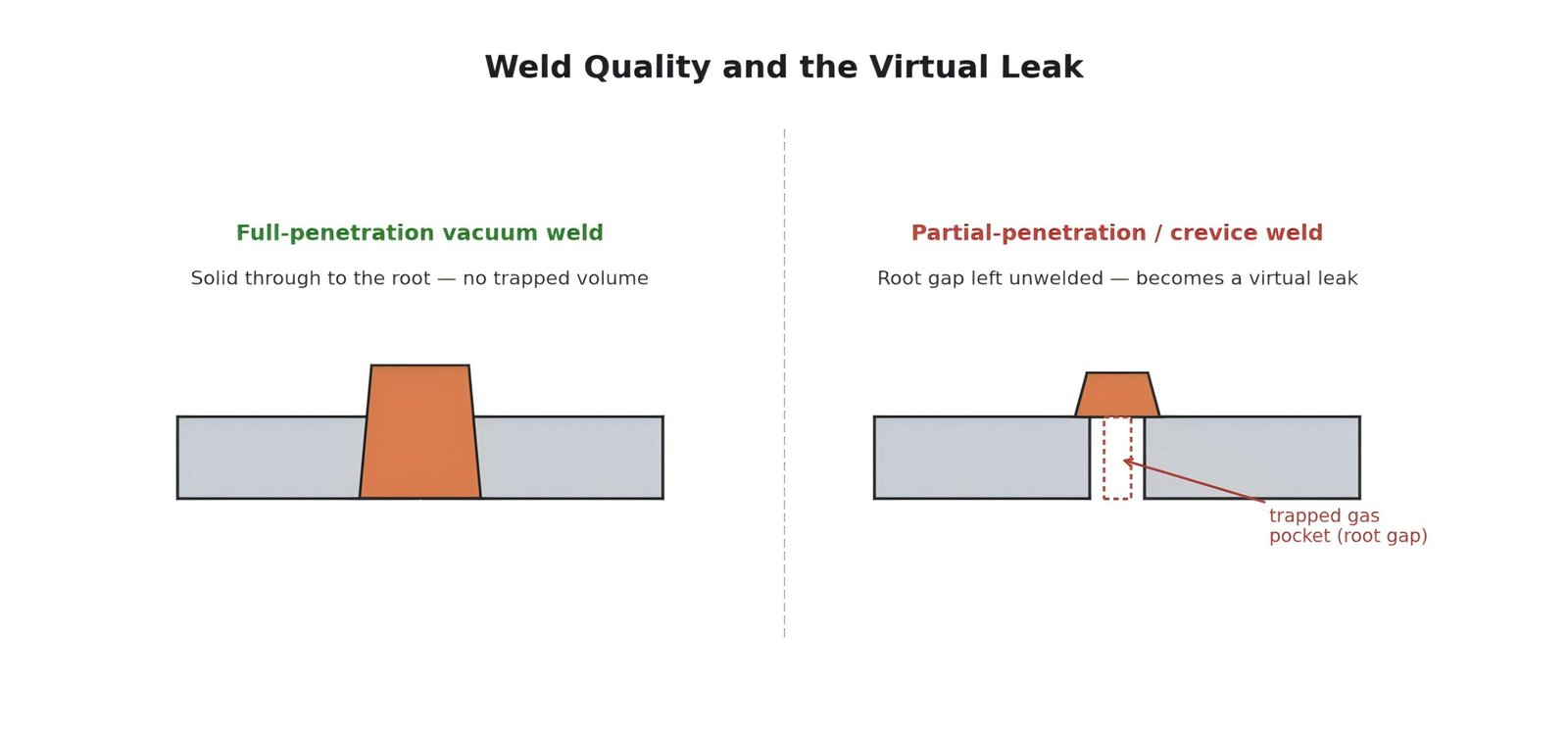
Figure 1: Weld quality and virtual leak
Full penetration, little reinforcing, and a welder who comprehends why a junction that passes a regular structural examination might nonetheless fail a helium leak test are all requirements of vacuum-grade welding. It is important to verify a fabricator's proven experience with vacuum manufacturing before proceeding with a construction.
Mistake 4: Ignoring Surface Finish and Cleanliness
The amount of gas adsorbed onto the chamber walls and the time it takes to pump that gas away are both affected by the state of the interior surface. Because chamber volume dominates gas load in rough and medium vacuum regimes, surface polish becomes less important. Residual oils, fingerprints, or machining impurities can significantly slow down pump-down or possibly prevent a chamber from ever reaching its base pressure at high vacuum and UHV regions, where surface-desorbed gas constitutes a significantly bigger portion of the load.
It is important to tailor the cleaning procedures, vacuum range, and electropolishing to the specific needs of the product. On the one hand, you would be wise to use them where they are required, and on the other, it would be a waste of money.
Mistake 5: Using the Wrong Flanges, Seals, or Vacuum Hardware
When mounting instrumentation, discrepancies between specifications and real application needs often become apparent, as flange type determines seal type, bakeability, and reusability. Adapters and workarounds increase the number of seal interfaces, which means that there is now more room for leaks.
| Flange Type | Typical Vacuum Range | Seal Type | Notes |
|---|---|---|---|
| CF (ConFlat) | High vacuum to UHV | Copper gasket (metal-to-metal) | Bakeable; gasket is not reusable once sealed |
| KF (Quick-Connect / NW) | Rough to medium vacuum | Elastomer O-ring | Fast to assemble; suited to frequent reconfiguration |
| ISO (LF / MF) | Medium to high vacuum | Elastomer O-ring, clamped | Large-bore; common on chamber bodies and doors |
Mistake 6: Failing to Account for Vacuum, Thermal, and Mechanical Loads
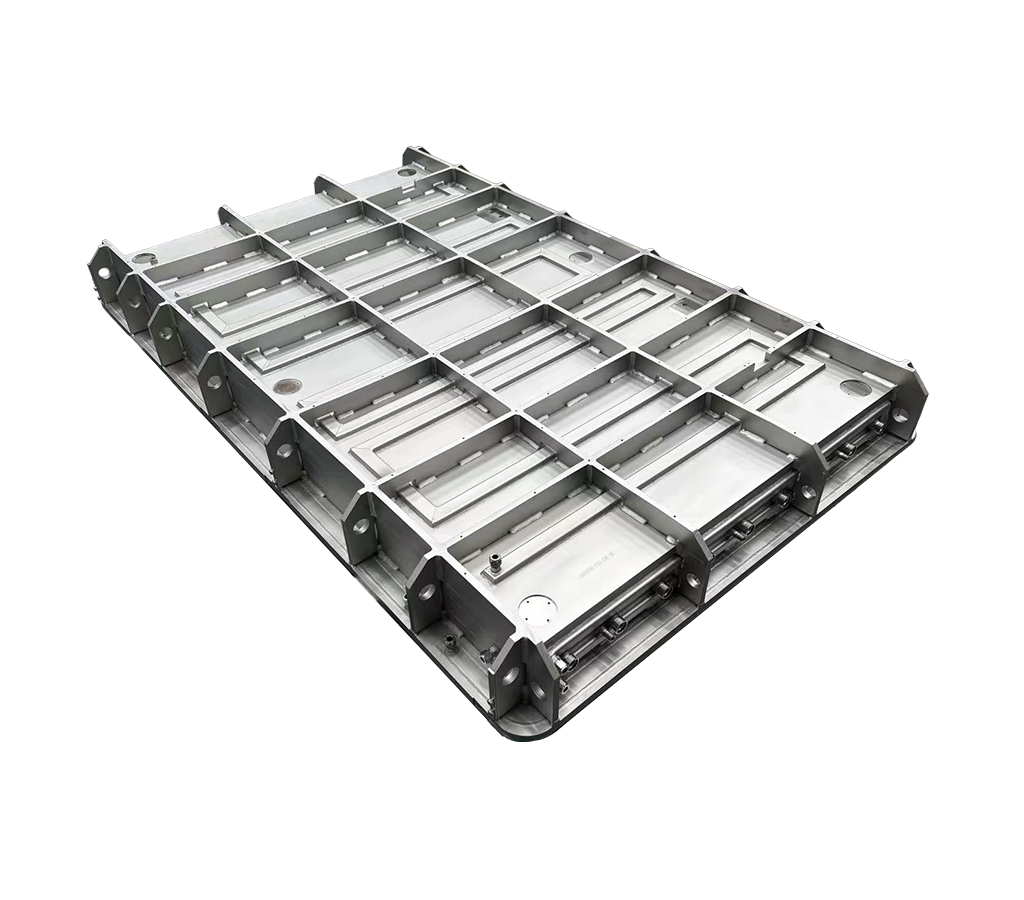
Once a chamber is evacuated, the atmospheric pressure presses inward on every square inch of its wall. This can make a big difference on a huge flat panel, causing noticeable bending or even worse, on a wall that was not prepared for it. Thermal cycling from bake-out and process heating puts unique demands on welds and seals compared to a room-temperature chamber. Mounted equipment, vibration, and frequent cycling of doors or valves add mechanical load to the mix.
Mistake 7: Adding Ports and Feedthroughs Too Late
Every port is a cutout in the pressure boundary and a potential leak path, so port count, placement, and orientation deserve to be settled around actual instrumentation needs before manufacturing - not treated as something to add once the chamber is otherwise finished.
Retrofitting a port after the fact usually means cutting into a chamber that has already been welded, finished, and possibly tested. That risks nearby joints, requires re-testing the whole assembly, and adds cost and schedule that planning would have avoided entirely.
Mistake 8: Skipping Proper Vacuum Leak Testing
The little leaks that only appear under helium mass spectrometry are often the ones that silently prevent a chamber from quietly attaining its goal pressure; nevertheless, a bubble test or pressure decay, which are examples of bulk leak checks, will only detect huge leaks. Because leak testing is not integrated into the process between sub-assembly and final stages, but rather performed as a standalone event at the very end of the build, any leak discovered is considered a late leak.
One way to fix a partially constructed chamber is to catch a leak. Finding the same leak after the chamber is completely incorporated into a bigger system requires tearing it down, and there is a substantial cost difference between the two options.
Mistake 9: Focusing Only on the Initial Manufacturing Price
You can not always trust the lowest quote when it comes to custom vacuum chambers. Even if a less seasoned fabricator wins the bid on price, they may end up losing the bid altogether due to issues like rework, missed leak-test acceptance, or delays caused by issues that a more seasoned shop would have identified sooner. It is not always clear that a quote is missing material certifications, documented leak-test findings, and traceable quality records until it is too late and you need them.
Consider the whole quote, not simply the total, when evaluating quotes.
How to Avoid Costly Vacuum Chamber Manufacturing Mistakes
The nine mistakes above share a common thread — each is far cheaper to prevent than to fix. The table below condenses each one into a single action.
| Common Mistake | Do This Instead |
|---|---|
| Choosing materials without vacuum requirements in mind | Match material and processing to the actual vacuum range — not just a general "vacuum-compatible" label |
| Treating design and manufacturing as separate steps | Get a manufacturability review from your fabricator before drawings are finalized |
| Underestimating weld quality | Confirm documented vacuum-welding experience, not just general manufacturing skill |
| Ignoring surface finish and cleanliness | Match finishing and cleaning protocols to the vacuum range the chamber must reach |
| Using the wrong flanges, seals, or hardware | Specify flange and seal type based on application needs, not habit |
| Ignoring vacuum, thermal, and mechanical loads | Size wall thickness and supports for real operating loads, not just leak-tightness |
| Adding ports and feedthroughs too late | Finalize port count, placement, and orientation before manufacturing begins |
| Skipping proper vacuum leak testing | Build helium leak testing into sub-assembly stages, not just final sign-off |
| Choosing a fabricator on price alone | Evaluate quotes on documentation, experience, and testing capability — not price alone |
Working With the Right Custom Vacuum Chamber Fabricator
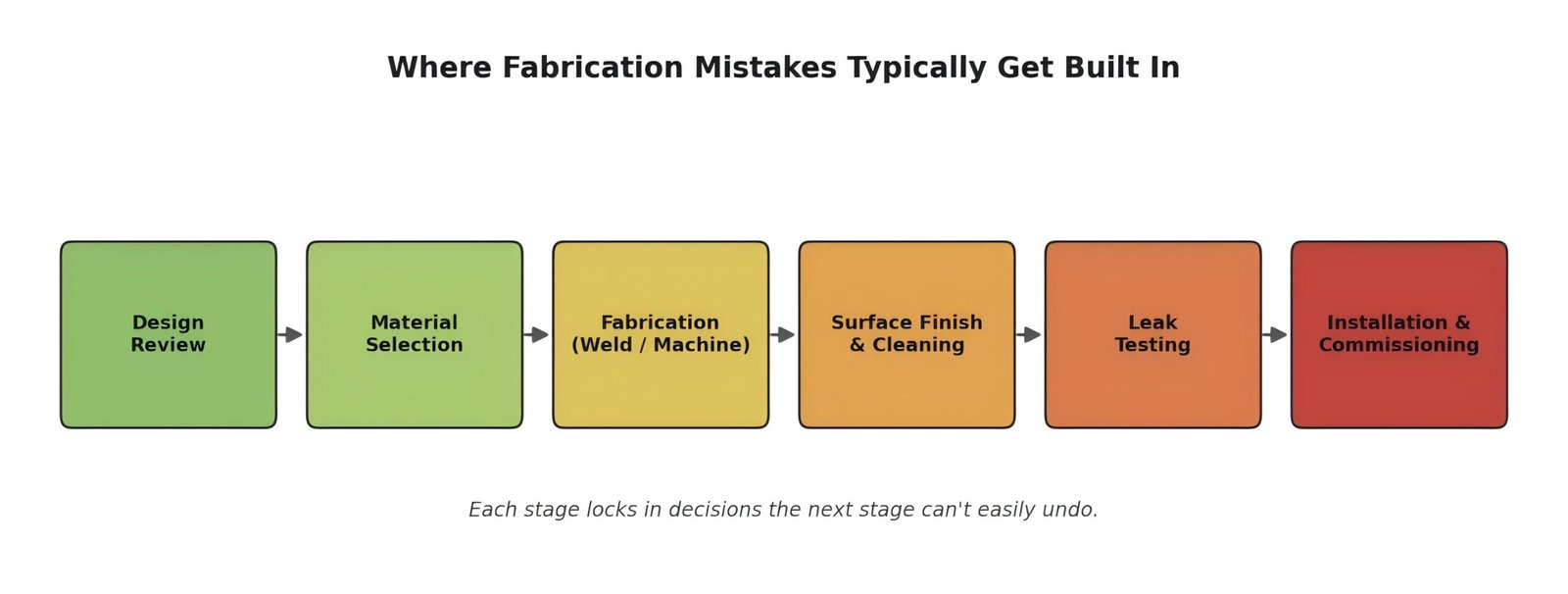
Figure 2: Manufacturing stages where client needs to be careful
Fabricators that focus solely on custom vacuum chamber manufacturing have advantages over general metal shops. These include ourders and machinists who know the ins and outs of vacuum joints, the ability to test for leaks in-house, and the pattern recognition from previous builds to identify potential manufacturability issues before they cost a lot to fix. Reviewing a design before metal is cut is distinct from actually creating the design; an excellent manufacturing partner will construct to validated drawings and highlight problems, but they will not assume control of the technical decisions that should be made by you or your design team.
It is reasonable to inquire about the fabricator's demonstrated expertise in your particular vacuum range, their leak-testing tools and procedures, their material certification and traceability policies, and their willingness to assess the manufacturability of a design prior to providing a quote.
Conclusion: Prevent Problems Before the Chamber Reaches the Vacuum System
You can easily avoid making almost all of the mistakes discussed here, and fixing them would likely cost more money. Time is of the essence; everything must be done precisely before the chamber enters the vacuum system, not after. This includes material selection, weld specifications, port planning, and testing protocols. One way to keep a custom vacuum chamber project from going over budget is to incorporate process discipline and work with a manufacturing partner that has the expertise to see details that a drawing can't.