
When we talk about semiconductor manufacturing, one thing is never up for debate: the need for tightly controlled environments. This is because, no matter the stage, even the smallest shift in pressure can completely change the outcome. One study reported that even a deviation as low as 5% at ultra-low pressures can introduce contamination and decrease process yield in precision fabrication systems.
This is why vacuum measurement is so important in semiconductor manufacturing. It is what keeps conditions stable inside advanced fabrication systems where there's no room for guesswork and precision remains non-negotiable.
Read further as we take a closer look at how vacuum pressure monitoring actually works in semiconductor environments, and more importantly, why ensuring its accuracy matters so much.

Image Source: Unsplash
First, What is Vacuum Measurement in Semiconductor Manufacturing?
In layman's terms, vacuum measurement is all about keeping track of how much pressure, or in a lot of cases, how little gas is really present inside a controlled chamber. However, in semiconductor manufacturing, it goes beyond maintaining just 'low pressure.' It has to do with keeping extremely specific vacuum levels steady so that the process can move from one stage to another without any changes impacting your final product.
Most of the modern semiconductor vacuum systems rely heavily on this kind of precise control because even minor pressure variations can quietly alter how the plasma behaves, how the materials deposit on thin films, and even how surfaces react during fabrication. So understandably, in a process that sensitive, each of those small shifts matters more than you'd expect.
What Does Vacuum Measurement Actually Do?
Now, when we are concerned with vacuum measurement, guesswork doesn't help much. Manufacturers develop vacuum measurement systems using sensors and gauges that can read pressure inside the chambers accurately.
Depending on the range you are dealing with, you can use different technologies like thermal conductivity sensors, ionization gauges, or capacitance manometers, which are a few of the most commonly used options. Each is designed for a particular pressure window, allowing manufacturers to track everything from rough vacuum to ultra-high vacuum conditions without affecting accuracy.
All that data doesn't even sit idle. It's constantly picked up by automated control systems that make on-the-go adjustments to keep the entire process running under consistent and stable pressures and well within the pre-specified ranges.
Where Vacuum Measurement Is Used in Production
You will notice vacuum pressure monitoring being used in almost all major semiconductor processes, like:
- Plasma etching for patterning circuits where controlled gas behavior is vital
- Thin-film deposition for layer formation, in which stable pressure ensures material uniformity
- Ion implantation, where every particle needs to be controlled tightly
- Vacuum coating systems that are used in fabricating microchips and sensors
Each of these processes relies on stable pressure conditions to produce consistent results. If you fail to ensure stable vacuum conditions, even your most advanced systems could produce inconsistent or defective wafers.
Image Source: Unsplash
Why Accuracy Is Vital in Semiconductor Manufacturing
This is where everything starts to make sense practically. In semiconductor production, vacuum gauge accuracy is not just about receiving better readings. It also shows up directly in your yield, cost, equipment health, and how reliable your products are. Here are five reasons why it is vital:
Maintaining Process Stability and Repeatability
In semiconductor manufacturing, repeatability is unarguably everything. You want every wafer that your company produces to behave exactly like the last one. However, when even a slight pressure variation happens inside a chamber, it can change how dense your plasma is or the reaction speed.
This is where accurate vacuum measurement really proves its value. It keeps each of your production cycles running under the same controlled vacuum conditions, so that you can reproduce what you produced once, a thousand times again, more reliably.
Preventing Contamination and Defect Formation
Contamination is another issue in semiconductor vacuum systems. In fact, it's one of the trickiest ones. What makes it worse is that it often can go completely unnoticed at first.
For instance, if your pressure readings are slightly off, small leaks or leftover gases inside the chamber can slip through undetected. That can make space for particles or even unwanted reactions during your processing stages. What makes it tricky is that the result won't always be immediate failures. More often, contamination shows up later as hidden defects that slowly reduce the reliability of the chips that you're manufacturing.
This is where precise vacuum pressure monitoring is important, as it can help you detect even small deviations early on before they turn into massive production losses for you.
Supporting Thin-Film Deposition Accuracy
Thin film processes are extremely sensitive to pressure changes. So whether you're working with sputtering or evaporation, the kind of thickness you want on your final film, the density, and even adhesion, all of that is directly influenced by the stability of your vacuum environment.
If the vacuum gauge accuracy is off in your production environments, then your deposition rates can change. Over time, this would produce inconsistent coatings on your chips and eventually affect the device performance when they are used in real-world applications.
Reducing Equipment Stress and Unexpected Downtime
In many production facilities, inaccurate vacuum readings don't just affect the products being manufactured. They also affect the machines.
If a system continues to run under incorrect assumptions about pressure levels, the pumps and valves may be pushed beyond their optimal operating range. This can increase the wear and tear on your production components and lead you to deal with more frequent maintenance and unexpected shutdowns.
However, with reliable vacuum measurement, you can reduce this unnecessary strain on your semiconductor vacuum systems and improve the overall lifespan of your equipment.
Improving Yield and Manufacturing Efficiency
When you see the larger picture or consider things at scale, even a minor improvement in accuracy can translate into significant cost savings for your business. Better vacuum pressure monitoring would mean that you get fewer defective wafers, less rework pressure, and more efficient production cycles.
In semiconductor manufacturing, where your margins depend highly on precision, this kind of control can directly improve the yield and operational efficiency of your systems.
Choosing the Right Vacuum System Setup
It is important to consider different aspects because the performance of your semiconductor vacuum systems depends on more than just sensors. Your chamber design and overall system architecture also play an important role in measurement stability.
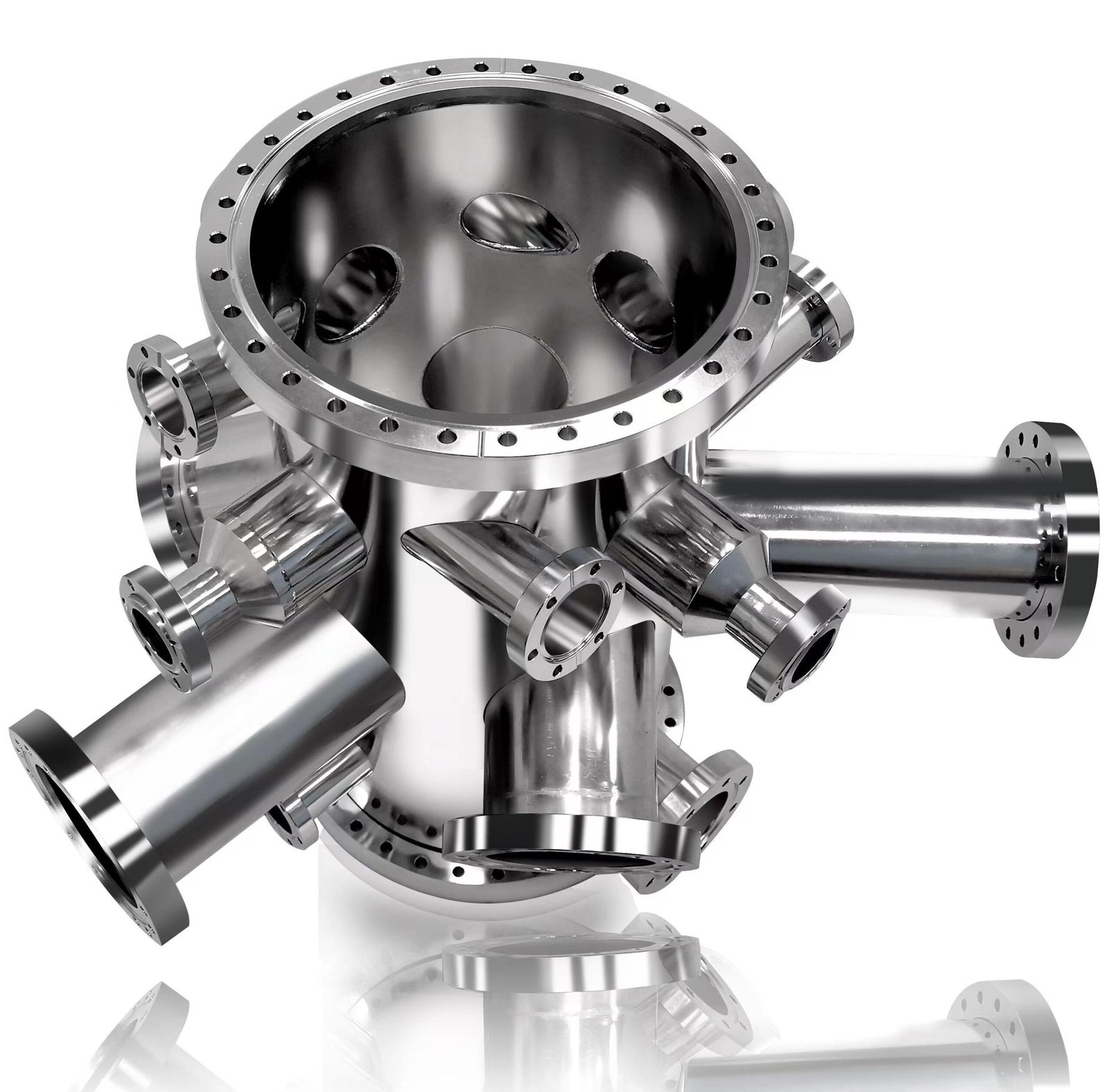
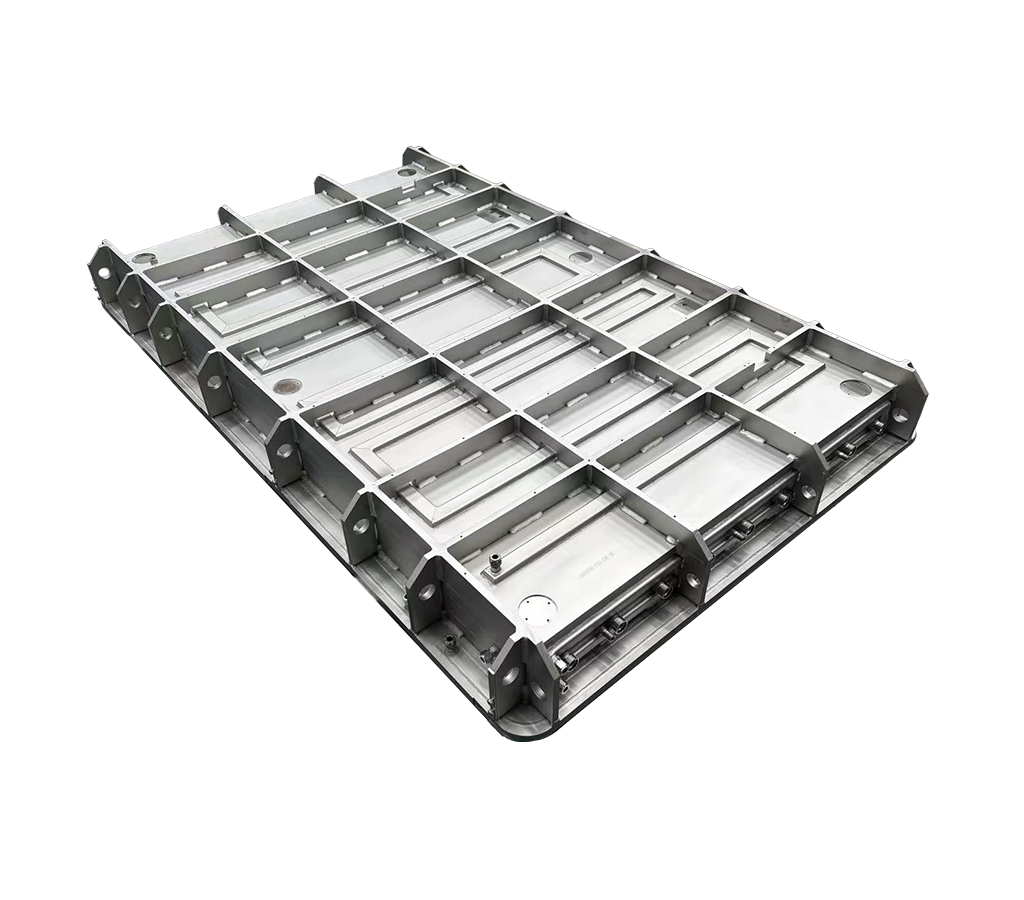
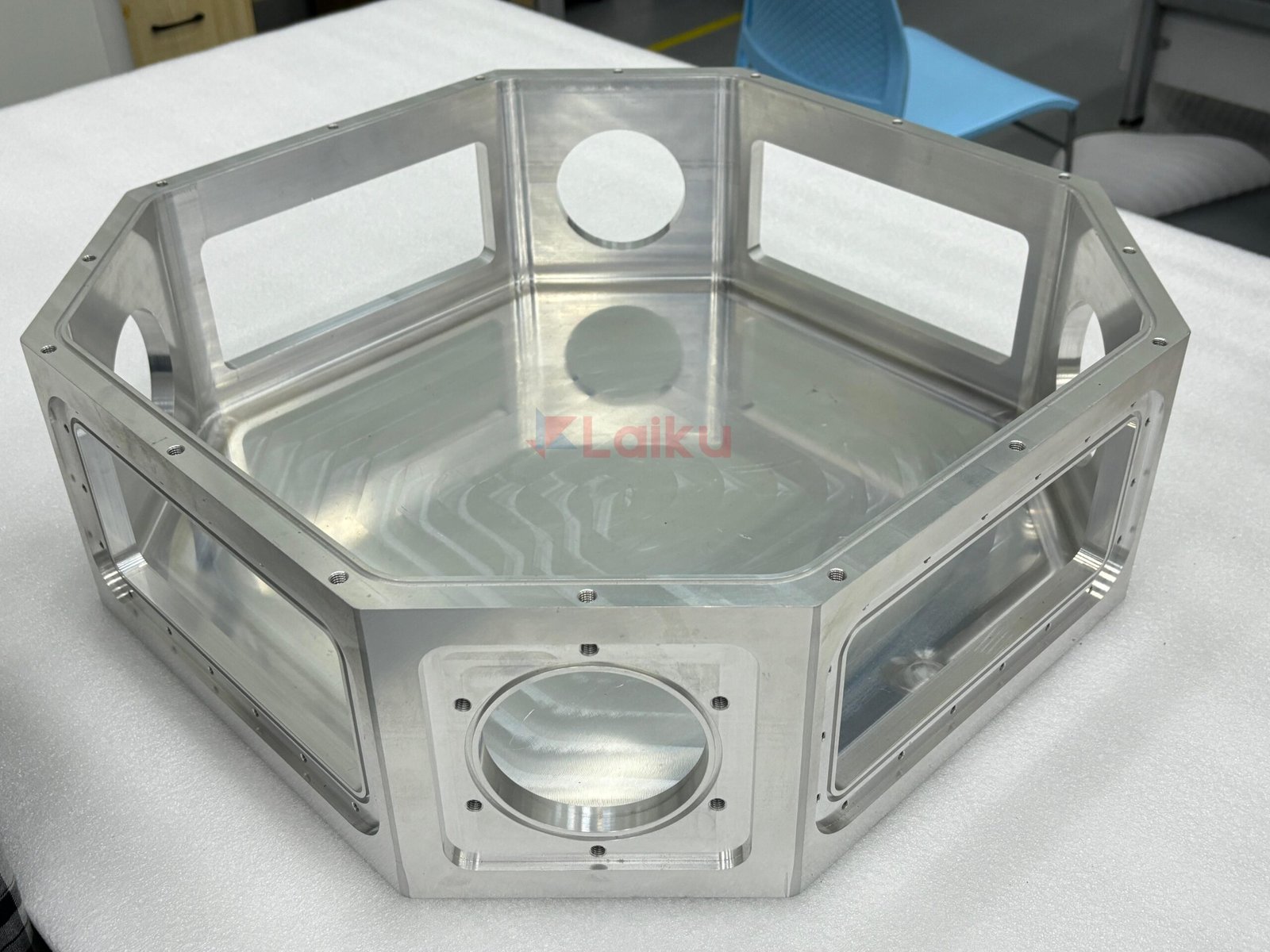
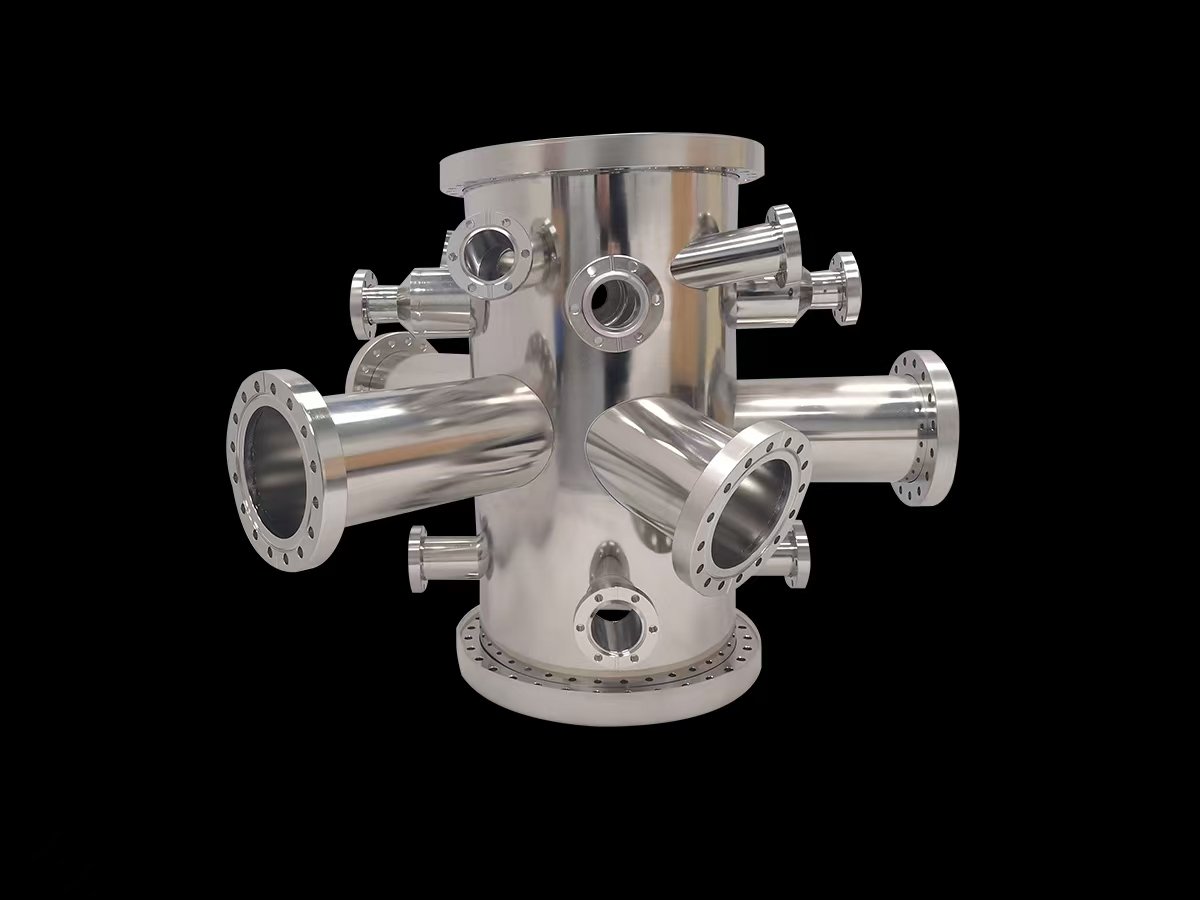
Different processes require different vacuum chamber geometries to ensure proper distribution of pressure and efficiency. There are different designs of chambers, like spherical, cylindrical, box, and others that are used depending on application needs.
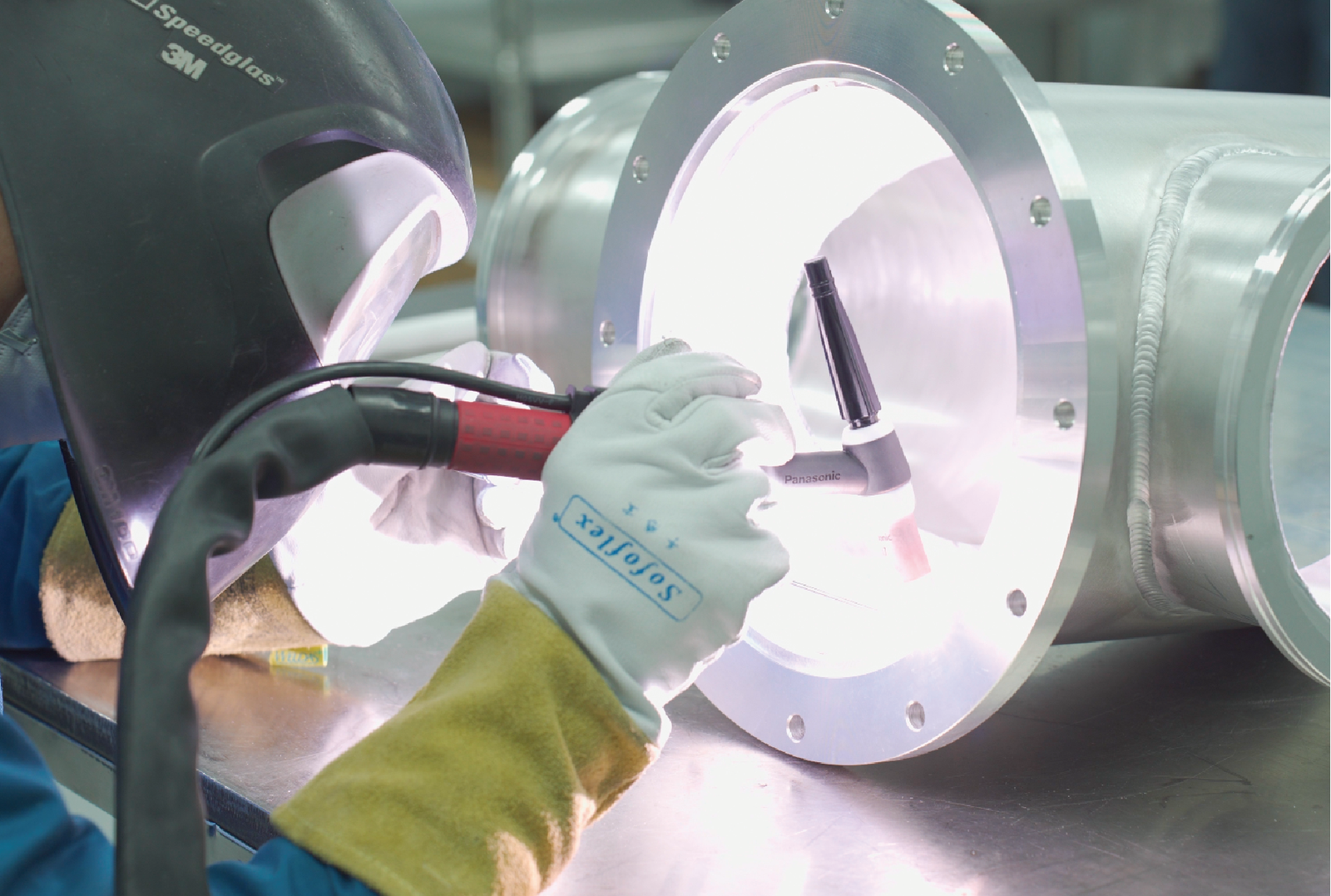
Each chamber shape affects how the gas flows, what the pump-down speed is like, and the uniformity of the pressure under certain vacuum conditions. This is why reliable manufacturers like LAIKU provide advanced ultra-high vacuum chambers in different shapes and designs for different semiconductor applications.
The right combination of chamber geometry and vacuum measurement is important to get consistent and predictable performance across multiple production stages every time.
Final Thoughts
Precision is at the heart of semiconductor manufacturing. Whether you consider etching or deposition, every stage depends on stable vacuum measurement and reliable vacuum pressure monitoring.
As a manufacturer, when you are able to maintain vacuum gauge accuracy and support it with well-designed semiconductor vacuum systems, you can achieve higher yield, fewer defects, and greater consistency of the different processes involved.
As the industry is continuing to advance towards smaller nodes and higher complexity, the importance of vacuum control is only going to increase in the coming years, making accuracy not just a technical requirement, but also a necessity for producing market-worthy chips and different semiconductor applications.
If you're looking to improve your system stability and vacuum performance, explore LAIKU's UHV chambers and core components that are designed to support high-precision semiconductor applications.
FAQs:
What is vacuum measurement used for in semiconductor manufacturing?
It is used to monitor and control pressure levels in different fabrication systems to guarantee stable vacuum conditions during key processes like etching, thin film deposition, and ion implantation.
Why is vacuum gauge accuracy important?
Vacuum gauge accuracy is really important in semiconductor manufacturing because even small pressure variations can affect plasma behavior, thin-film quality, and overall wafer consistency.
What types of vacuum chambers are commonly used in semiconductor manufacturing?
Semiconductor manufacturers use different chamber designs, such as spherical, cylindrical, hexagonal, and box chambers, aligning them with their process requirements and system configuration.