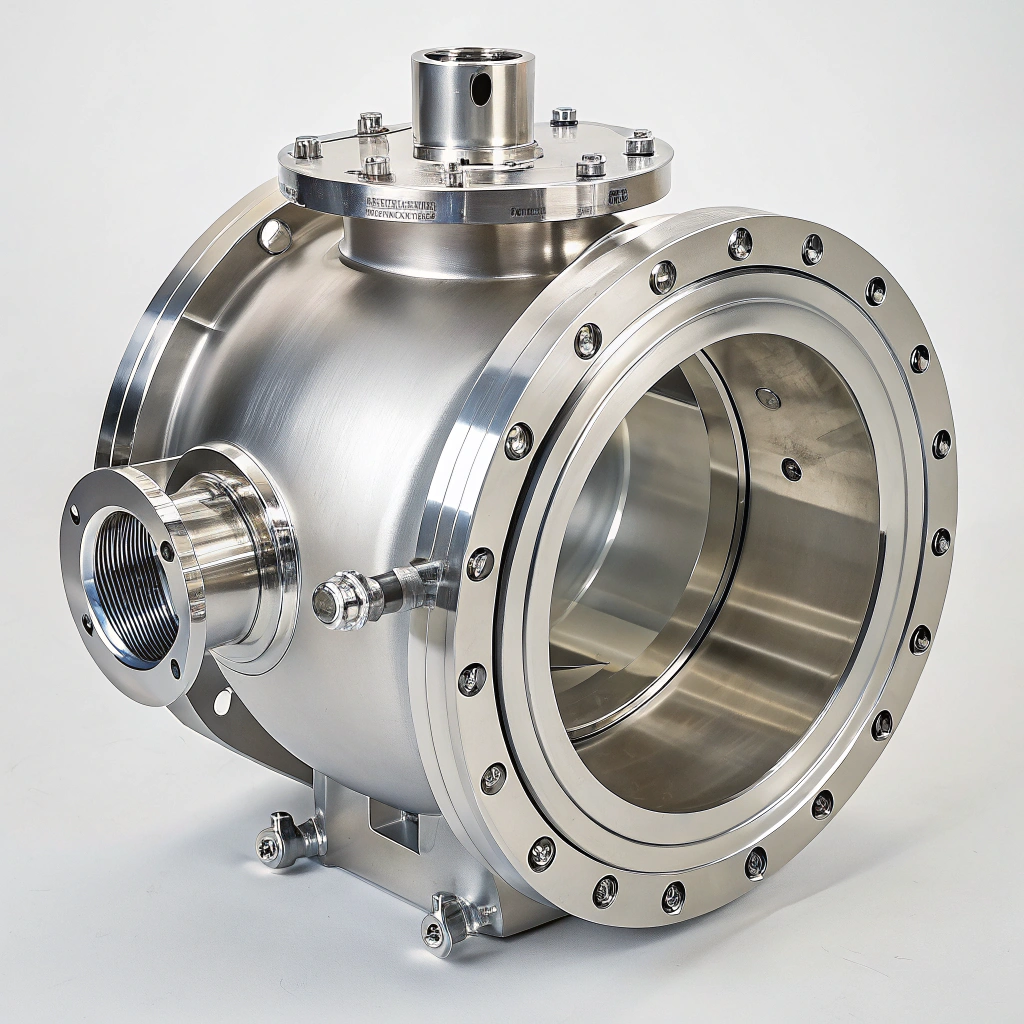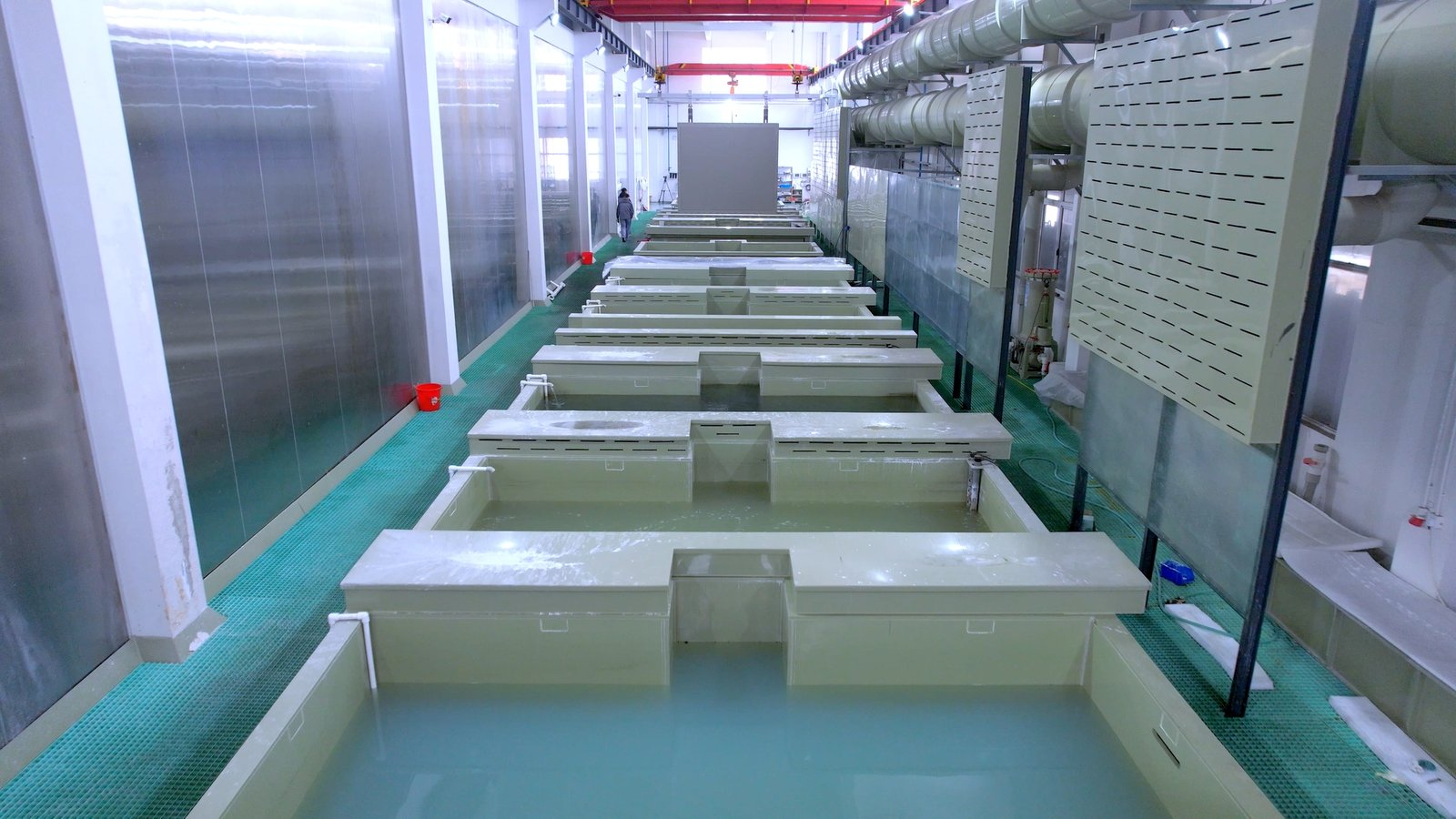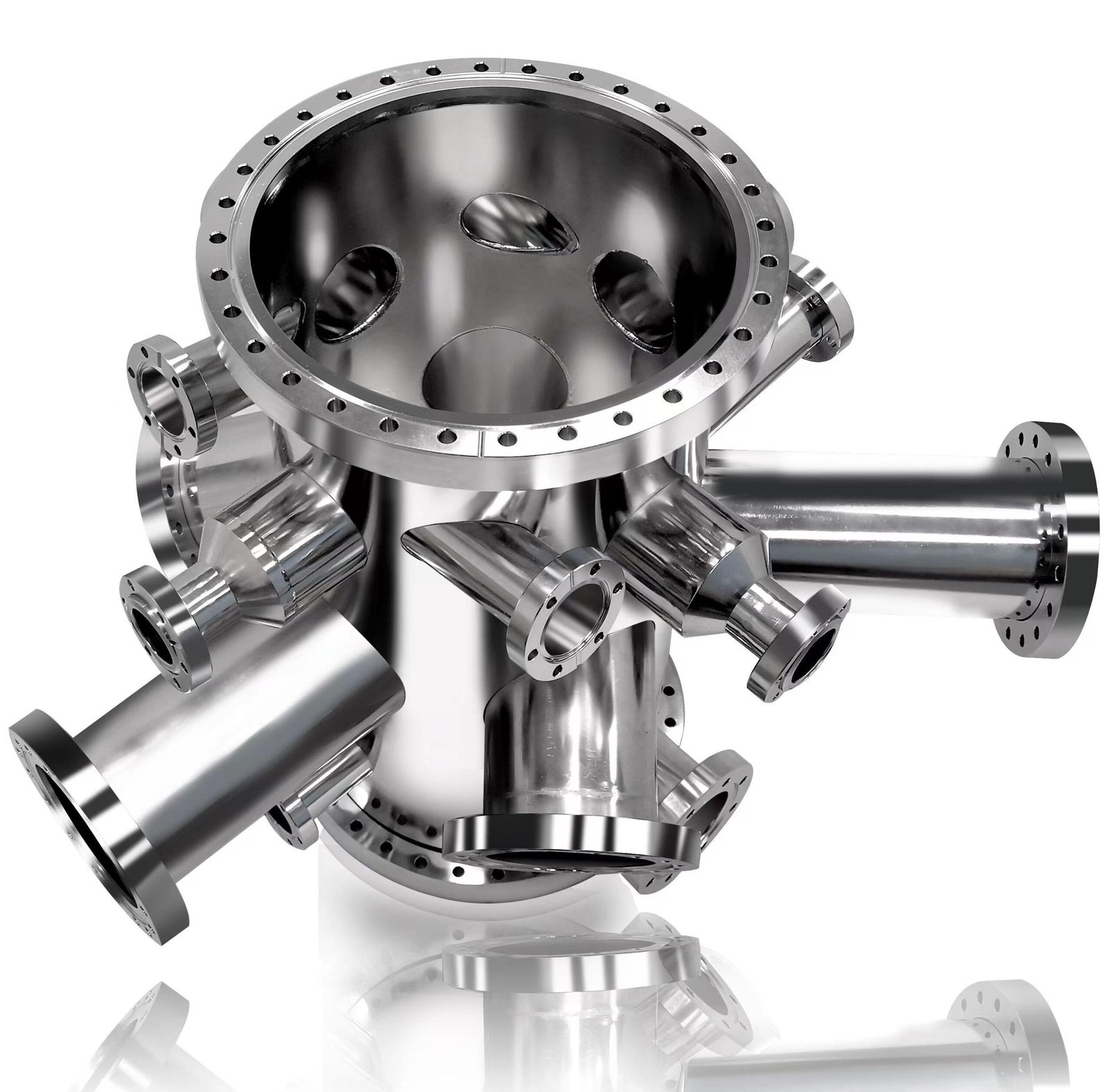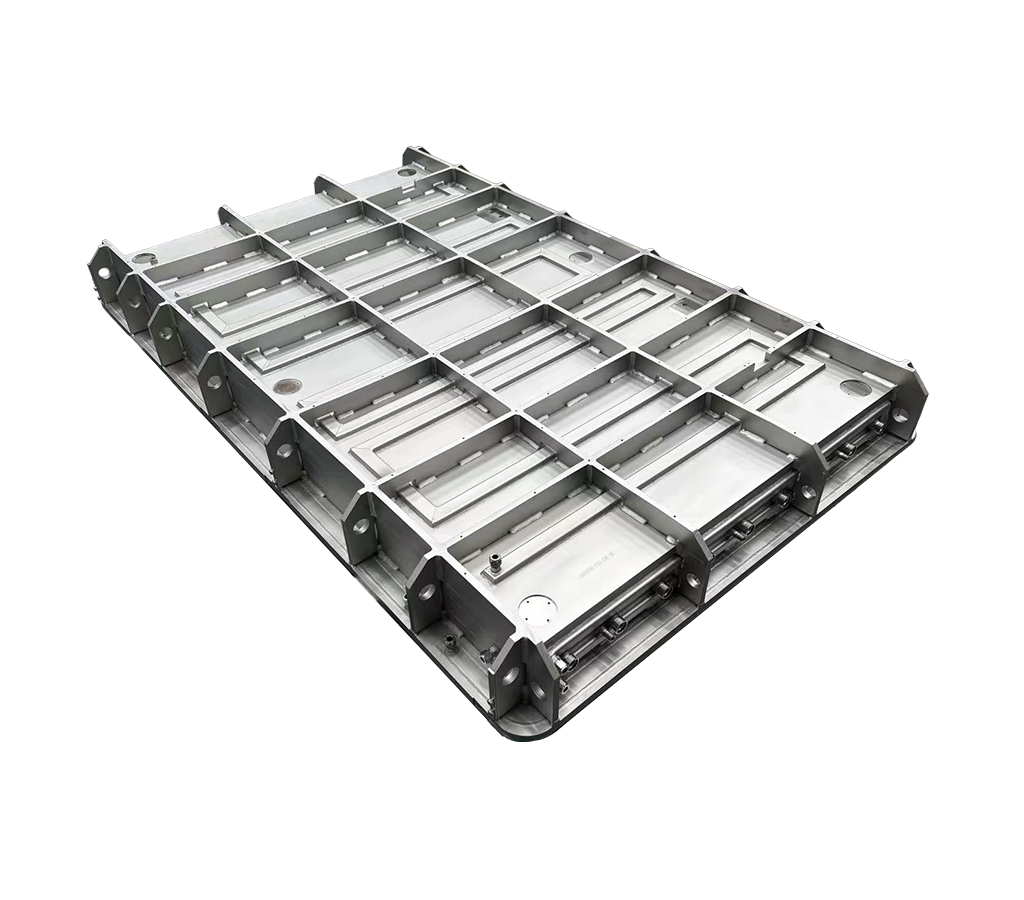

Vacuum chamber sealing keeps unwanted gas from entering a chamber while pumps remove gas from inside. The seal affects pump-down speed, leak rates, cleaning, temperature limits, and long-term performance. Choosing between an elastomer O-ring, a ConFlat flange, or a metal gasket depends on the chamber's pressure target and operating conditions.
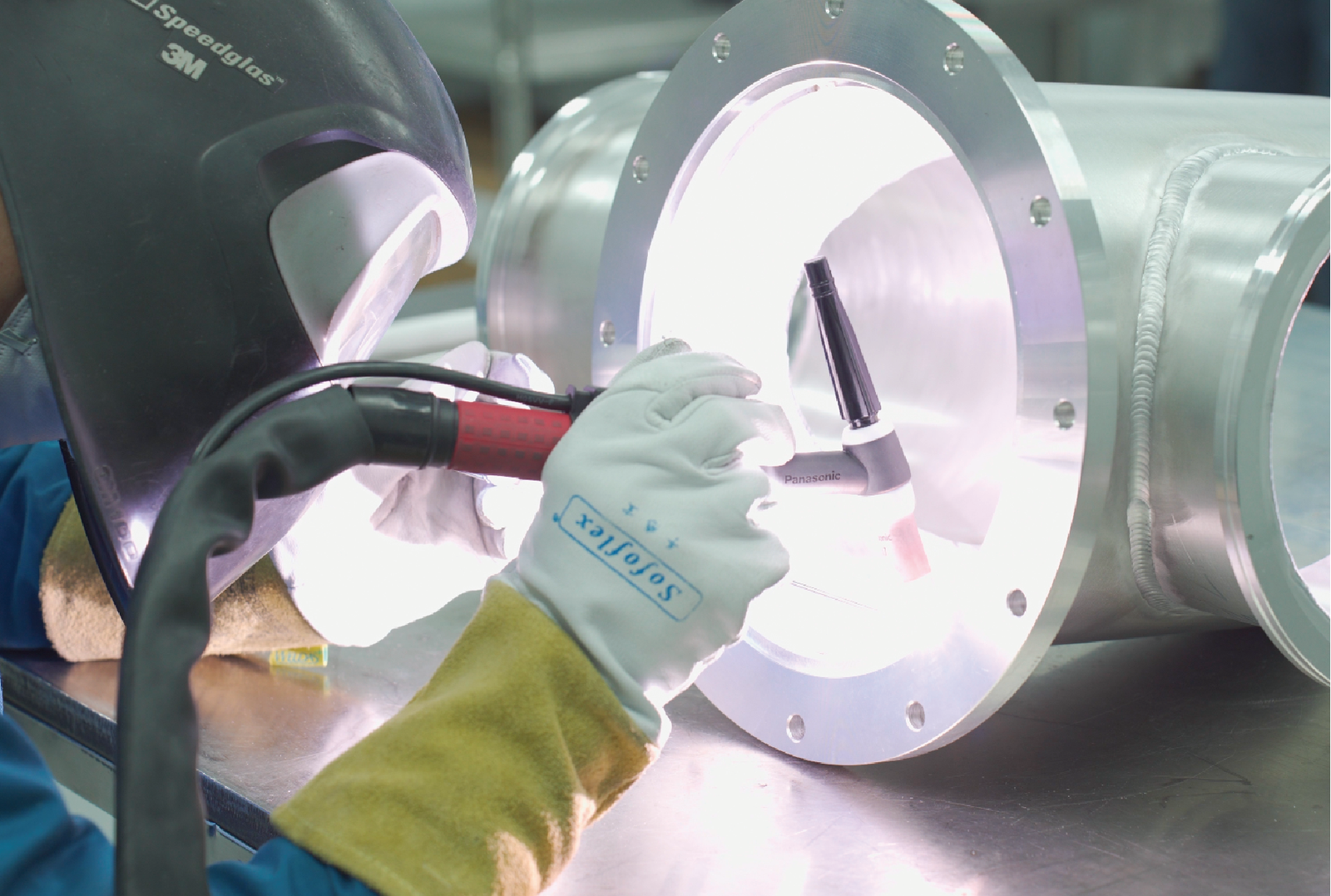
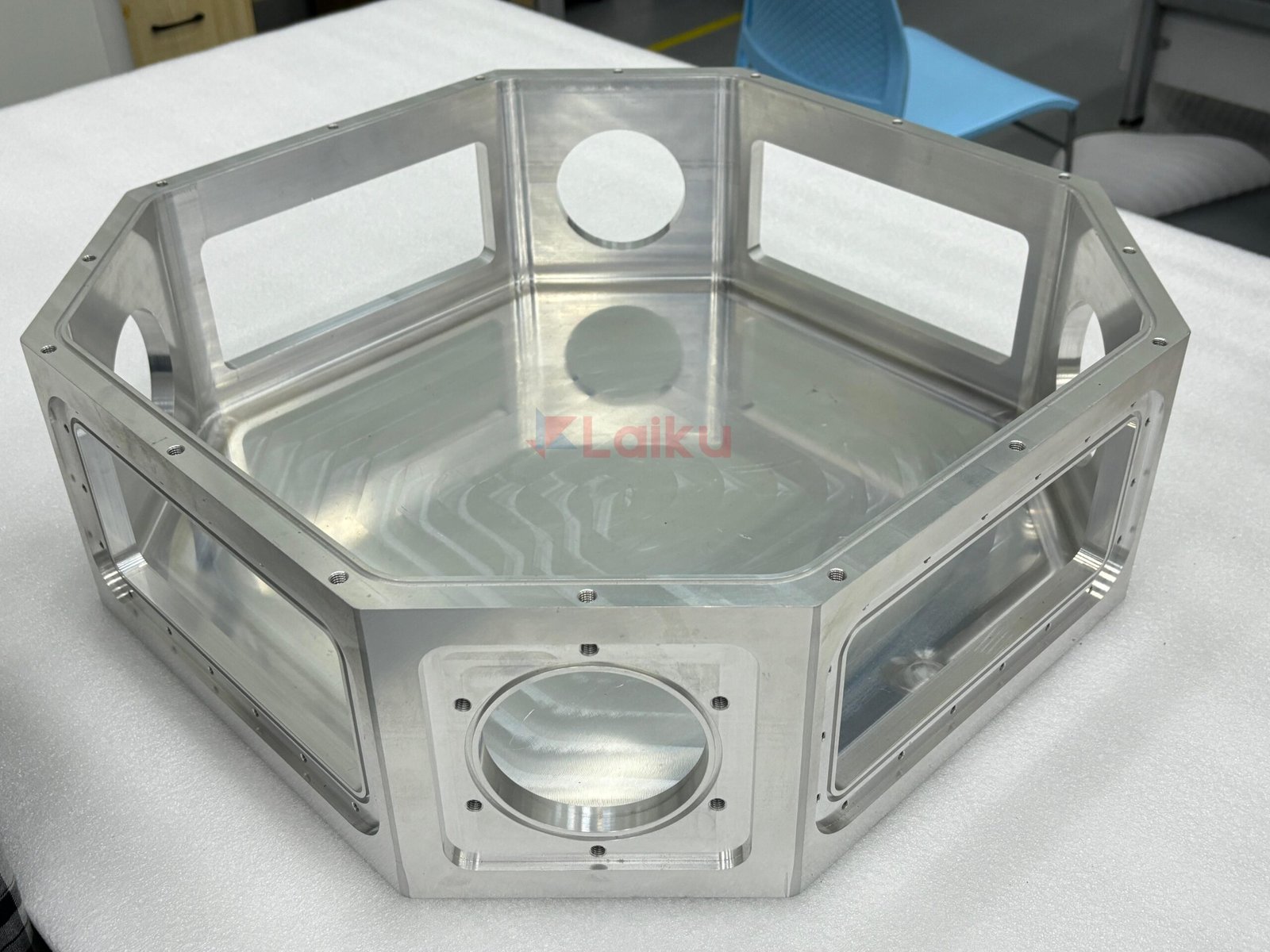
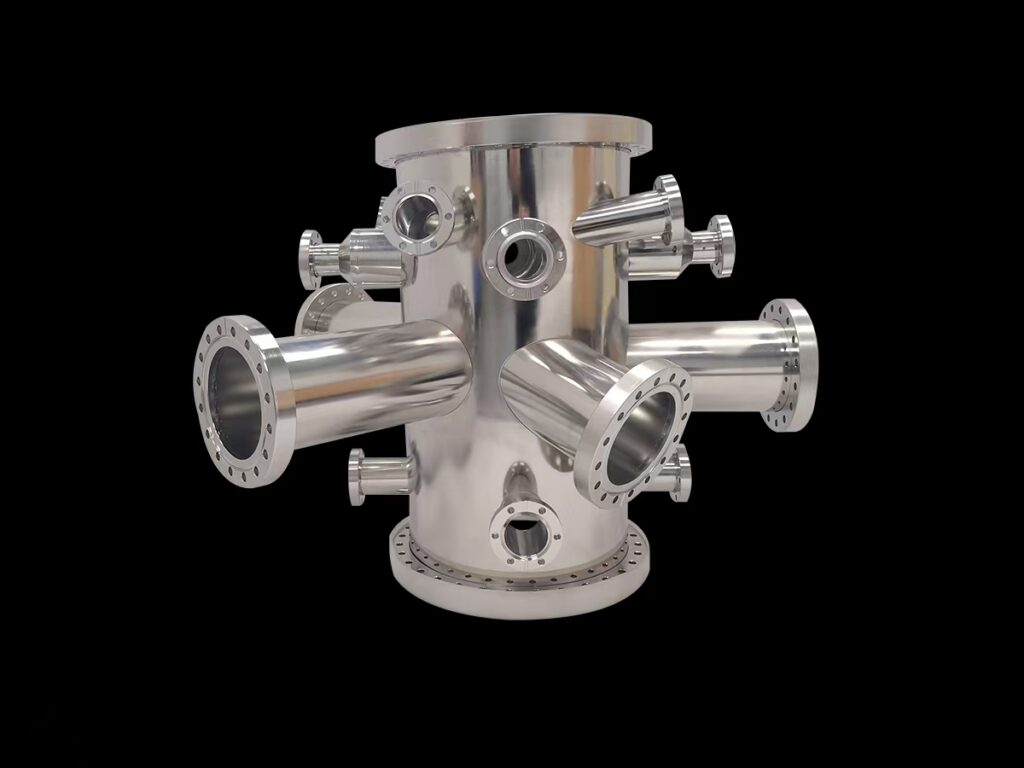
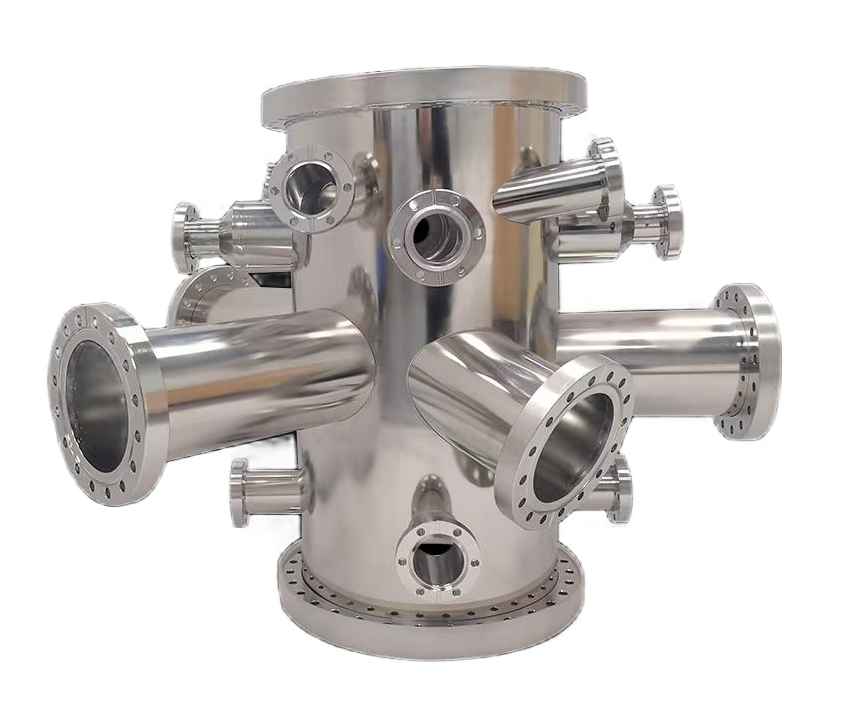
Sealing should be considered alongside chamber construction for demanding applications. Laiku manufactures custom vacuum chambers and components for advanced equipment, with processes that include precision machining, welding, inspection, cleaning, and leak detection.
Vacuum Chamber Sealing Fundamentals
The right seal begins with the conditions inside the chamber. Pressure, temperature, access frequency, and material compatibility all influence the choice. Let's explain how common sealing options work and where each approach fits best in practical vacuum systems.
Why Sealing Matters
A vacuum system depends on leak-tight connections. Even a small leak can introduce enough gas to make reaching the target pressure difficult. Seal materials can also contribute to outgassing, increasing the chamber's gas load and extending pump down time.
That makes the sealing interface just as important as the pump and chamber itself. Laiku's custom vacuum chamber manufacturing capabilities address chamber construction and precision interfaces for specialized vacuum equipment.
How O-Ring Seals Work
ISO-KF connections commonly use elastomer O-rings positioned inside a centering ring between two mating flanges. A clamp holds the assembly together and compresses the O-ring to create the vacuum seal.
This design is practical when operators regularly need to open a chamber or connection. The O-ring can generally be inspected and replaced without the more involved gasket replacement associated with CF assemblies. However, its temperature and chemical limits depend on the selected elastomer.
Where Elastomer Seals Fit
Elastomer O-rings for vacuum applications are well suited to systems where convenient access and routine maintenance matter. They are commonly found in low- to high-vacuum equipment when the selected material meets the application's pressure, temperature, and gas requirements.
FKM is one commonly used elastomer for vacuum applications. The specific O-ring should always match the manufacturer's pressure and temperature specifications rather than being selected solely by flange size.
When Metal Seals Make Sense
Metal gasket seals become more useful when elastomers cannot tolerate the required temperature, vacuum conditions, or bakeout process. Copper is especially common in CF systems because it deforms under the knife-edge load and fills small surface imperfections.
Metal sealing also removes an elastomer from the sealing interface. That can be valuable in demanding applications where low outgassing and high-temperature performance are important.
Pressure and Temperature Requirements
Pressure should be established before selecting the seal. A connection suitable for conventional high vacuum may not provide the performance required for ultra-high vacuum.
Temperature matters just as much. Planned bakeout can rule out some elastomers, while compatible metal-sealed assemblies can tolerate substantially higher temperatures.
Cleaning chemicals, process gases, opening frequency, and acceptable leak rates should also be considered before final selection.
Comparing KF, CF, and Metal Seals
Once the operating conditions are clear, comparing connection types becomes easier. KF systems prioritize practical access and serviceability, while CF systems focus on demanding vacuum performance and metal sealing. The table below provides a quick comparison before the individual differences are explored.
| Feature | ISO-KF | ConFlat (CF) |
|---|---|---|
| Typical seal | Elastomer O-ring | Copper metal gasket |
| Connection style | Clamp-based | Bolted flange |
| Common use | Low to high vacuum | High vacuum and UHV |
| Service access | Quick to open | More involved |
| Bakeout | Limited by elastomer | Suitable with compatible components |
| Gasket service | O-ring may be reusable if suitable | Copper gasket normally replaced |
KF connections are often preferable when frequent access matters. CF connections are generally better suited to systems that require UHV performance, metal sealing, and high-temperature bakeout.
When comparing high-vacuum sealing methods, consider the complete operating environment. A frequently serviced research chamber may benefit from KF fittings, while a baked UHV system may require CF connections.
Laiku's vacuum chamber manufacturing services are relevant when specialized chamber dimensions, interfaces, materials, and vacuum requirements must be considered together.
Selecting and Maintaining Vacuum Seals
Good sealing does not end when the flange is tightened. Proper material selection, clean assembly, inspection, leak testing, and outgassing control all contribute to reliable vacuum performance. These practical checks are especially important when a chamber must maintain demanding high-vacuum or UHV conditions.
Start With Operating Conditions
Begin with the target pressure and acceptable leak rate. Then establish the operating temperature, bakeout requirements, process gases, cleaning procedures, and how often the connection will be opened.
If there are ultra-high vacuum seals, the requirements become stricter because small leaks and contamination can affect final pressure. CF metal seals are commonly selected for these demanding environments.
Consider Chamber Materials
Chamber materials influence outgassing, thermal behavior, corrosion resistance, and cleaning requirements. Stainless steel, aluminum, copper, titanium, and other materials may suit different applications.
The sealing method should therefore be considered alongside the chamber material and surface finish. A well-designed seal cannot compensate for poor chamber preparation or unsuitable materials.
Inspect Before Pump Down
Before starting the pump, inspect the sealing surfaces and hardware. Small defects can become major problems once the system is under vacuum. Here is what you need to check:
- Keep flange faces and sealing parts clean.
- Check O-rings for cuts, deformation, or contamination.
- Inspect CF knife edges before installing copper gaskets.
- Use the specified hardware and assembly procedure.
- Confirm that seals are suitable for the operating conditions.
- Leak-check the assembly when verified vacuum integrity is required.
Verify With Leak Testing
Leak testing provides evidence that the assembled chamber actually meets its required sealing performance. Helium mass spectrometry is commonly used for sensitive vacuum leak detection.
Laiku reports using helium mass spectrometry leak detection alongside dimensional inspection and other verification processes for vacuum components. Its semiconductor manufacturing solutions provide additional information on these capabilities.
Control Outgassing and Maintenance
A chamber can be leak-tight and still struggle to reach its target pressure because of outgassing. Trapped moisture, residues, unsuitable materials, and contaminated surfaces can release gas after pump down begins.
Knowing why your chamber won't reach the target pressure is vital. Regular inspection also helps identify worn O-rings, damaged sealing surfaces, and other problems before they affect chamber performance.
Takeaway
Effective vacuum chamber sealing starts with the chamber's pressure, temperature, materials, and service requirements. O-rings provide practical access for many KF systems, while CF flanges and copper gaskets suit demanding high-vacuum and UHV applications.
Matching the sealing method to the complete system helps maintain reliable performance, cleaner pump-down, and easier maintenance. Get in touch with Laiku for further assistance and guidance.