

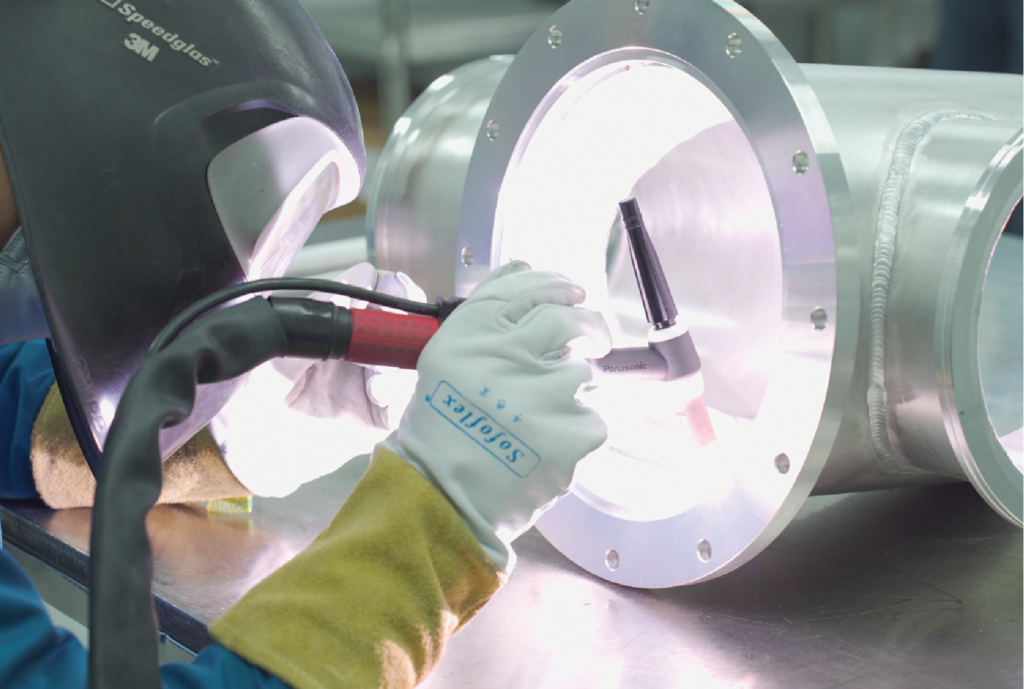

You send your drawings to a vacuum chamber manufacturer, receive a quote, and place the order. Weeks later, a question comes back that changes the price or pushes the delivery date.
It is an easy situation to end up in.
Usually, the problem is not that someone forgot how to machine or weld a chamber. The problem started much earlier: an important requirement was unclear, a drawing did not tell the whole story, or you and the manufacturer understood the same sentence in two different ways.
The easiest way to avoid that situation is to give your manufacturer the right information before production starts and make sure you both agree on what will be delivered.
For most custom vacuum chamber projects, that comes down to four things: explaining what the chamber will be used for, clearly defining your requirements, understanding how the manufacturer will make it, and agreeing on how the finished chamber will be accepted.
Tell Them What the Chamber Is For
A drawing tells the manufacturer what you want made. It does not always explain why a certain feature is there, and that context matters more than it looks.
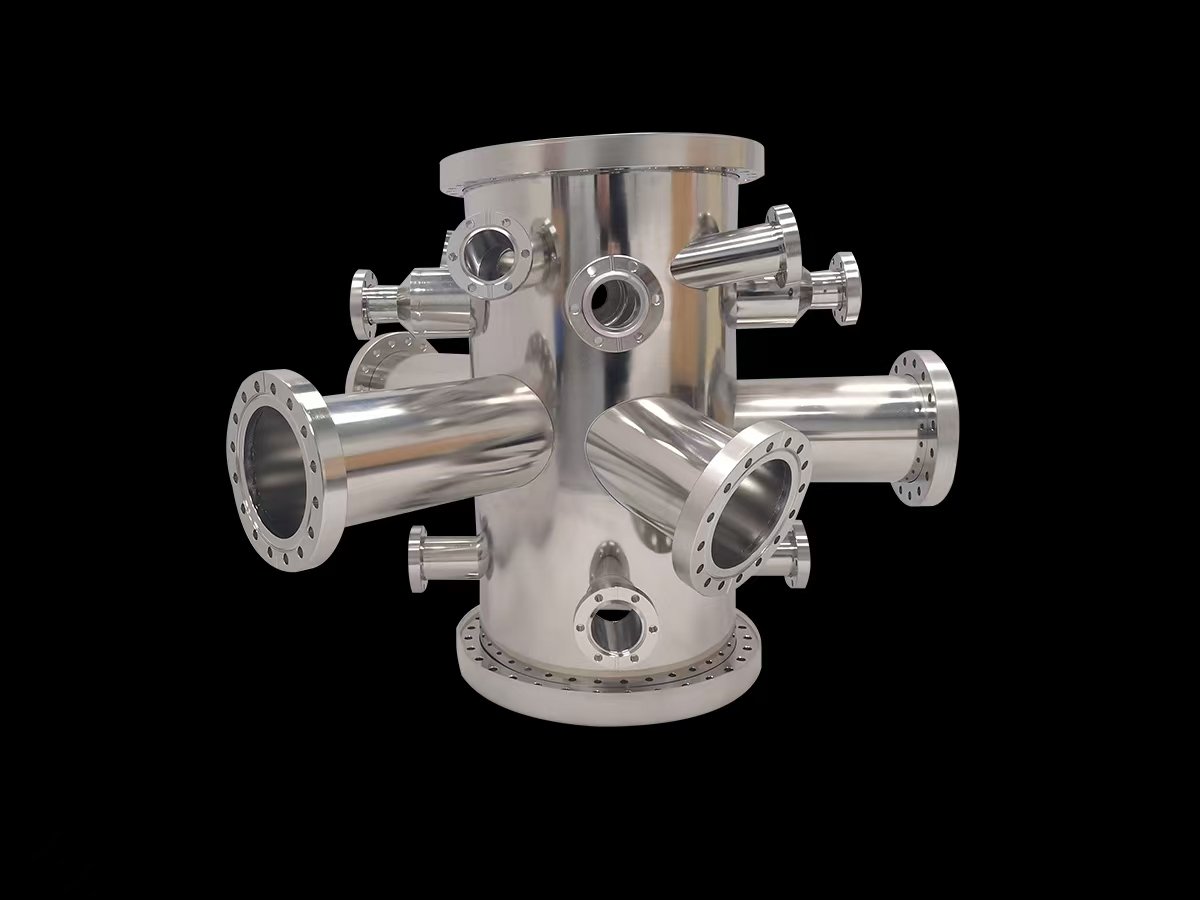
Imagine your drawing shows several ports around the chamber wall. The manufacturer can machine those ports exactly as shown. But if you also explain that one is for a viewport, another carries a sensor, and another needs regular service access, the manufacturing team has a much better picture of what matters during production.
So before you send an RFQ, explain the job the chamber needs to do. Tell the manufacturer what goes inside, what happens during a normal cycle, and whether the chamber will be exposed to heat, process gases, coatings, frequent opening, or other operating conditions.
You should also explain what the chamber connects to. That may include pumps, process equipment, transfer systems, frames, feedthroughs, or other assemblies. And if one requirement absolutely cannot change, say so early.
It could be the overall footprint because the chamber has to fit into existing equipment. It could be the installation date. It could be a pressure requirement or a fixed material specification.
Once the factory knows which points are non-negotiable, it can review the job without having to guess which details you might be willing to adjust.
It also helps to mark what is final and what is still being discussed on your side. Perhaps the material grade is fixed, but the finish is not. Maybe the geometry is settled, while the manufacturing method for one feature is still open. Make that distinction visible instead of leaving the factory to work it out.
The manufacturer can explain what is practical to produce but the final design decision remains with you.
Write It So It Can Only Be Read One Way
Words such as high vacuum, smooth surface, or leak tight sound clear until two people interpret them differently. For a custom chamber project, important requirements should be measurable wherever possible.
Instead of saying that you need "high vacuum," state the target base pressure and the units.
Instead of writing "must be leak tight," specify the acceptable leak rate, the test method, and any test conditions that matter. The same principle applies to temperature, materials, ports, surface finish, and tolerances.
Table 1: Vague requirements against measurable, quote-ready requirements
| Requirement | Vague input | Clearer input |
|---|---|---|
| Application | Vacuum chamber for research | What the chamber is used for and what happens during each cycle |
| Base pressure | High vacuum | Target pressure with units |
| Leak requirement | Must be leak tight | Maximum acceptable leak rate and test method |
| Temperature | Room temperature | Operating range and whether bakeout will be used |
| Material | Stainless steel | Exact stainless-steel grade and certification requirements |
| Ports | Several ports | Type, size, position, and purpose of every port |
| Surface finish | Smooth inside | Required finish and how it will be measured |
| Documentation | Standard documents | Exact reports and certificates required at delivery |
Send a Complete File Set
A 3D model is useful, but it normally does not contain everything a manufacturer needs.
Your 3D model shows geometry. Your 2D drawing carries information such as dimensions, tolerances, surface finish requirements, weld notes, and inspection details. A bill of materials can cover material and component information that is not obvious from the geometry alone.
Send these files together rather than piece by piece, and keep them on the same revision.
If your 3D model says Revision C while the drawing still says Revision B, production cannot safely assume which one is correct. Someone has to stop and ask, or an assumption gets made. Both cost time and a simple revision-control habit can prevent a surprising amount of confusion.
Use Tight Tolerances Where They Actually Matter
It is tempting to make tolerances as tight as possible because tighter sounds better. However, in manufacturing, tighter often means more work.
For example, a very tight flatness requirement may require additional machining after welding. If that tolerance is necessary for a sealing surface or another functional feature, the added work makes sense.
If it is not necessary, you may simply be adding cost and lead time. Mark functional dimensions clearly and distinguish them from reference dimensions. That helps the manufacturer focus its manufacturing effort where it actually affects chamber performance.
Ask the Factory What It Can and Cannot Do

Good communication should not stop once you send the drawings. You also need information from the manufacturer. Start by asking how the chamber will be made, not only whether it can be made.
Which steps are involved: machining, welding, surface treatment, cleaning, assembly, inspection, helium leak testing? Then ask which of those processes are handled in-house and which are outsourced. This gives you a clearer idea of who controls the schedule and where delays could occur.
You should also ask which features in your drawing are likely to have the biggest impact on cost or production time. An unusual port angle, difficult weld access, special material, or extremely tight tolerance may look like a small detail on a drawing but become a major manufacturing step on the shop floor.
A capable manufacturer should be able to point those things out. That does not mean the manufacturer redesigns your chamber. You remain responsible for the chamber design and drawings.
What the manufacturer can do is review the drawings for manufacturability and tell you where it sees production risks, difficult features, or assumptions that need to be confirmed.
Ask for those comments in writing before the order is released. It is much easier to deal with a question while everyone is still looking at drawings than after material has already been cut.
Agree What "Finished" Means Before Anything Is Cut
One of the worst times to discover that you and your supplier have different definitions of "acceptable" is when the chamber arrives. Acceptance criteria should therefore be agreed before manufacturing begins.
Try to write acceptance requirements as tests rather than descriptions. "Leak tight" is a description.
"A maximum leak rate of X, verified using the agreed test method and recorded in a test report" is something both sides can check. Use the same approach for dimensions, surface finish, cleanliness, and other critical requirements. Also agree on the paperwork you expect to receive.
Depending on your project, this might include:
- material certificates;
- dimensional inspection reports;
- helium leak test reports;
- welding records;
- cleaning records;
- surface treatment documentation.
Do not wait until shipment to ask whether these documents are available. Some records have to be collected while the chamber is being produced. It also helps to agree on checkpoints during the project.
For example, you may have a drawing confirmation before production, a progress check during fabrication, and a final inspection before shipment.
If something changes after approval, record the change in writing. State what changed, which drawing or document is affected, and whether the change affects cost or delivery. A quick phone call can solve a problem, but the agreed change should still end up in writing afterward.
Working With a Supplier in Another Country
Distance does not automatically make a custom chamber project difficult, but it makes informal communication less reliable. A few simple habits carry most of the weight. Agree on units and reference standards at the start.
Give each side one main technical contact. Keep a regular written project update instead of relying entirely on calls and instant messages. After an important call, summarize the decisions in writing.
You can also agree on photographs at major production stages. When you cannot walk through the factory yourself, progress photos give you a simple way to see that the project is moving as expected. Packaging deserves attention as well.
A chamber may leave the factory clean and pass inspection, but poor protection or handling during transport can still create problems when it arrives. Agree on packing and preservation requirements in advance, along with the checks your team will perform after delivery.
Building With a Manufacturer Who Communicates
At LAIKU, custom vacuum chambers are manufactured according to customer-provided drawings and specifications. Before production, the team reviews the supplied drawings from a manufacturability perspective and raise questions where manufacturing details need clarification.
Our production capabilities include CNC machining, welding, surface treatment, assembly, inspection, and helium leak testing. LAIKU's role is manufacturing, not creating your chamber drawings.
You provide the design; the factory focuses on turning that design into a finished chamber that meets the requirements agreed for the order.
If you are preparing a custom vacuum chamber project, send your drawings and requirements to LAIKU for review and quotation. You can request a quote or contact the team to start the conversation.
Conclusion
Most communication problems in a custom vacuum chamber project begin with something small. A unit is missing. One port was never fully specified. The latest 3D model gets sent with an older drawing. Or everyone agrees the chamber should be "leak tight," but nobody wrote down what that means in a test.
Those small gaps become expensive once production starts. You can avoid many of them by giving your manufacturer the context behind the chamber, writing important requirements in measurable terms, asking how the chamber will be manufactured, and agreeing on acceptance before fabrication begins.
The drawings remain yours and the manufacturing remains the supplier's job. When both sides are working from the same information, there is simply less left to sort out once the job reaches production.
FAQs
What information does a vacuum chamber manufacturer need in order to quote?
You should provide the chamber's application, target pressure, leak requirement, operating temperature, material grade, port details, surface requirements, and required documentation. A complete RFQ normally also includes your 3D model, dimensioned 2D drawings, and bill of materials on matching revisions.
Is a 3D model enough, or do I need 2D drawings too?
You should normally provide both. A 3D model communicates the chamber geometry, while a 2D drawing can show tolerances, surface finishes, weld requirements, inspection notes, and other manufacturing information that may not appear in the model.
What should I ask a fabricator before placing the order?
Ask how the chamber will be manufactured, which processes are handled in-house, which features are likely to affect cost or lead time, what testing will be carried out, and what documents will be supplied. You should also ask for manufacturing assumptions and exclusions in writing.
How do I write acceptance criteria for a custom chamber?
Use measurable requirements wherever possible. For example, instead of saying "leak tight," state the acceptable leak rate, test method, test conditions, and required report. Apply the same approach to critical dimensions, surface finish, cleanliness, and documentation.
How do I keep an overseas chamber project on schedule?
Keep one technical contact on each side, agree on units and standards early, use regular written updates, confirm important decisions in writing, and request progress photos at agreed manufacturing stages. Clear revision control is especially important when teams are working across different locations and time zones.
References
[1] AuraVMS, "RFQ Process in Manufacturing: How to Get Competitive Supplier Quotes That Actually Save Money," AuraVMS Blog. [Online]. Available: https://www.auravms.com/blogs/rfq-process-in-manufacturing-competitive-supplier-quotes
[2] Trustbridge, "What Does an Incomplete RFQ Actually Cost in Manufacturing Quote Time?" [Online]. Available: https://www.trustbridge.pro/blogs/post/what-does-an-incomplete-rfq-actually-cost-in-manufacturing-quote-time1


喷淋电极板-scaled-e1787042008638.jpg)