
Introduction
While you cannot perform some kind of testing and processes under normal atmospheric conditions but in a low‑pressure environment. A vacuum chamber perfectly creates this environment. This complete practical guide explores what a vacuum chamber is and everything you need to know about it. Keep reading.
What is a Vacuum Chamber?
You need a certain environment with little or no air to carry out some manufacturing and testing processes. This environment can only be achieved by a vacuum chamber. It helps you create a pressure inside the chamber that is lower than the atmospheric pressure, where you can perform tests and experiments without contaminations.
Major Components of a Vacuum Chamber
Every vacuum chamber consists of essential components. Each component serves a specific purpose in creating and maintaining a stable vacuum environment.
The Vessel (Chamber)
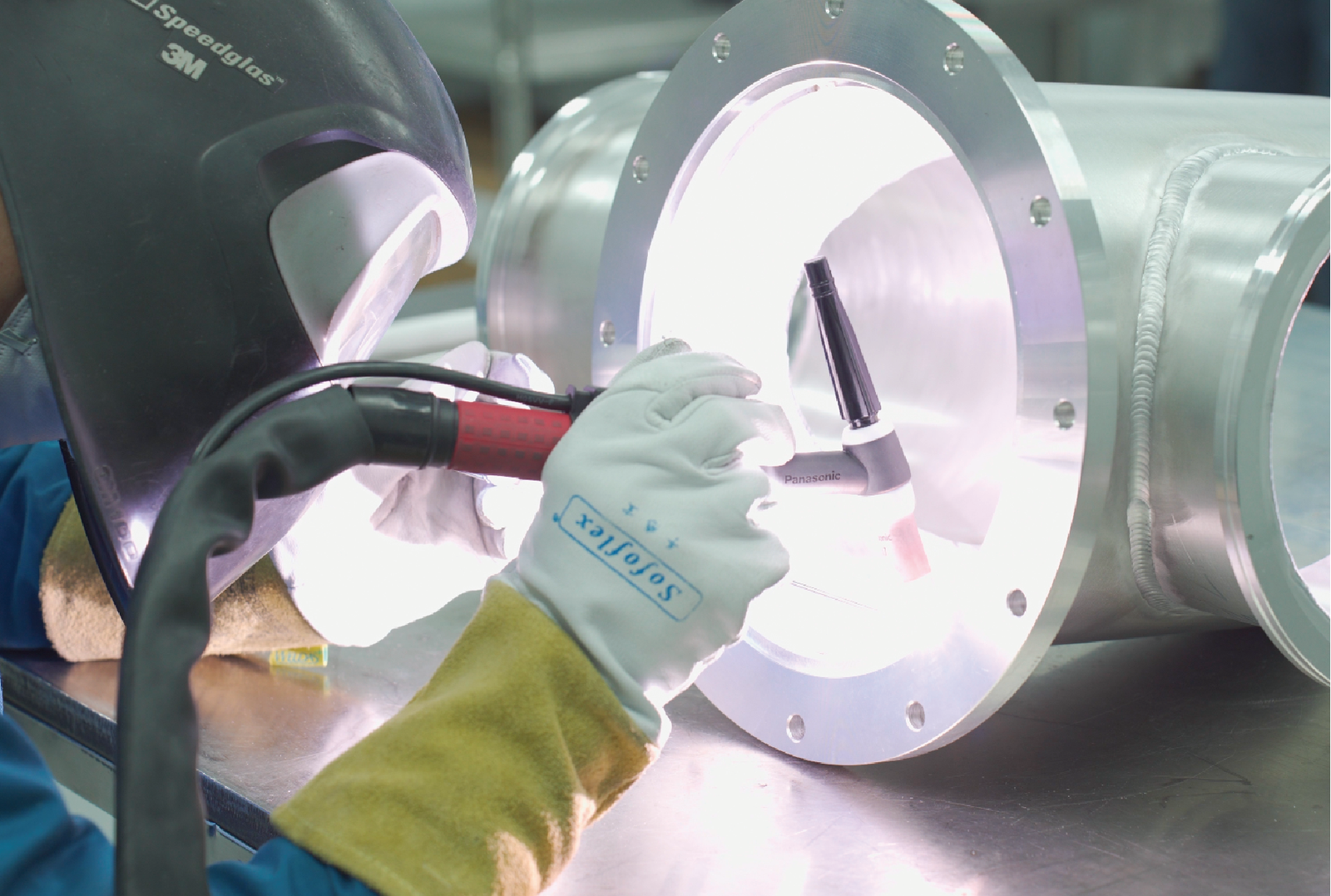
The chamber is the main container where the entire set‑up of the vacuum is created, usually made with aluminum, stainless steel and other materials that can withstand different pressures.
Flanges and Ports
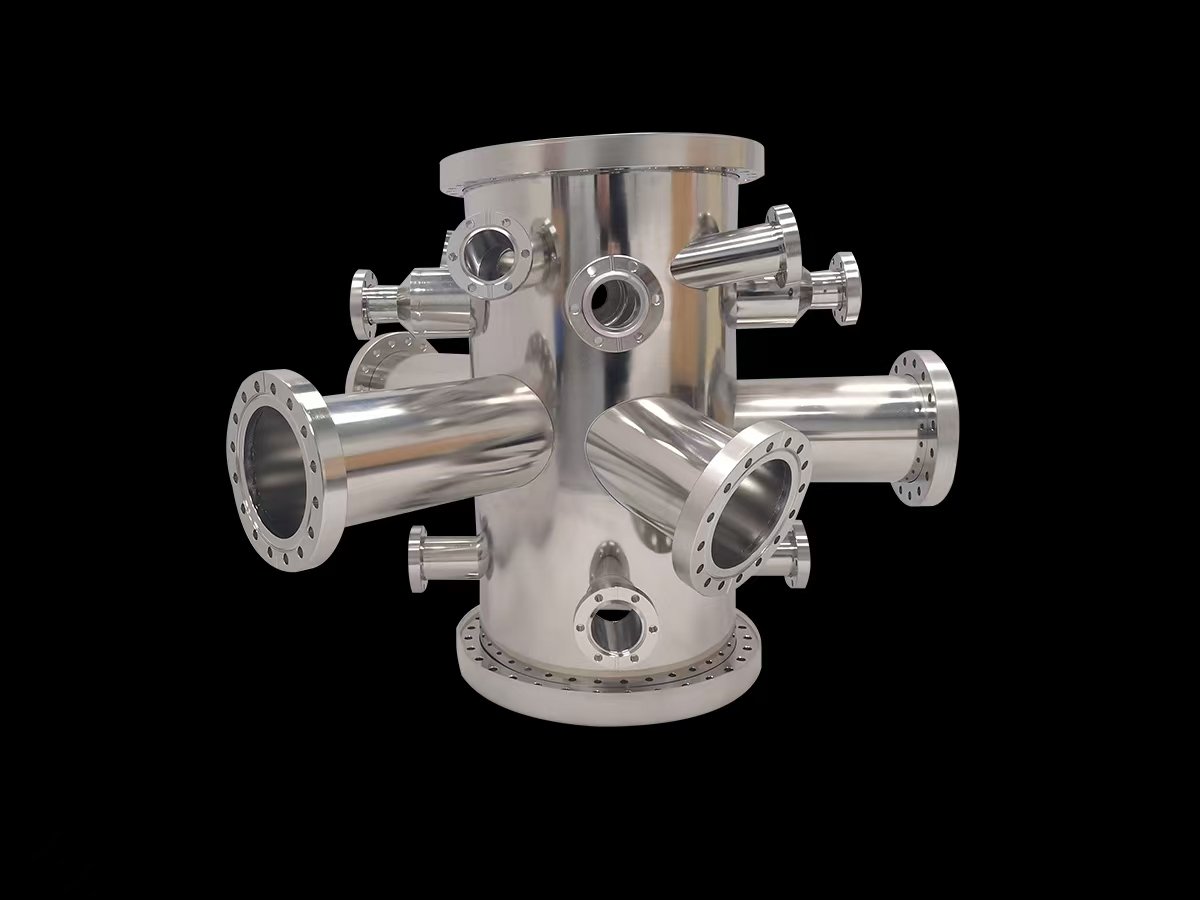
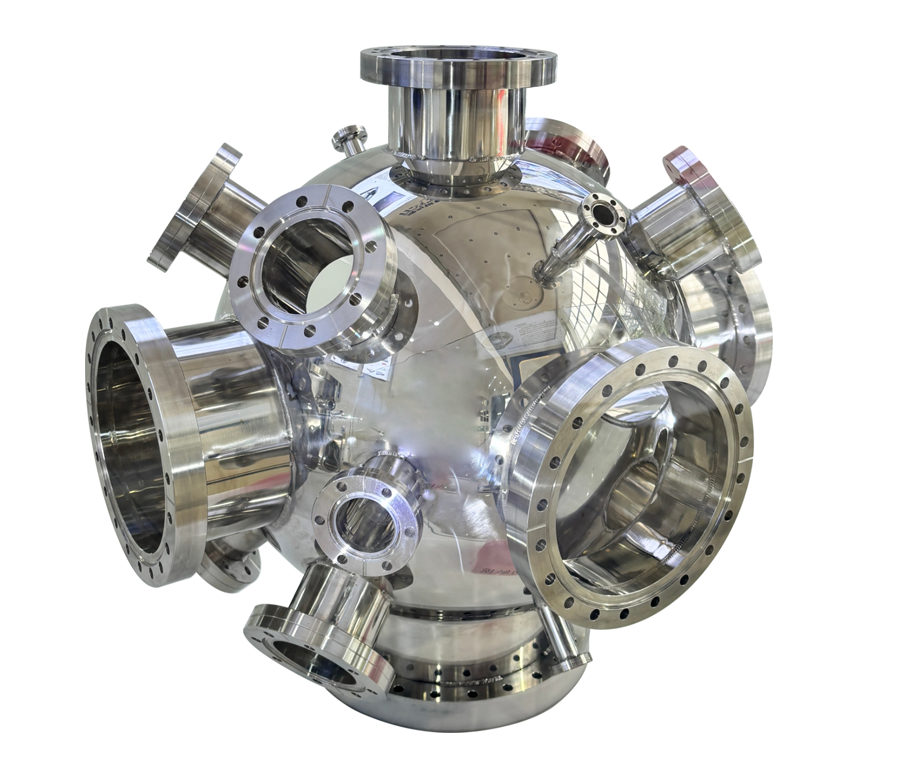
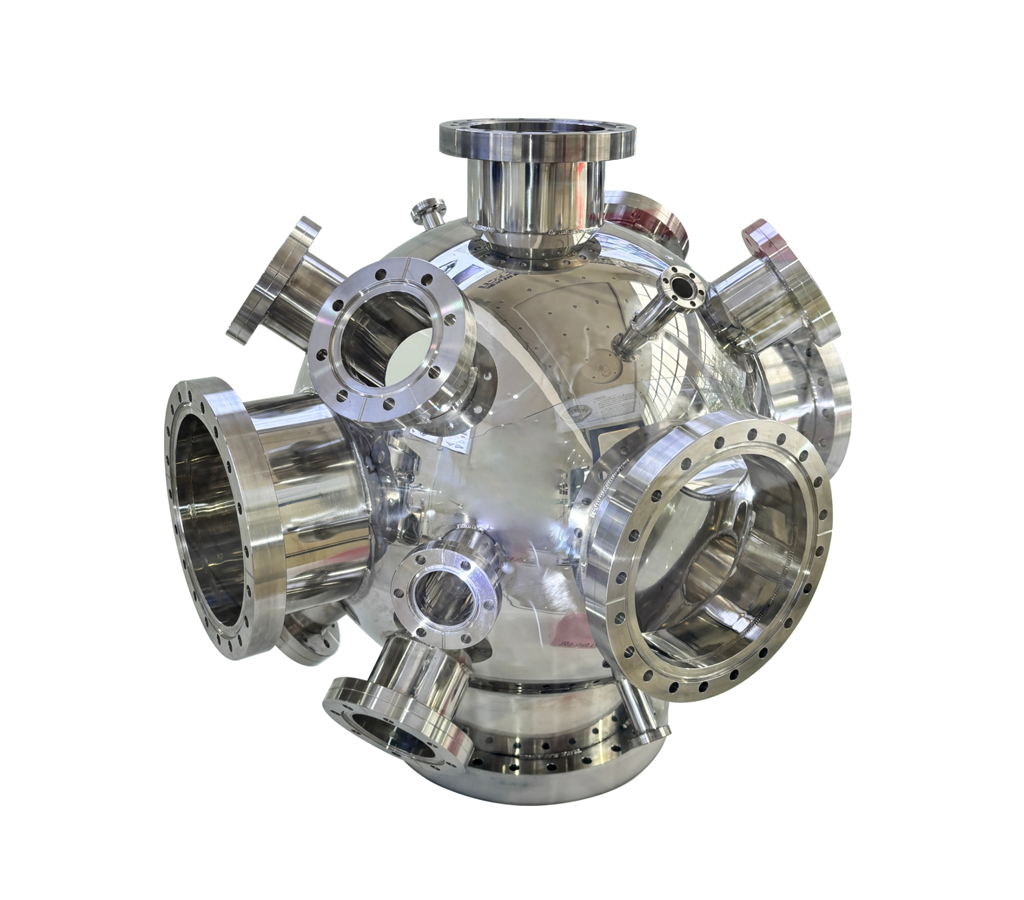
Flanges and ports create points of connection for vacuum pumps, gauges and other equipment.
The Pump
The pump continuously removes gases or air in the chamber until it reaches the required low pressure point.
Valves and Gauges
Valves help you control the air flow and gases of the chamber. While vacuum gauges monitor the pressure inside the chamber.
Gaskets and Seals
Gaskets and seals prevent air from leaking in and out of the chamber.
How Does a Vacuum Chamber Work?
The process begins after the chamber is tightly sealed. Air and other gases are drawn out until the required vacuum level is reached. The low‑pressure environment created inside the chamber allows manufacturing, testing, coating, drying, and other processes to take place under controlled conditions.

Types of Vacuum Chambers
There are various types of vacuum chambers which are either by shape, size or material, let's consider a few below.
Types By Shape
-
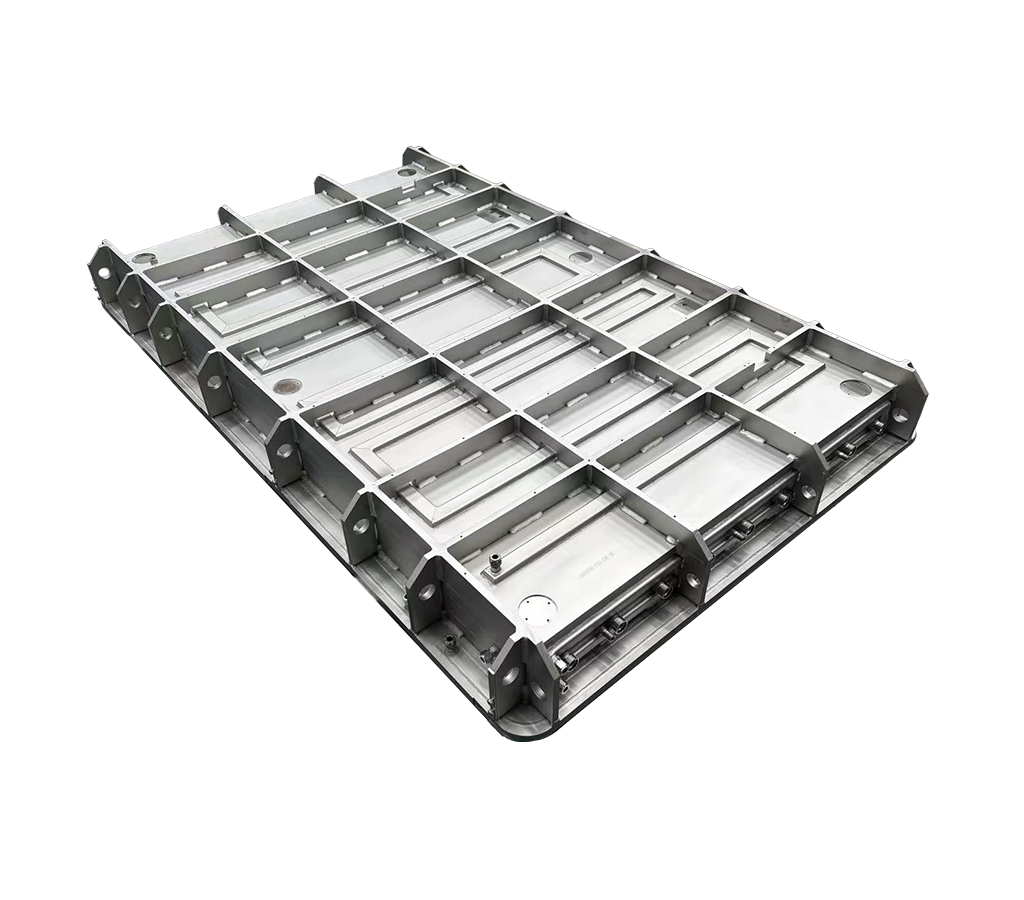
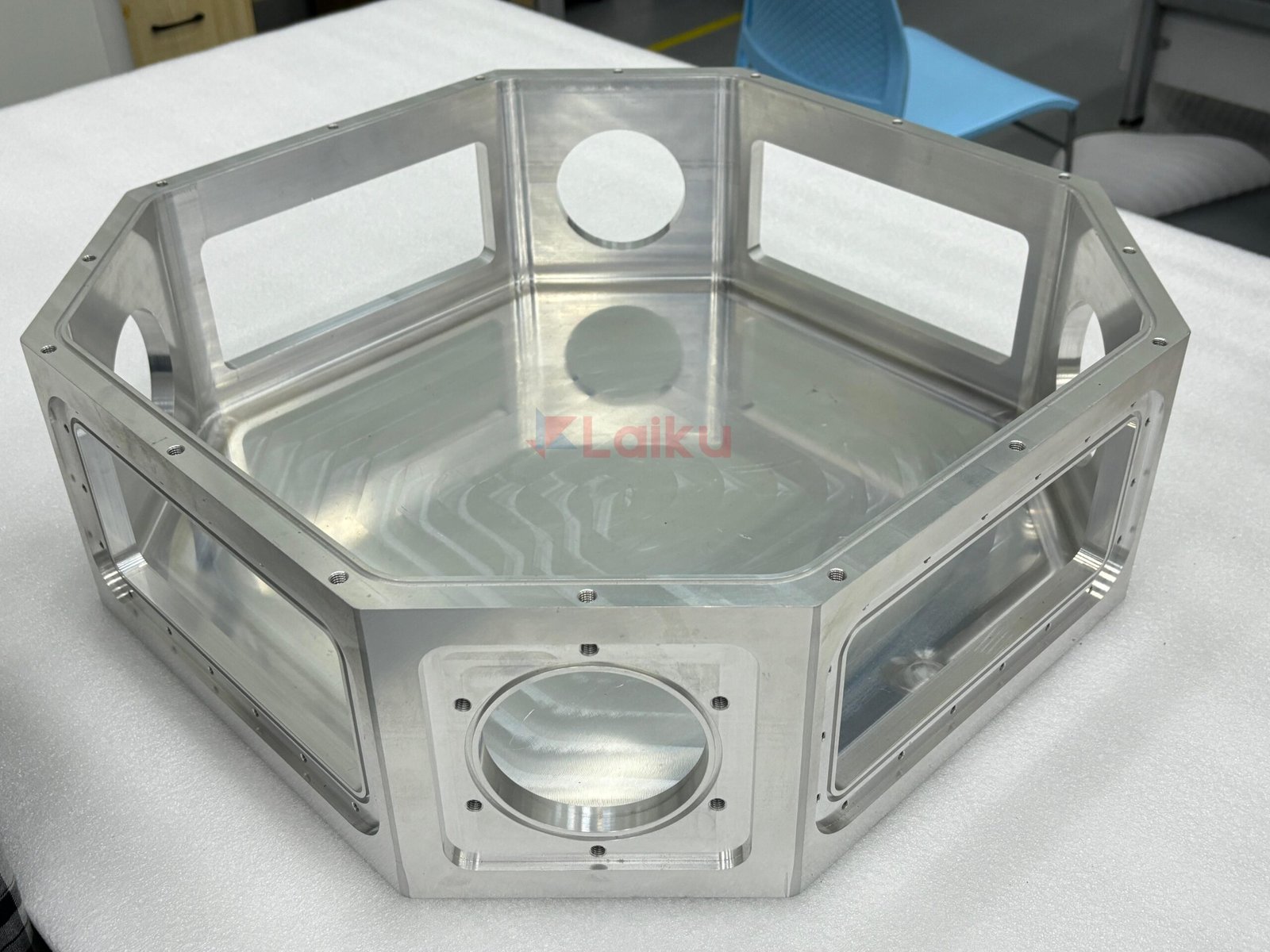
Box Vacuum Chambers: Box vacuum chambers are rectangular shaped chambers that provide more internal space. They are used for laboratory work, electronics testing, and industrial processing.
-
Cylindrical Vacuum Chambers: Cylindrical chambers are widely used chambers. They offer good strength and are suitable for different processes.
-
Spherical Vacuum Chambers: A spherical chamber is known for its distribution of pressure evenly across its surface, suitable for applications that need multiple viewing or instrument ports.
-
Bell Jar Vacuum Chambers: Bell jar chambers have a clear dome placed over a base plate. Commonly used in laboratories, educational facilities, and small scale experiments giving them the privilege of seeing inside the chamber.
Types by Material
-
Acrylic Vacuum Chambers: Acrylic chambers provide a clear view during processing. They are commonly used for light applications, demonstrations, or laboratory testing.
-
Aluminum Vacuum Chambers: Aluminum chambers have light weights, they are resistant to corrosion, and easy to operate. They are often used where lower weight and good thermal conductivity are important.
-
Stainless Steel Vacuum Chambers: Stainless steel chambers offer high strength, excellent resistance to corrosion, and low outgassing. They are the preferred choice for most industries.
Type By Size
-
Benchtop Vacuum Chambers: These compact chambers are designed to carry out research in the laboratories, research facilities, and small scale production where space is limited.
-
Large Vacuum Chambers: Large vacuum chambers are built for oversized components, production equipment, and industrial processes that require a larger working area
Advantages of Using a Vacuum Chamber
Improves Product Quality
During manufacturing and testing vacuum chambers help to remove gas and air thereby improving the quality of product being produced.
Reduces Contamination
The removal of air from the vacuum chamber reduces dust particles, moisture and other contaminants. This provides a better environment for coating testing and laboratory work.
Precise Repeated Results
When the vacuum chamber environment is controlled it becomes easy to get the same results over and over again, which is very important in research and manufacturing industries.
Environmentally Friendly
A vacuum chamber helps prevent the reaction of some materials that react with oxygen or moisture during processing, thereby improving product quality and reducing waste of material, which contributes to a friendly environment.
Applications of Vacuum Chambers Across Industries
Food and Beverage Industry
In the food and beverage industry vacuum chambers are used for the preservation of food through freeze‑drying and other methods to extend food shelf life.
Metallurgy and Aerospace
In metallurgy, vacuum chambers support heat testing, sintering and material processing. In the aerospace sector, they are heavily dependent on creating low pressure environments that simulate the outside space environment.
Semiconductor Industry
Most of the processes in the Semiconductor industry like etching, wafer coating and others require the use of a vacuum space to prevent it from being contaminated by air impurities.
Biopharmaceuticals and Medical Industry
Vacuum chambers are used for vacuum drying, degassing and moisture removal and more during pharmaceutical production.
Research and Development
Vacuum chambers create a reliable and repeatable environment for experiments in academic research and industrial technology development.
How to Choose the Right Vacuum Chamber
Vacuum Degree
Vacuum degree requirements vary by processes, if you are considering a semi‑conductor process or a science research with precision, the first choice to look into should be an ultra‑high vacuum chamber.
Vacuum Size and Shape
You must ensure the size and shape of the selected vacuum chamber perfectly meet the application need and customization of the chambers into different shapes can be done if needed.
Material
The right material, which includes stainless steel, aluminum and high density alloy, affect the stability and durability of the product.
Sealing
Whether the vacuum chamber can reach the needed degree or not is dependent on the seal, the sealing is highly important.
Ease of Installation
Considering the necessity of the vacuum chamber to be attached to different accessories, you need to consider if the chamber's design can be easily adjusted or maintained.
Budget and Cost
A balance must be made between your budget and the cost of the vacuum chamber, vacuum chambers like high and ultra‑high vacuum are expensive.
FAQs
How Often Should A Vacuum Chamber Be Maintained?
Maintenance depends on how often the chamber is used and the application. As a general rule, inspect seals, gaskets, valves, and vacuum gauges regularly. Clean the chamber after use when required, and service the vacuum pump according to the manufacturer's maintenance schedule to keep the system operating properly.
What Is The Difference Between A Vacuum Chamber And A Pressure Chamber?
A vacuum chamber removes air and gases to create a low‑pressure environment inside the chamber. A pressure chamber does the opposite. It is built to hold pressure above normal atmospheric levels for testing, manufacturing, or other industrial processes.
Can Vacuum Chambers Be Customized?
Yes. Vacuum chambers can be customized to match your application. Manufacturers can adjust the chamber size, material, port locations, flange types, viewing windows, internal fixtures, and surface finish to meet your process requirements and available installation space.
Conclusion
Now you know a vacuum chamber is more than just a sealed enclosure, but rather responsible for creating the controlled conditions needed for processes where air and gases cannot affect the final result. Having the knowledge on what vacuum chamber fully entails, choosing the right system becomes much easier.