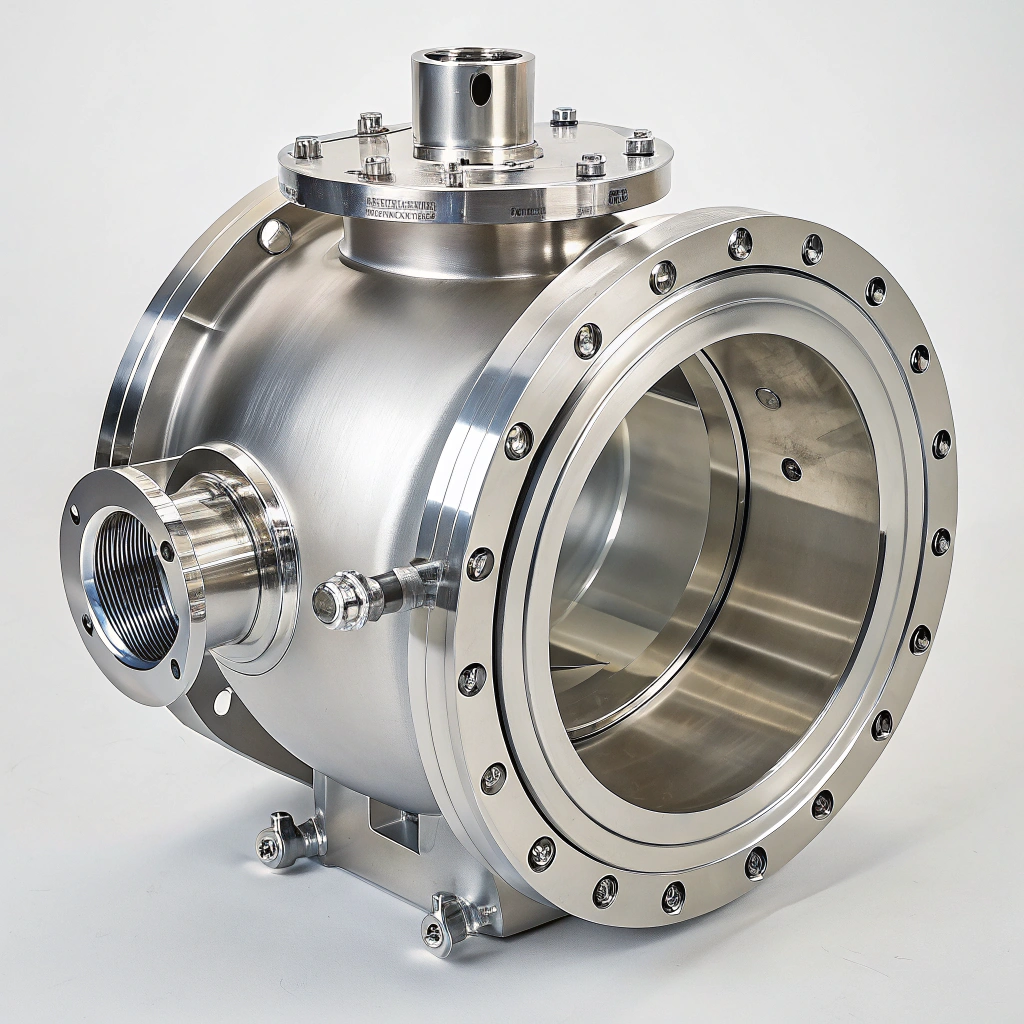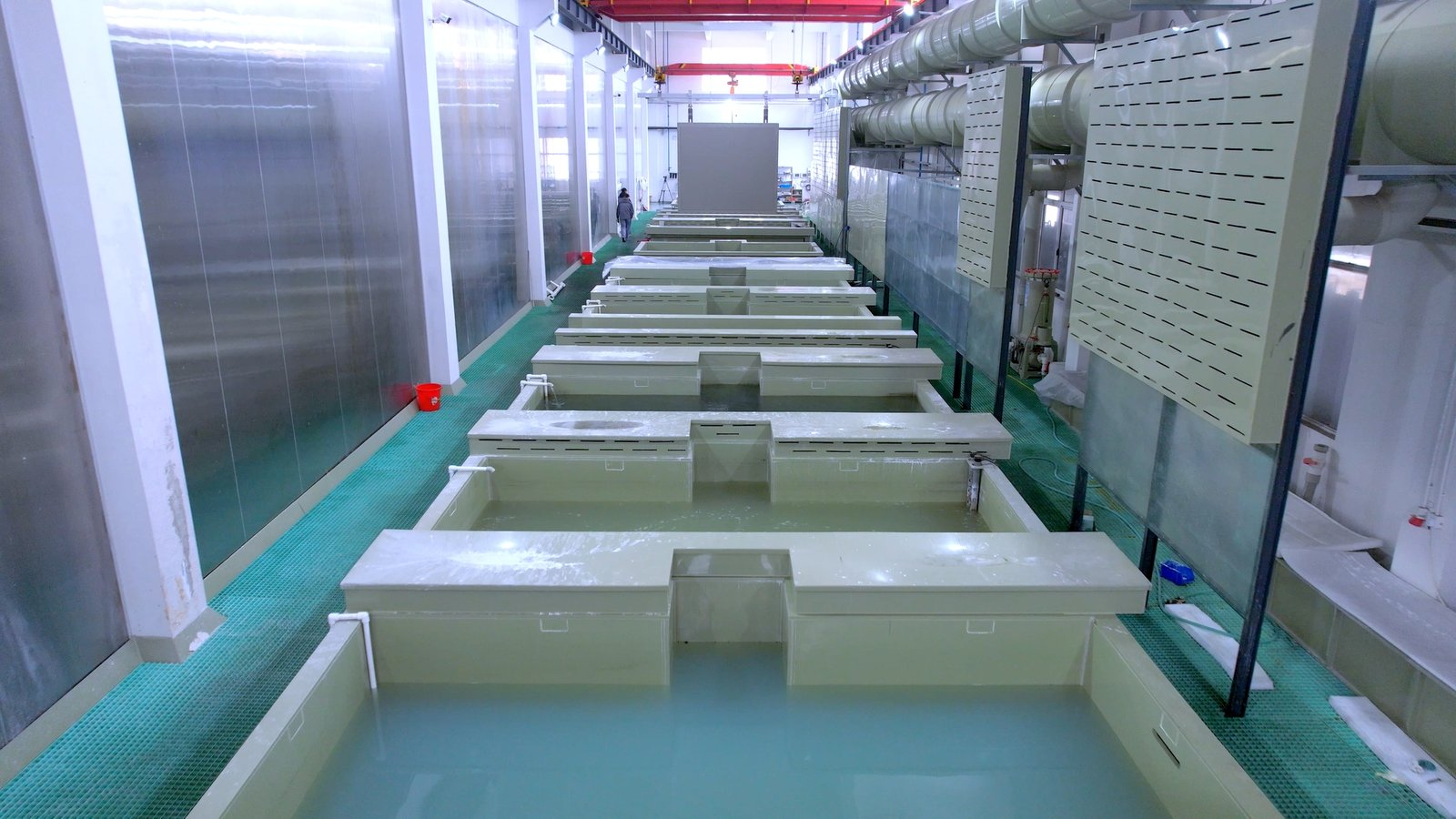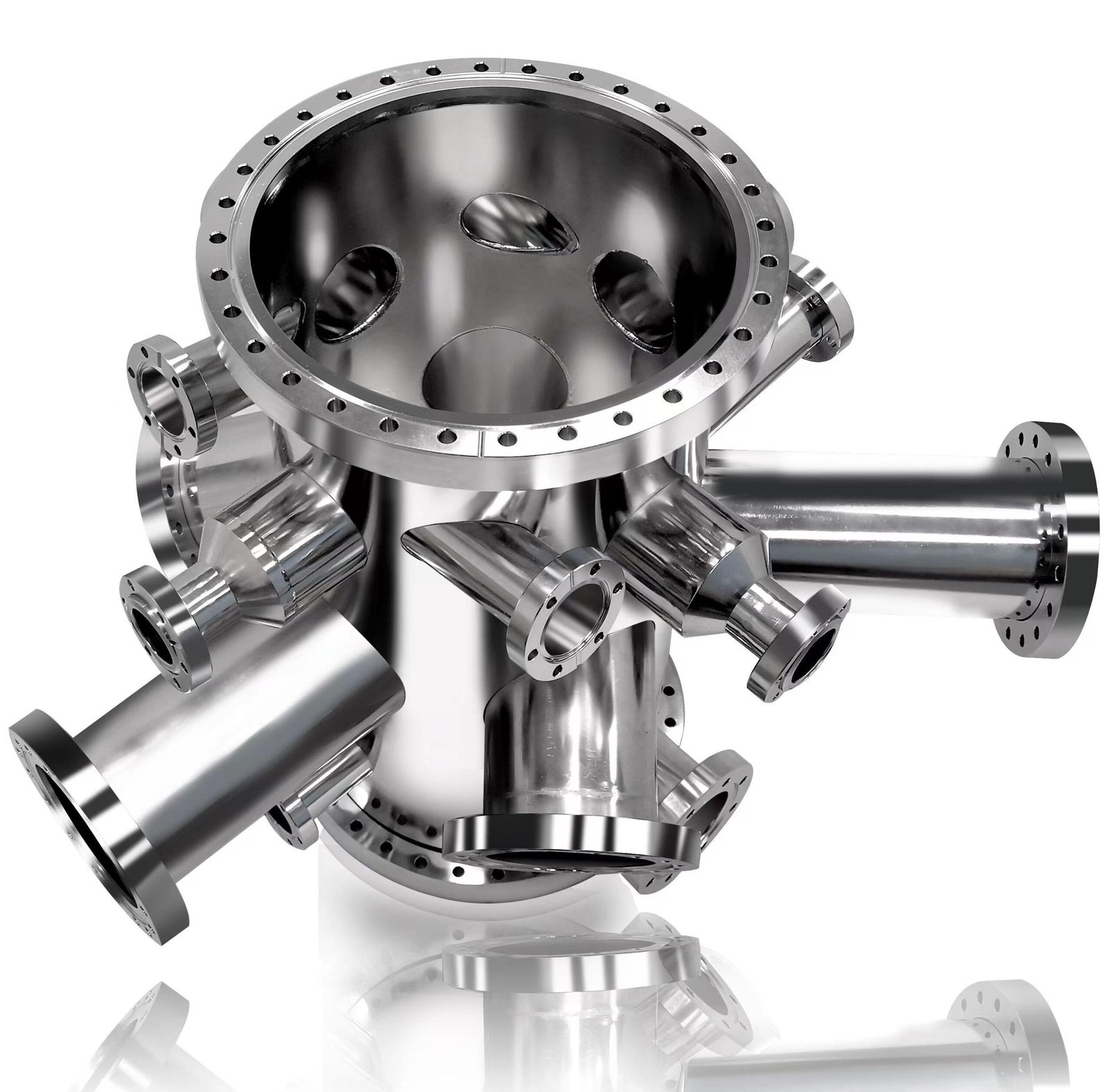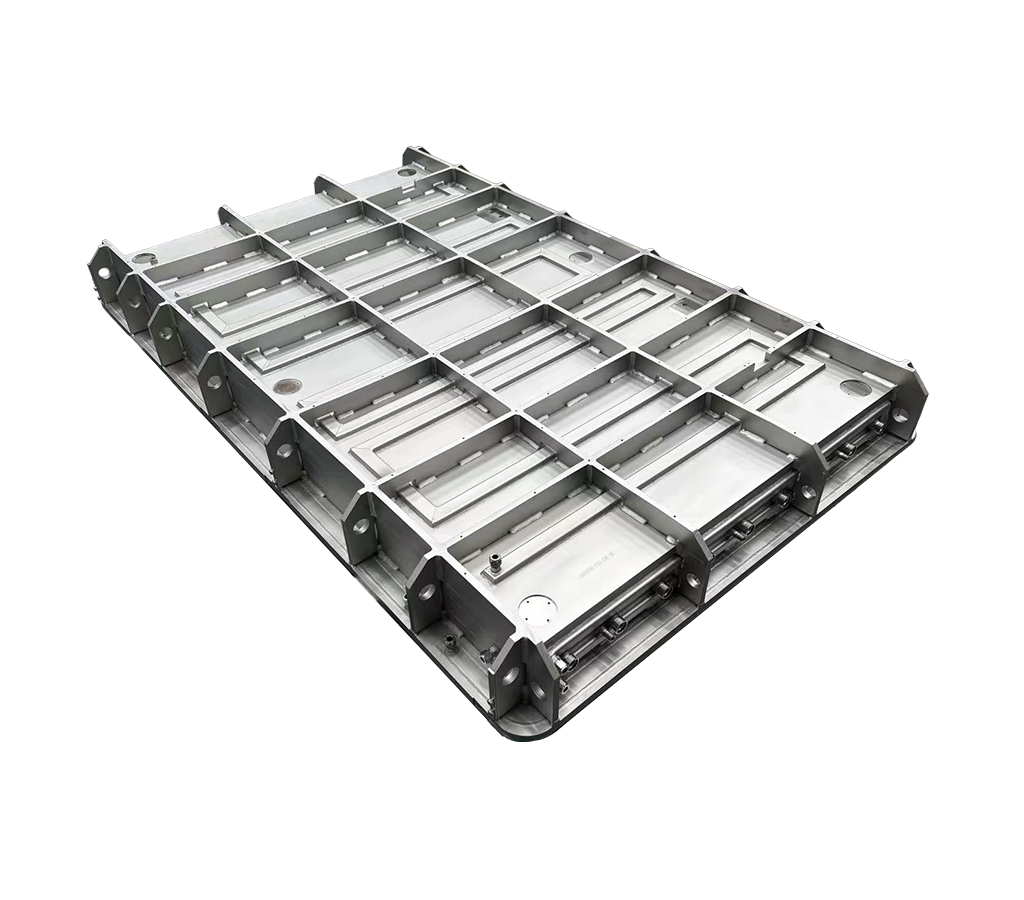

In the ever-expanding world of technology, vacuum chambers hold a pivotal role. Are you curious about the size of this booming market?
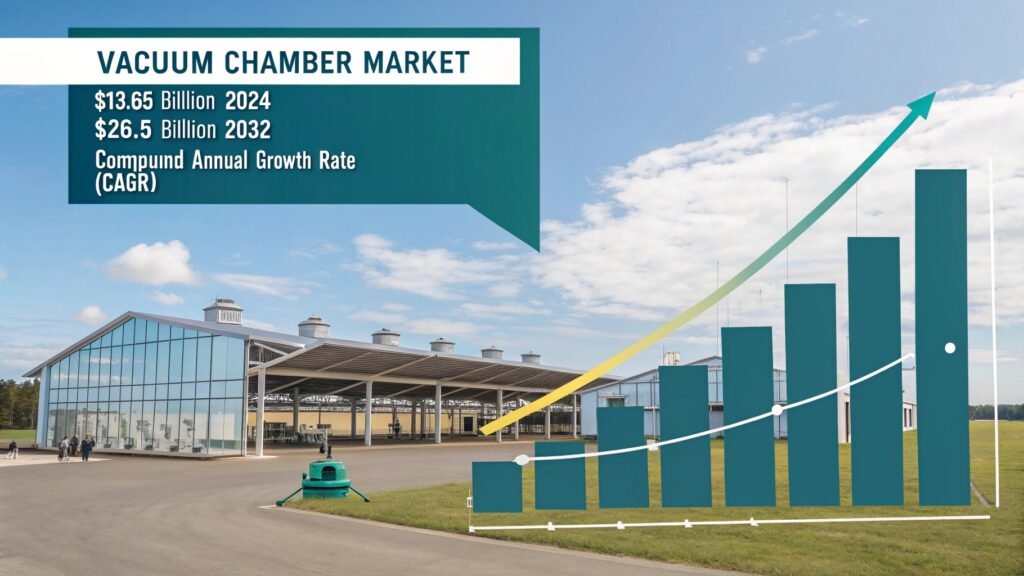
The vacuum chamber market is projected to reach $13.65 billion by 2024, with expectations to surpass $26.5 billion by 2032. It reflects a robust growth trajectory driven by industries like semiconductors, aerospace, and research, maintaining a Compound Annual Growth Rate (CAGR) of around 8.2%.

The market's expansion showcases remarkable opportunities. Let’s delve into the factors fueling this impressive trend.
What Drives the Vacuum Chamber Market's Growth?
Advancements in technology and demand for controlled environments are key growth drivers. Semiconductors, aerospace, and research sectors continuously require sophisticated vacuum chambers.
The rise in demand for precision and advanced manufacturing processes significantly contributes to the vacuum chamber market's growth. Industries need precise environments for innovations and developments, fueling the market's multi-billion dollar trajectory. This growth is not uniform, though. Some reports suggest slightly lower figures, yet the upward trend is undeniable and driven by technological advancements.

Examining Key Market Influences
The semiconductor sector stands at the forefront, utilizing vacuum chambers for critical processes. As technology evolves, so do the demands for precision manufacturing, requiring chambers that can maintain specific atmospheric conditions. The aerospace industry's need for testing components under simulated conditions also plays a significant role, ensuring safety and performance standards. In scientific research, vacuum chambers enable experiments under controlled settings, leading to discoveries and innovations. Collectively, these industries foster a growing demand, pushing the market's boundaries.
How Does the Market's Future Look?
The vacuum chamber market shows promising growth, driven by technology's complexity and innovation. Sustainability and advanced materials will shape future trends.
Moving forward, we anticipate sustainable development practices and innovative material use to shape the vacuum chamber market. With a focus on efficiency and ecological cleanroom solutions, the market is set to expand further. Innovations in design and manufacturing processes will cater to more diverse and demanding applications, ensuring that the market not only grows but thrives in the coming years.

Projections and Trends
Continued investment in technology and manufacturing enhancements plays a vital role in the market's trajectory. As sectors evolve, embracing sustainable and efficient practices becomes essential. The push toward eco-friendly materials and processes is not just a trend but a necessity, ensuring the market adapts to future challenges. The integration of smart manufacturing and AI-driven insights could streamline production, enhancing overall market capabilities.
Conclusion
With robust growth and a trajectory set to surpass $26.5 billion by 2032, the vacuum chamber market reflects a vibrant and expanding industry driven by technological needs and innovations.