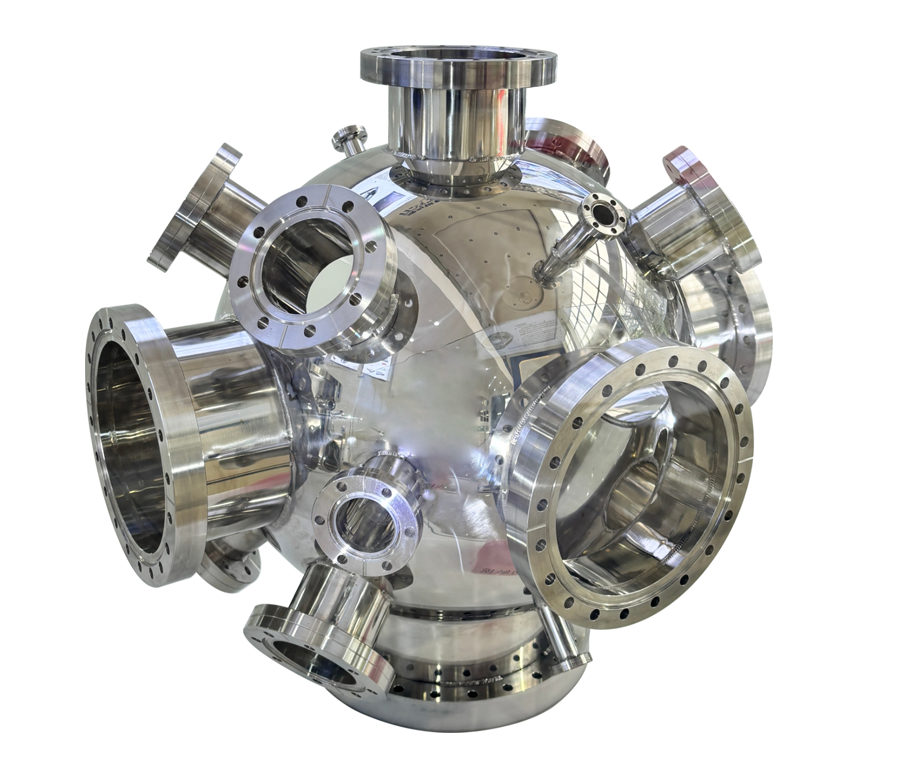

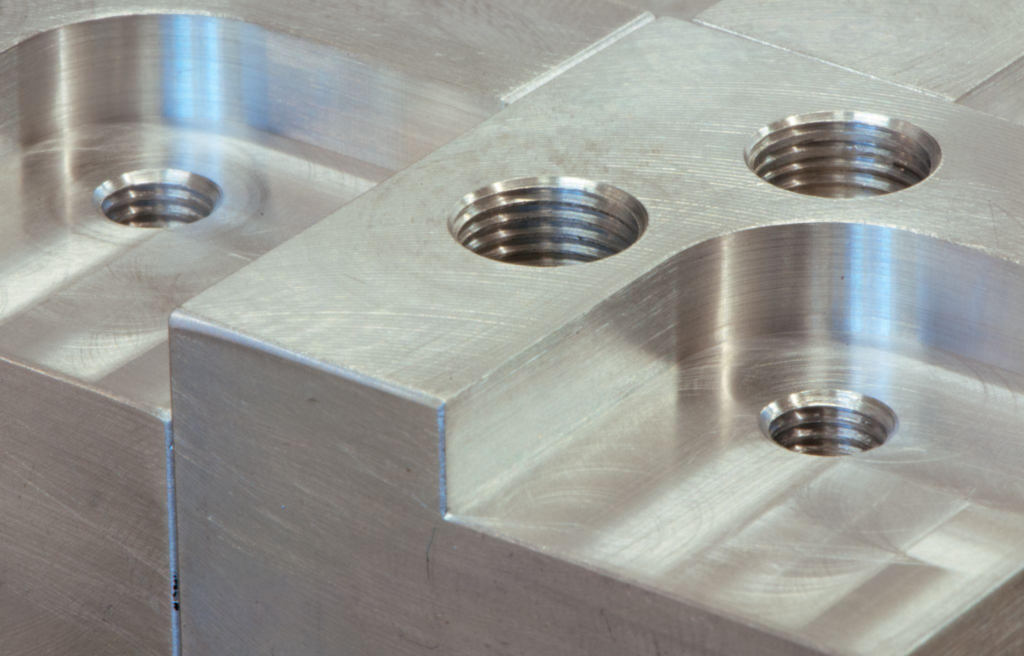
Those perfect wafers and process consistency we know the semiconductor industry for? That's possible because of vacuum chambers that help maintain extremely stable conditions. Yet, these chambers operate in some of the harshest controlled environments in the manufacturing sector. They are continually exposed to plasma, highly reactive gases, and thermal cycling, all of which gradually affect their surfaces.
And before you can notice, even microscopic imperfections end up disrupting processes and increasing contamination levels. Recent data shows particle contamination can account for 30 to 60% of yield losses in certain advanced node processes. That's exactly why manufacturers now consider surface treatment for vacuum chambers vital for improving chamber cleanliness, durability, and long-term vacuum performance.
Read along as we discuss why chamber surface conditions matter and five surface treatment methods that can help improve semiconductor vacuum chamber performance.
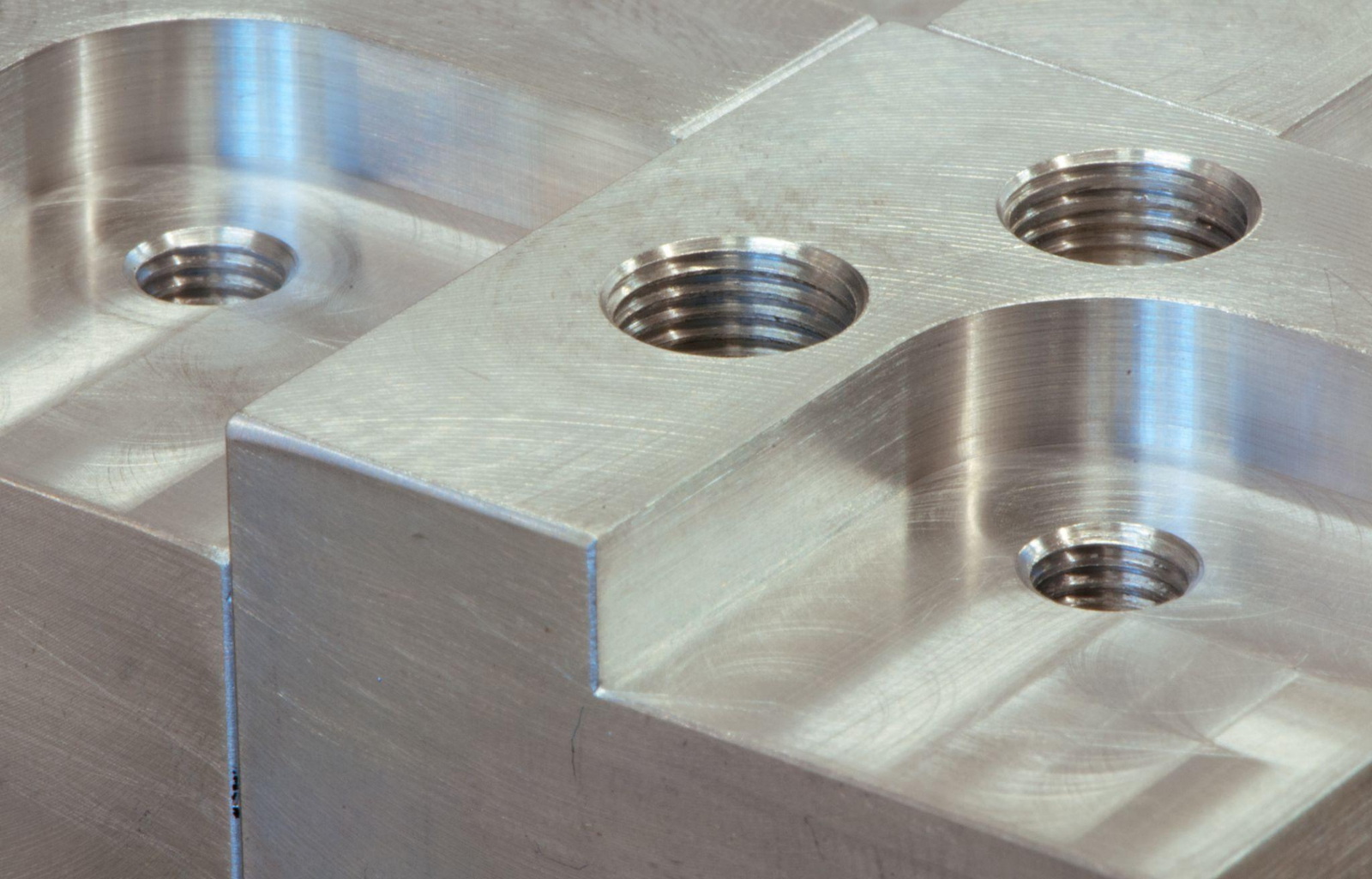
Image Source: Pixabay
Why Chamber Surface Condition Matters in Semiconductor Manufacturing
In vacuum-based semiconductor processes, every little change impacts the overall process. This is because pressure, material temperature, and surface conditions all interact continuously. Here are some reasons why maintaining optimal chamber surface conditions is necessary in semiconductor manufacturing:
Stricter Contamination Control
If you have chambers with rough or untreated surfaces, they can trap particles, moisture, and processing residues inside microscopic surface irregularities. You might not notice it at first, but over time, those particles won't just stay locked in. They eventually get released back into the chamber environment during fabrication processes and impact wafer quality.
Surface treatment can help you reduce these contamination retention points and support cleaner manufacturing conditions.
Better Vacuum Stability
Vacuum stability is not just confined to pumps and gauges. It also depends on what the chamber walls are doing. If your chamber surfaces have weak points that retain gases or moisture, those gases may release slowly during operation and create instability.
Well-treated chamber surfaces can help reduce this behavior and keep the vacuum conditions more stable during sensitive processes like etching or deposition.
Increased Resistance to Harsh Processing Conditions
As semiconductor vacuum chambers are constantly exposed to reactive gases, chemical cleaning procedures, and plasma environments, these things eventually start damaging the untreated surfaces.
Surface treatment helps improve their resistance against corrosion, tear, and plasma-related erosion during extended operations.
Longer Equipment Lifespan
Vacuum chambers don't just fail all of a sudden. They degrade slowly. Poor surface conditions can increase material stress, contamination build-up, and accelerate surface degradation over time. That often translates into more frequent maintenance and reduced chamber lifespan.
Proper and regular surface treatment is thus vital as it builds structural stability and supports longer equipment reliability in semiconductor production environments.
Surface Treatment Methods That Improve Vacuum Chamber Performance
Different semiconductor systems require different surface preparation approaches. Below are five surface treatment methods that are most commonly used to get cleaner surfaces, more stable vacuum behavior, and longer chamber reliability:
Polishing and Grinding
This is usually where everything starts. Consider it a necessary basis. Polishing and grinding are used to physically refine chamber surfaces after machining. The goal isn't just cosmetic. It's about removing micro-level irregularities that naturally form during fabrication. When those rough areas are left untreated, they become ideal spots for particle trapping and residue buildup. In vacuum conditions, that becomes a long-term contamination source.
By smoothing the surface, this method helps reduce those risk zones and makes the chamber easier to clean and maintain. In real semiconductor environments, this directly supports more stable process conditions, especially in plasma-heavy applications where surface interaction is constant.

Anodizing
Anodizing is more about protection than shaping. It involves creating a controlled oxide layer on aluminum-based chamber parts. This changes how their surfaces react to the environment.
In simple words, instead of being directly exposed to reactive gases and plasma, the surfaces get a protective barrier layer. That helps improve corrosion resistance and improves the structural stability of vacuum chambers, especially under repeated cleaning cycles and process exposure.
In semiconductor systems where chamber geometry needs to remain precise over long periods, anodizing can help you maintain both durability and dimensional stability of your chambers at the same time.
Sandblasting
Sandblasting often gets underestimated because it's seen as a rough process, but in semiconductor preparation, it's actually controlled and intentional. It's used to clean and prepare surfaces by removing oxidation, machining debris, and residual contamination before further treatment.
The key value here is consistency. A properly sandblasted surface allows coatings and finishing treatments to bond more uniformly, which improves overall chamber reliability later in its lifecycle.
Ultrasonic Cleaning
This is a rather advanced one. It makes use of high-frequency sound waves inside a cleaning solution to remove microscopic particles, oils, and residues from the surfaces of vacuum chambers. This process can clean even those extremely small surface areas that go unnoticed as contamination sources and that traditional cleaning methods may miss.
That precision matters because in semiconductor manufacturing, particles that may not even be visible to the naked eye can still interfere with highly sensitive semiconductor production stages.
So even after polishing or coating, ultrasonic cleaning is what ensures the surface is truly ready for high-vacuum operation. It's typically one of the final steps before assembly, and one of the most important for contamination control.
Stress Relief Heat Treatment
Stress relief heat treatment is used to reduce internal stresses created during machining, welding, and fabrication processes. The chamber material is exposed to controlled heating and cooling cycles to improve structural stability.
In semiconductor vacuum systems, internal material stress can eventually lead to distortion or dimensional instability during operation. Stress relief treatment helps improve long-term chamber reliability and supports stable performance under repeated thermal cycling conditions.
Final Thoughts
Semiconductor vacuum chamber performance isn't just about vacuum systems or process control. It has a lot to do with maintaining optimal surface conditions because it impacts everything from the process stages to the end product.
This is why surface treatment methods like polishing and grinding, anodizing, ultrasonic cleaning, and others remain important throughout semiconductor chamber manufacturing and preparation.
At LAIKU, these surface treatment processes are designed specifically for semiconductor vacuum chamber applications where precision and stability actually matter in production environments. If you're looking to improve chamber performance or long-term reliability of your manufacturing setup, contact us to explore your surface treatment options.
FAQs
What is surface treatment for semiconductor vacuum chambers?
Surface treatment for vacuum chambers includes different approaches that help improve chamber cleanliness, durability, and vacuum stability by reducing surface contamination, material stress, and increasing resistance against corrosion.
How does a rough chamber surface affect semiconductor production?
Rough chamber surfaces can trap particles, moisture, and process residue that may later contaminate the vacuum environment and affect wafer quality during semiconductor fabrication.
Which surface treatment methods are commonly used in semiconductor vacuum chambers?
These include polishing and grinding, anodizing, sandblasting, ultrasonic cleaning, and stress relief heat treatment. Each method improves the performance and long-term reliability of vacuum chambers.


喷淋电极板-scaled-e1787042008638.jpg)