
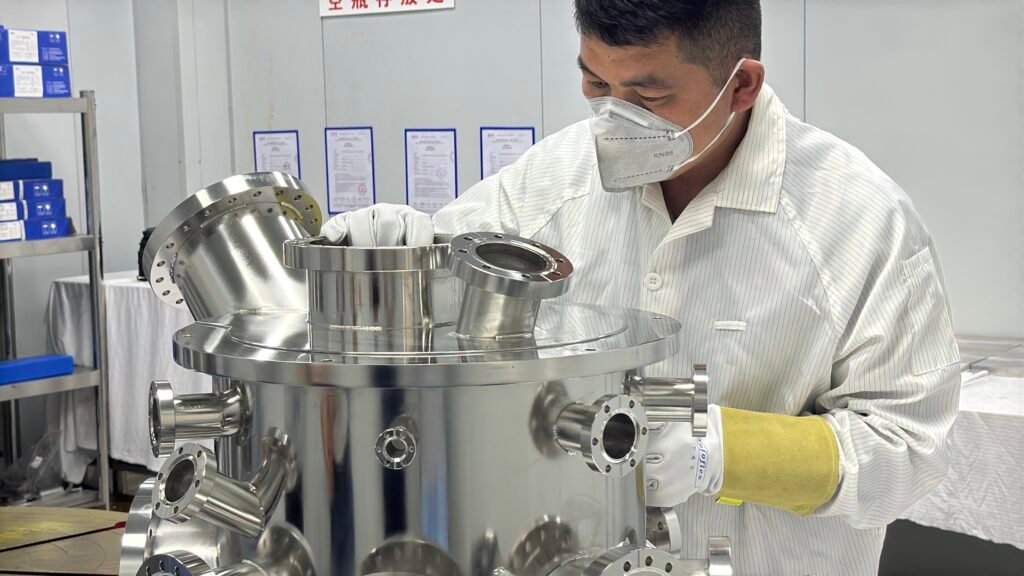
Take any manufacturer in the world - everyone will claim they have superior quality control. But talk is cheap when it comes to sensitive products like semiconductor equipment. So, you're wrong if you thought quality control just gives a competitive edge; it is a necessity in semiconductor equipment manufacturing.
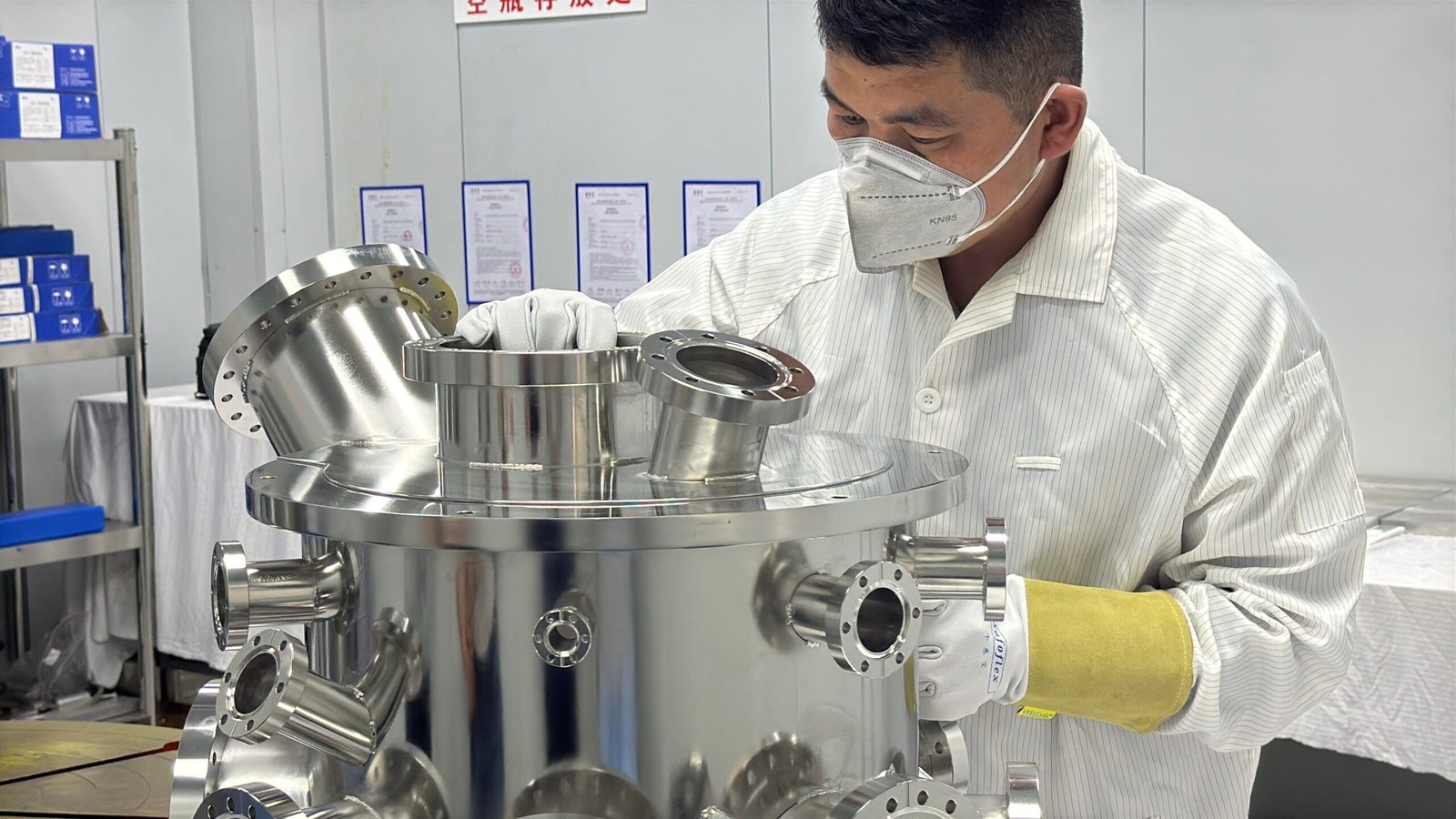
This is why specific quality standards were proposed. For manufacturers, strict quality control is essential to deliver reliable, high-performance semiconductor equipment. But what are these quality standards? Let's get to know!
Understanding Key Quality Standards in Semiconductor Equipment
In simple words, semiconductor standards are guidelines developed by authoritative organizations (SEMI, JEDEC, ASTM, IPC, IEEE, ISO, JEITA, IEST, and IEC) and industry bodies that define all the standard characteristics of semiconductor equipment manufacturing.
They give specifications on the standard methods, material quality requirements, dimensions, testing protocol, electrical characteristics, manufacturing procedures, packaging, and handling guide to manufacture semiconductor equipment.
These key quality standards ensure the reliability, consistency, and quality control throughout the semiconductor industry worldwide.
Some Key Semiconductor Equipment Manufacturing Standards
1. ISO 9001 Standards
Semiconductor equipment production has different categories of quality control standards for different stages of production. However, before adopting any specialized standards, manufacturers must ensure compliance with an internationally recognized foundational quality control standard, ISO 9001 for the semiconductor industry.
It focuses on strict document control, supplier quality management, and continuous improvement assessment. This is why a semiconductor equipment manufacturer with ISO 9001 certification indicates more reliability.
2. SEMI Standards
Semiconductor Equipment and Material International, known as SEMI, gives the most industry-specific regulations. This organization develops critical standards that are specifically tailored for the microelectronics industry supply chain. Here are some key standards that stand out from over 1000 SEMI standards, which are crucial for semiconductor equipment manufacturing.
Safety Regulations
These industries often use harmful chemicals, powerful lasers, high voltage, radiofrequency power, etc. This can be hazardous for both the environment and the people associated with the equipment manufacturing process.
Thus, SEMI S2 and SEMI S8 were developed as the benchmark of safety guidelines. The first one is the environmental, health, and safety guidelines. It covers chemical piping integration, fire protection, exhaust ventilation systems, electrical safety, etc.
SEMI S8 focuses on the safety of the human-machine interface. It gives guidelines to reduce human error by maintaining access points, heavy lifting tools, and manual process control.
Automation and Software
Modern semiconductor equipment manufacturing is highly automated with CNC Machining for quality and efficiency. The workflow is controlled through the manufacturing execution system (MES). To control the quality on this side, the manufacturers must comply with the SEMI E5 and SEMI E30 standards.
3. Ultra Cleanliness Standards
Semiconductor equipment manufacturing must maintain extreme cleanliness because even the smallest particle can cause significant financial loss for buyers. Semiconductor components like microchips and silicon wafers are highly sensitive.
Manufacturing them in equipment with compromised cleanliness can cause the whole batch to be damaged. Thus, this equipment is to be manufactured, assembled, and tested within a cleanroom with ISO 14644-1 standard. This key quality standard reassures the buyer that the equipment is safe for semiconductor production.
4. Material Composition Standards
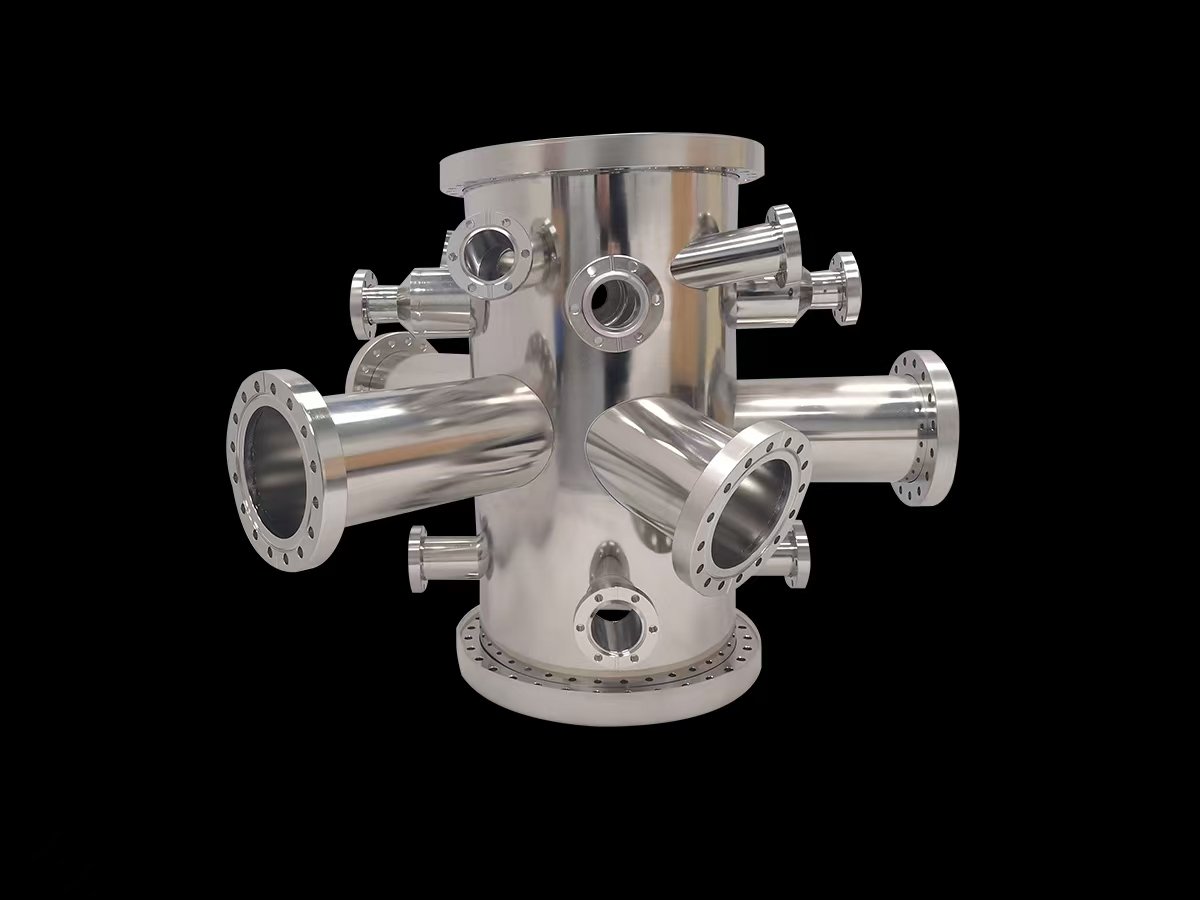
If you want a chamber to be able to keep a clean environment, like a space with no particles, you have to choose the right metal. This is highly essential, especially for tools like ultra-high vacuum chambers.
SEMI F20 is a standard that people around the world follow. It says what the metal should be made of, how it should be put together, and what can be in it. This standard is for metals like 316L Stainless Steel that are used in vacuum parts. It helps make sure that there are no holes that can trap air.
This is dictated by standards from IEST (Institute of Environmental Sciences and Technology) and ASTM (American Society for Testing and Materials). The testing protocol ensures the use of contamination-free material for semiconductor equipment.
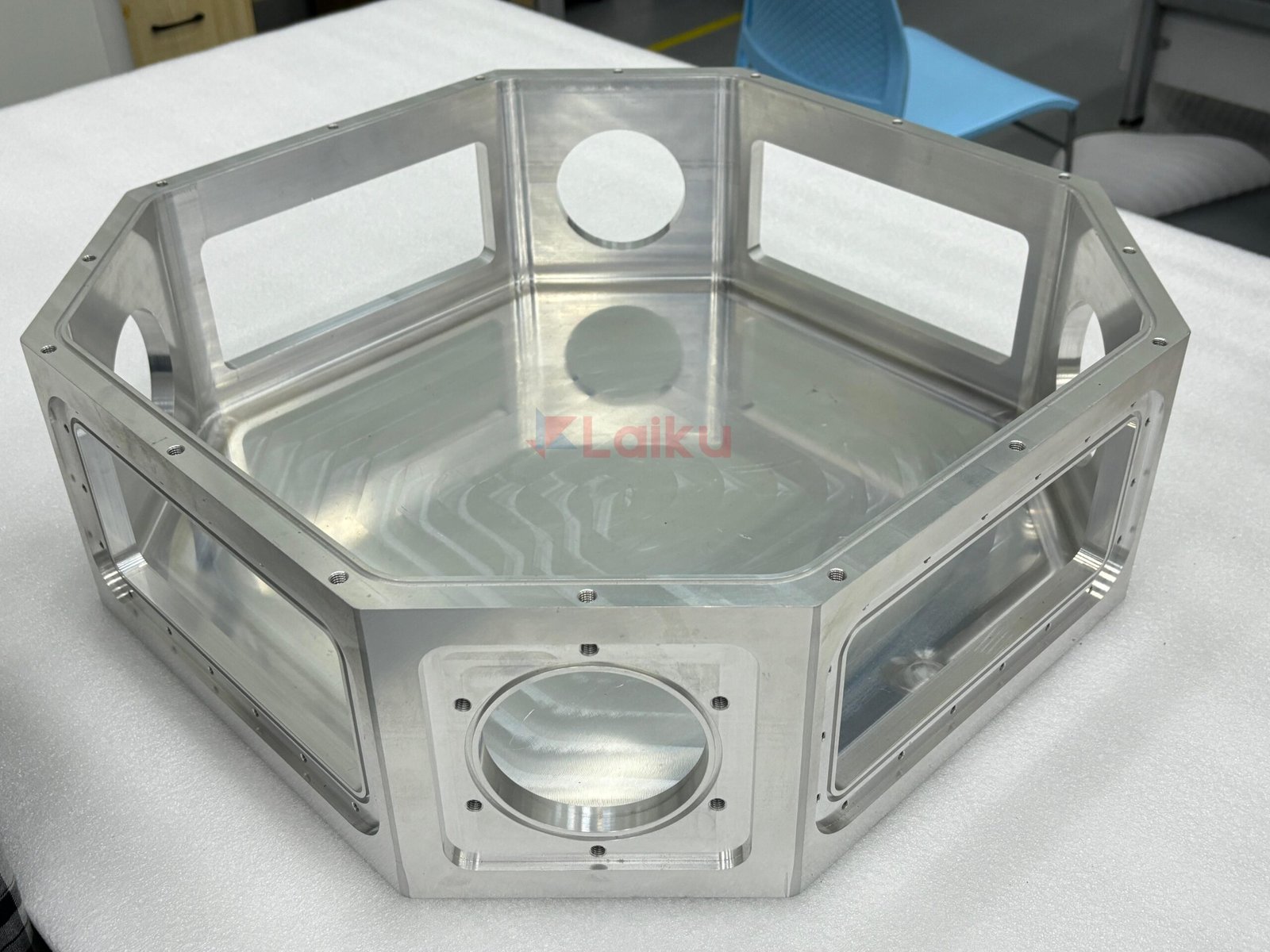
For aluminum chambers, there are standards like ASTM B209 and B221. These standards say how strong the aluminum should be and how pure it should be. For example, 6061-T6 aluminum is a type of metal that is often used for vacuum chambers for its lightweight property.
5. Welding and Joint Integrity Standards
Every joint on a UHV chamber is a spot and a place where air can get in. The usual way of welding that is done in factories is not good enough.
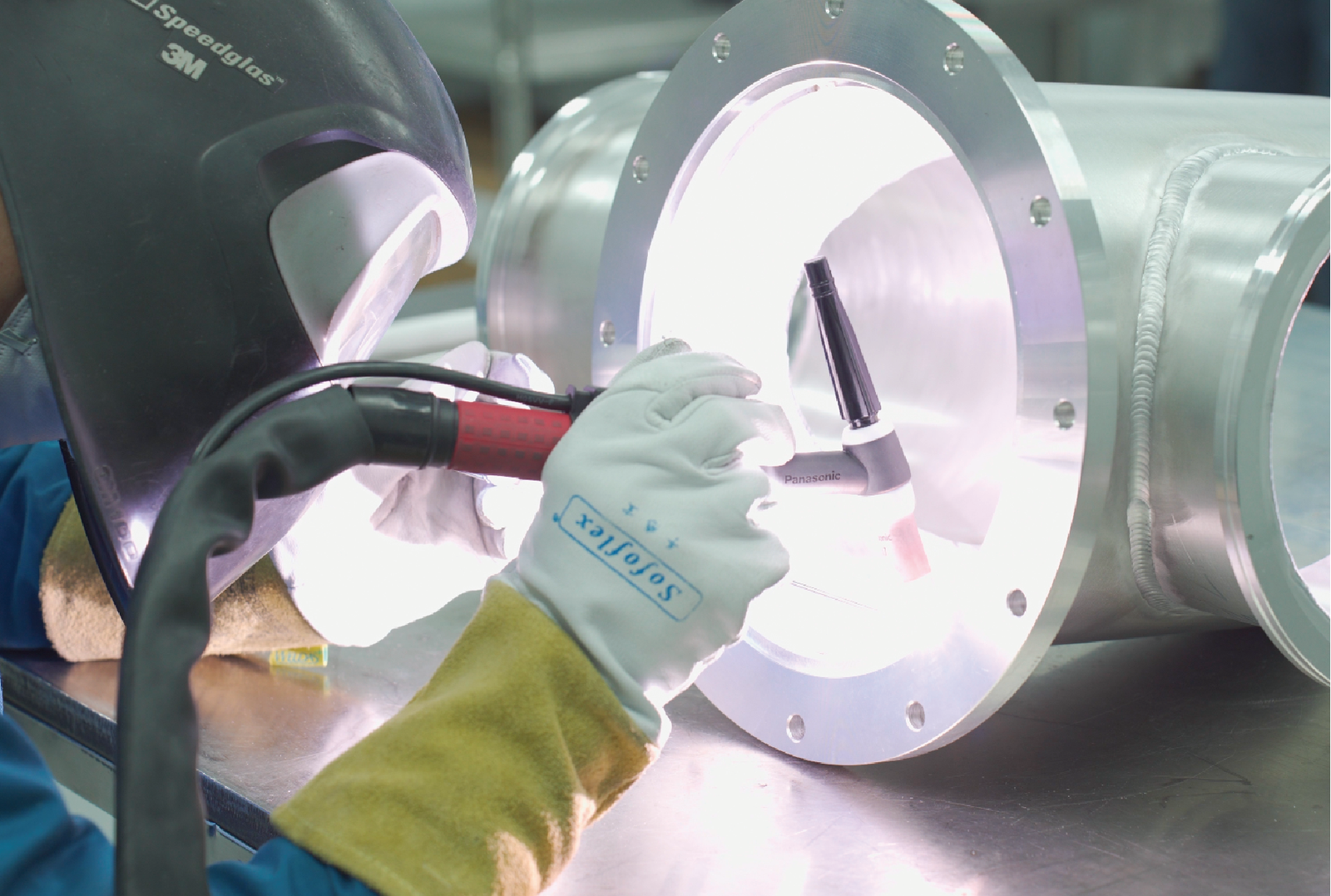
The American Welding Society has standards for welding pure stainless steel systems like AWS D18.1 and D18.2. These standards are about how to weld the inside of these systems without any errors.
There is also a rule book from ASME Section IX that says what is required to qualify people who weld and the way they weld machinery that has to be strong, like pressure vessels.
For UHV chambers, the rule is to use a kind of welding on the inside, which is called TIG welding or Electron Beam welding. This kind of welding goes all the way through the metal, keeping no weak spot.
6. Outgassing and Surface Treatment Standards
Equipment used in semiconductor manufacturing must not emit any volatile gases or release trace elements. The inside of a chamber has to be really smooth so that it can't trap water or any other molecules.
The American Society of Mechanical Engineers has a standard called ASME B46.1. This standard is about the surface texture of things. It says how to measure how rough or smooth something is. For example, semiconductor UHV chambers need to be very smooth inside. They need an average smoothness of less than 0.2 to 0.4 micrometers.
There is another standard called the Electropolishing Standards or ASTM B912. This standard is about how to make surfaces smooth using chemicals and electricity. This helps to stop contaminants from getting trapped.
Before a chamber can be shipped, it has to go through a process called Vacuum Bakeout Standardization. The chamber is heated to a high temperature, like 150°C-250°C, while it is empty of air. This helps to get rid of any moisture and hydrogen that might be inside.
Importance of Semiconductor Equipment Manufacturing Standards
Imagine one of the smallest particles contaminates the semiconductor equipment where you are planning to manufacture microchips. These tiny electronic devices are built layer by layer with photolithography, a process where light is used to print the circuit patterns on the chip. Even if it's the smallest particle landing on this chip, it'll still feel like a boulder to it.
Circuit Short Circuit
This particle may connect two microscopic wire prints, causing a short circuit. This instantly kills the chip.
Open Circuit
If a particle lands on a spot of the chip that is yet to be printed, then after the photolithography, it acts as a gap between the wire print. This makes the circuit broken or open.
Shadowing
If the particle is on the lens, it can cast a small shadow, warping the circuit design. This blurs the patterns that can ruin many chips at once.
The smallest particle contamination or dimensional deviation on this equipment can substantially hamper the production of microchips or silicon wafers. That screams a spiking operation cost for the industries of semiconductor manufacturing. Result? - zero yield!
This says a lot about why key standards are important for semiconductor equipment manufacturing in quality management. All these quality standards govern each sector of the equipment manufacturing industry. These look over all the parameters and ensure trust between the supplier and buyer.
Looking for a Reliable Semiconductor Equipment Manufacturer? Contact Us Today!
At Laiku, we know that making semiconductors is a precise job. There is no room for mistakes. If something is not perfect, like a piece of dirt or a small mistake in size, it can ruin a whole batch of silicon wafers. This can increase your costs and reduce the number of good chips you make.
That is why we take quality control seriously at Laiku. We make sure our manufacturing processes meet the standards in the world. We follow all the rules of ISO 9001 Quality Management Systems, the safety and automation standards of SEMI, the ISO 14644-1 standard, all quality standards from AWS, and ASME.
To make sure everything is perfect, we check everything with accuracy. Our Quality Control team utilizes advanced CMM to inspect each dimension and provides multi-angle photos to ensure your approval before shipment.
We give you a detailed report so you can see that everything is okay before we send any equipment to you. When you work with Laiku, you are getting equipment that you can rely on completely for your semiconductor manufacturing.
Do not let bad equipment hurt your production. You can talk to our engineering team at szlksemi.com today. Discuss your technical needs and request a custom quote.