
Extreme precision, contamination-free environment, and controlled processing are essential for the perfect manufacturing of modern semiconductors. As you go deeper in nanometer-scale dimensions, the production can be impacted with microscopic particles and contamination.
This is where you will find vacuum chambers useful to overcome quality control challenges. With the help of advanced chambers, you can maintain suitable environments, keep contamination away, and focus on precision.
Many people who just step into the semiconductor manufacturing field ignore its importance and avoid using it. Are you one of those? Don't do this and scroll down to learn why vacuum chambers are essential for the precise production of semiconductors.
Overview of Vacuum Chambers
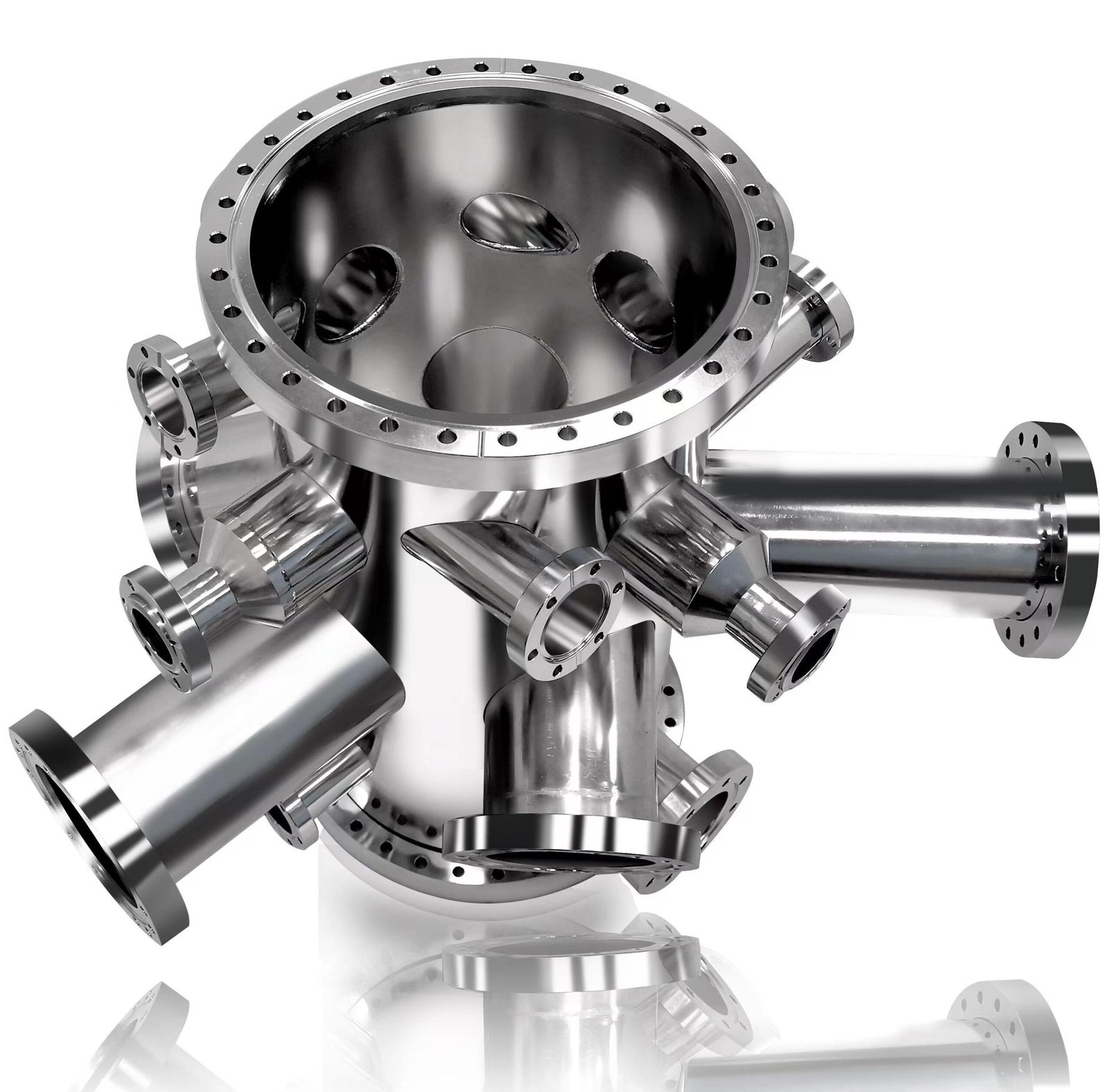
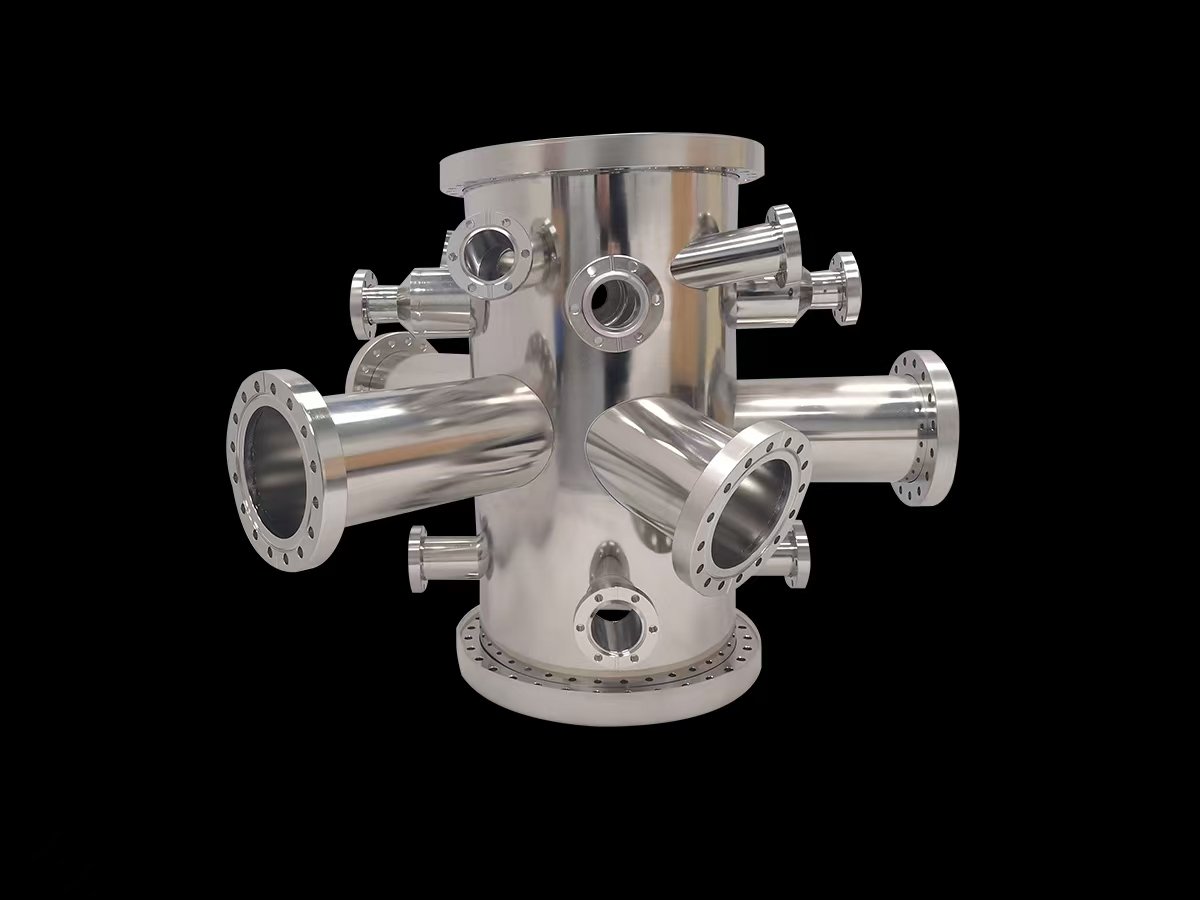
It is a sealed enclosure that keeps air, moisture, particles, and unwanted gases away to get controlled production environment. A vacuum chamber creates a low-pressure environment inside the chamber for extra precision to establish suitable connections.
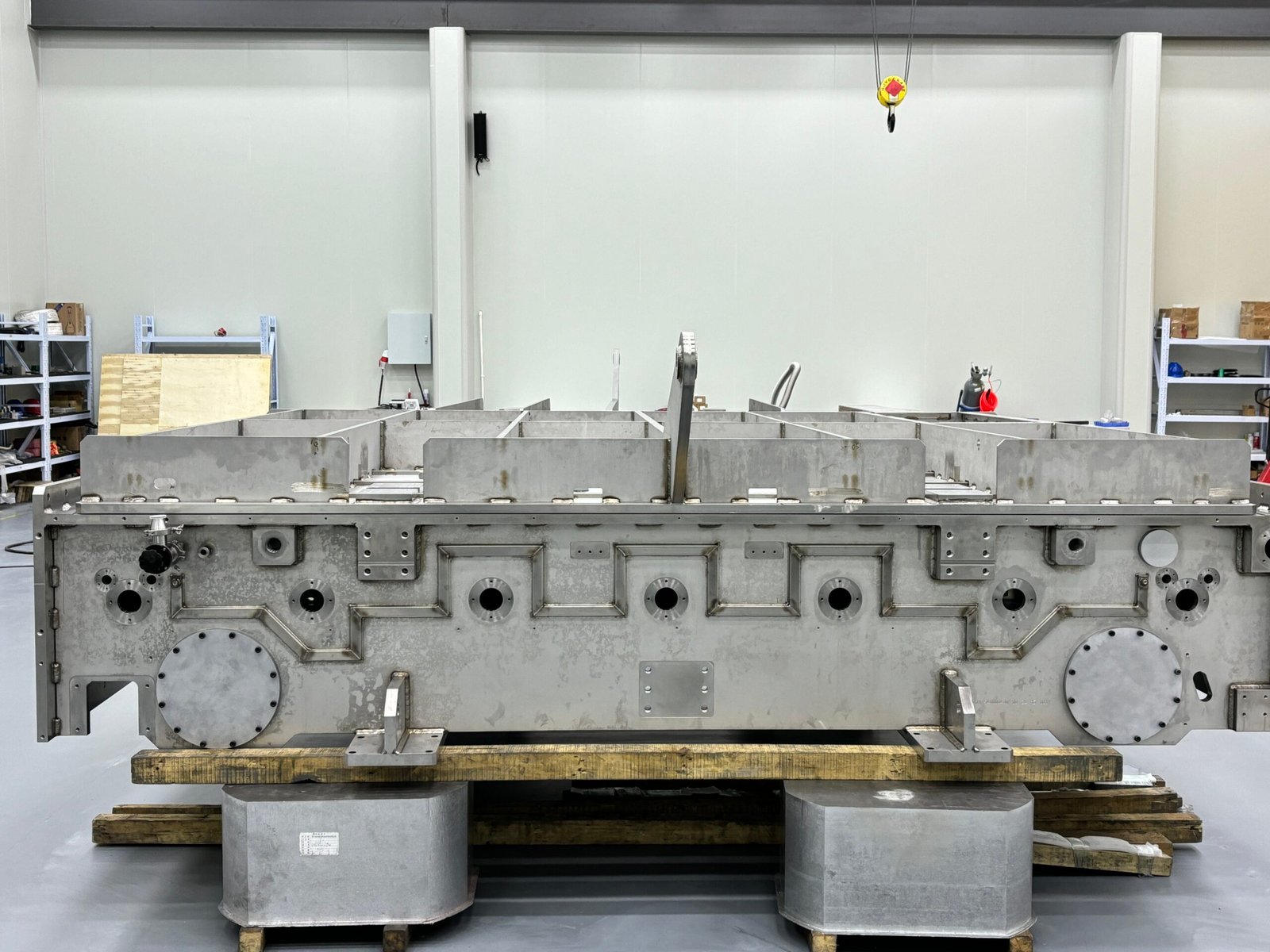
Without using it, you can't perform many fabrication processes accurately. It will help your engineers have strong molecular control during the manufacturing process. Let us give you a quick overview of its main components that will let you understand its importance.
Main Components of a Semiconductor Vacuum Chamber
These chambers can have multiple precision-engineered components that will help the complete system in maintaining process stability and cleanliness. Let us share the important components with a brief overview here.
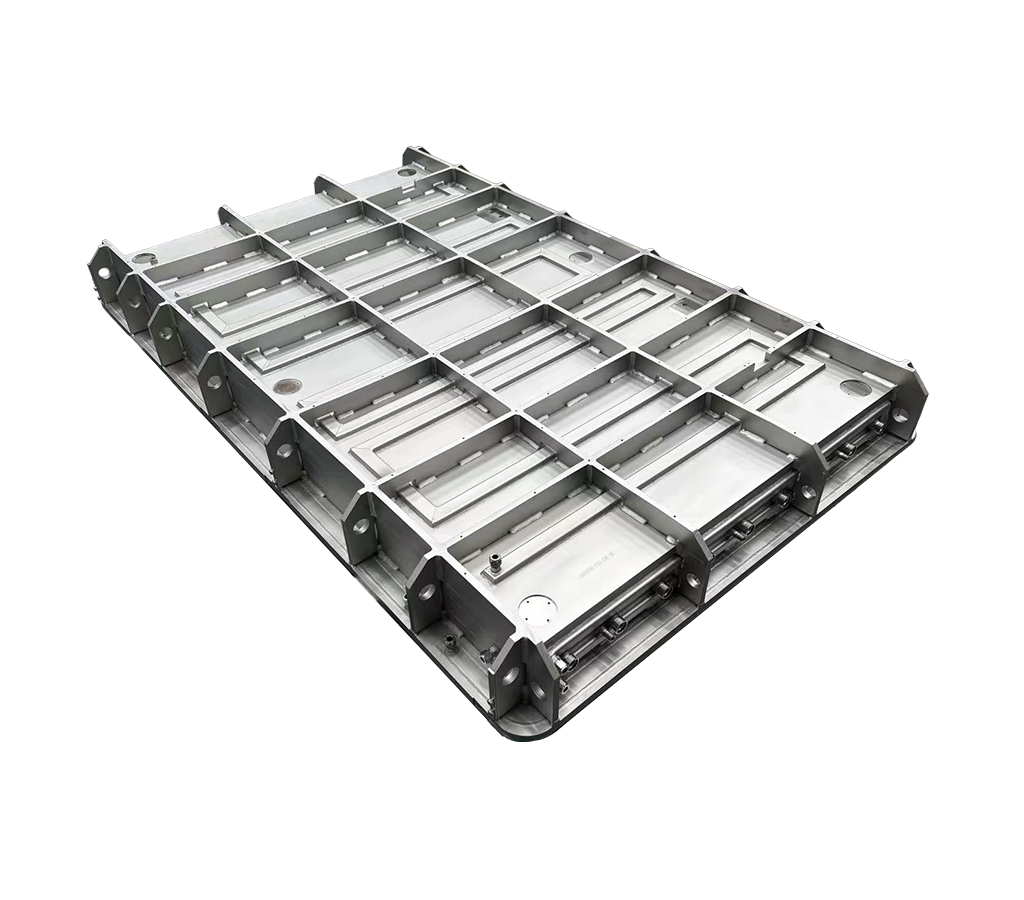
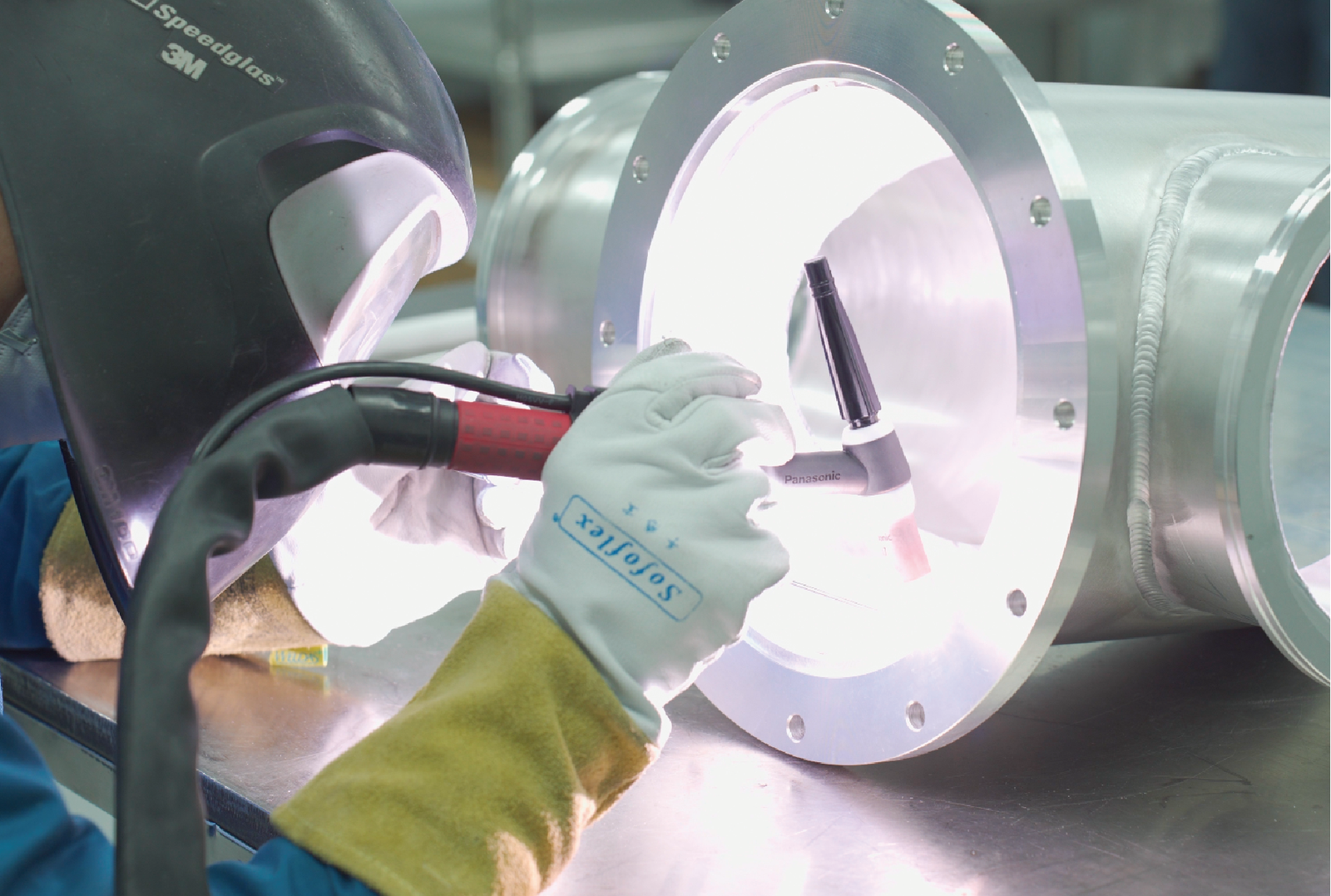
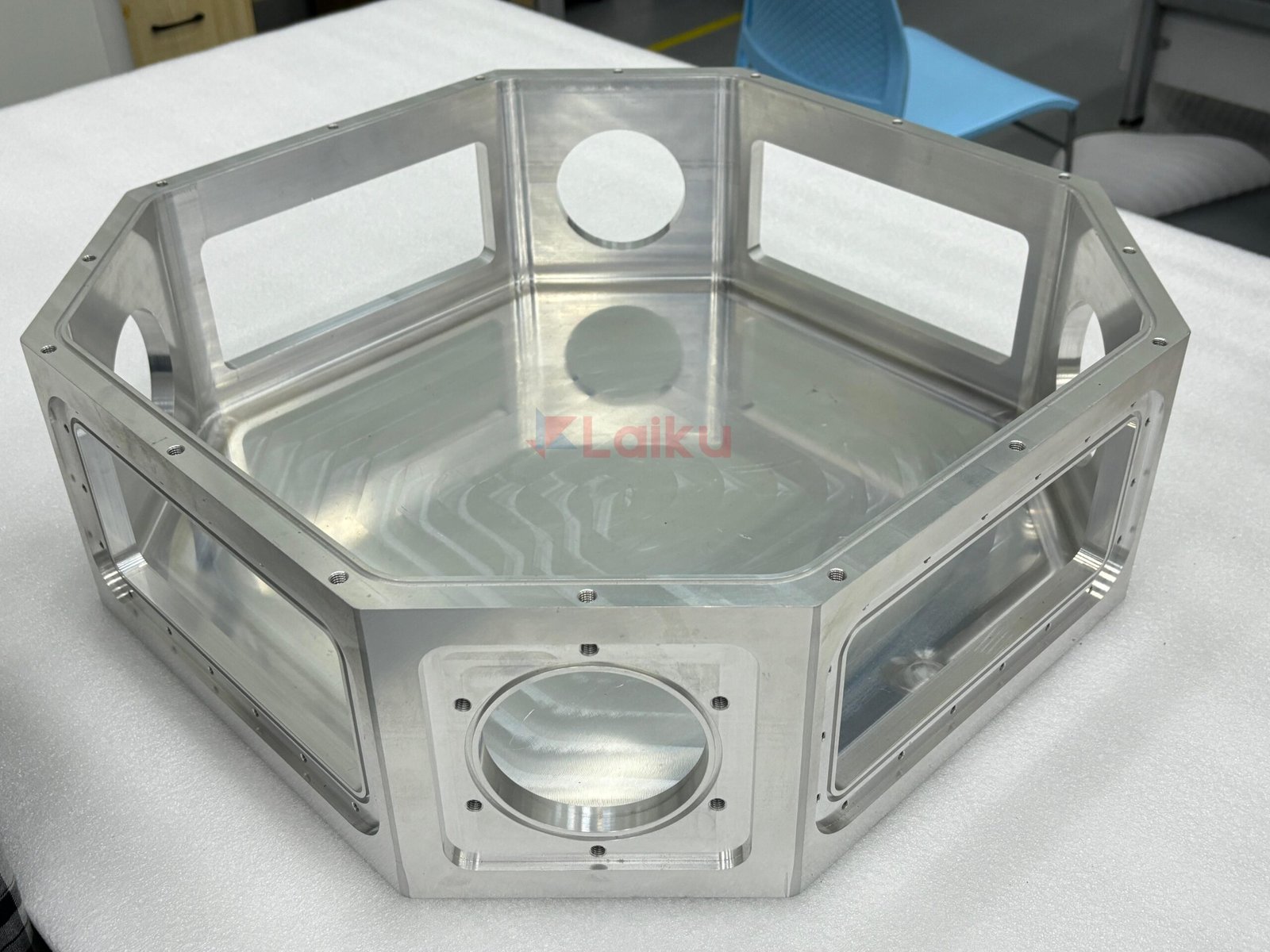
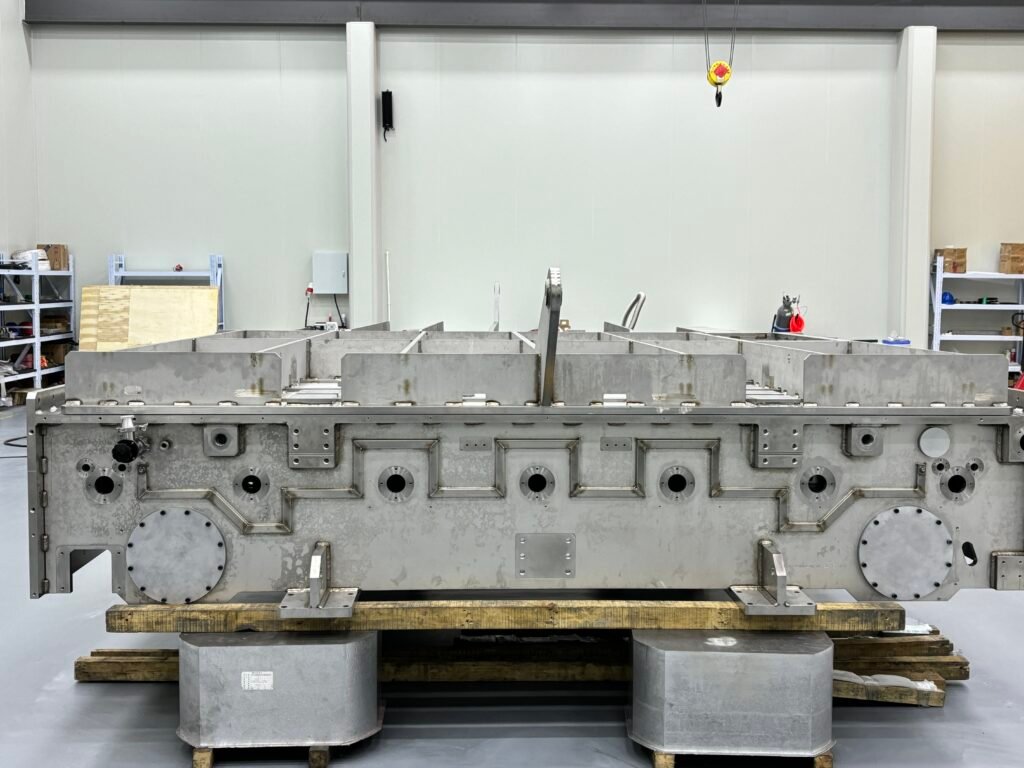
Chamber Body: It is the main body of a vacuum chamber that is made with stainless steel or aluminum to avoid corrosion and increase its durability.
Vacuum Pumps: These special pumps remove air and residual gases from the chamber to get a low-level pressure inside it.
Gas Delivery Systems: These systems manage the flow of gases during different processes of semiconductor manufacturing.
Pressure Gauges and Sensors: You can monitor pressure inside the chambers and measure vacuum levels using sensors for consistent processing.
Seals and Flanges: Every vacuum chamber has special seals to prevent leakage and maintain ultra-high vacuum for smooth operations.
Types of Vacuum Levels for Semiconductor Processing
To understand the importance of vacuum chambers in semiconductor manufacturing, it is good to be familiar with vacuum levels. Using different levels, you can ensure precision during the manufacturing of various types of semiconductor chips.
| Vacuum Type | Typical Pressure Range |
|---|---|
| Low Vacuum | Above 100 Pa |
| High Vacuum | 10^-1 to 10^-5 Pa |
| Ultra-High Vacuum (UHV) | Below 10^-6 Pa |
During semiconductor manufacturing, you have to achieve ultra-high vacuum for precise production without contamination. The reason is that even microscopic contamination, like oxygen particles, can alter the efficiency of the manufactured chips.
Why Are Vacuum Chambers Essential in Semiconductor Manufacturing?
So far, you have got a brief overview of vacuum chambers, their components, and types of vacuums. Now, you are ready to learn why it is essential to have this machine at your place for effective manufacturing of semiconductors and to increase the profitability of your business.
Helps in Clean Processing
As you know, semiconductor fabrication demands an extra clean environment. You may get defects in the circuits, reduce yield, and compromise products with even microscopic contaminants.
This is where a vacuum chamber will help you by removing airborne particles, oxygen, moisture, and hydrocarbons. It will automatically reduce the risks of low-quality semiconductor manufacturing.
Offers Extensive Precision
Need atomic-level precision while manufacturing modern semiconductor chips? No worries, and get a vacuum chamber using which you can stabilize pressure conditions, which will reduce molecular collisions.
With this, you will get:
- Uniform thin-film deposition
- Controlled plasma behavior
- Directional ion movement
- Accurate etching profiles
Enhances Product Reliability
With the help of vacuum chambers, you can improve consistency throughout the production of semiconductor devices. In turn, it will increase their reliability and make them long-lasting too.
Being a manufacturer, you can achieve higher wafer yield, better film adhesion, and improved electrical performance.
Major Semiconductor Processes That Depend on Vacuum Chambers
Now, let's have a deep dive and understand the major semiconductor manufacturing processes that can't be completed without a vacuum chamber.
Thin-Film Deposition
In this process, extremely thin material layers are deposited onto wafers to create conductive, insulating, and protective structures. Vacuum chambers provide contamination-free environments for this most important semiconductor manufacturing process.
Using this machine, you can deposit materials accurately without unwanted collisions. Common deposition methods for this purpose include:
- Physical Vapor Deposition (PVD)
- Chemical Vapor Deposition (CVD)
- Atomic Layer Deposition (ALD)
- Epitaxial Deposition
Plasma Etching
This process involves the removal of particular materials from semiconductor wafers with extreme precision. Using a vacuum chamber, manufacturers can get stable plasma conditions with controlled ion direction and energy.
For improved anisotropic etching precision, it is essential to maintain low-pressure environments using this machine. Additionally, it enhances plasma stability, reduces unwanted chemical reactions, and improves feature accuracy.
Ion Implantation
To modify the electrical properties of semiconductor wafers, ion implantation is used. Through this process, you can introduce controlled impurities to those wafers.
Using a vacuum chamber, you can maintain beam accuracy, clean implantation, and a stable ion trajectory, which are necessary for effective ion implantation.
Lithography & Inspection
Another important process during semiconductor manufacturing is lithography, which helps manufacturers transfer intricate circuit patterns onto wafers. By achieving vacuum environments, you can minimize particle contamination as well as inspect the wafers at the end.
Challenges You May Face Without a Vacuum Chamber
Here are some of the major challenges that you may face if you don't have a vacuum chamber for semiconductor manufacturing.
Unable to Maintain Ultra-High Vacuum
As mentioned earlier, you need an ultra-high vacuum for modern semiconductor manufacturing. Without an advanced vacuum chamber, you may struggle to maintain it. As a result, you may get oxygen, water vapors, and airborne contaminations during the manufacturing process.
Hard to Manage Thermal Stability
Being a manufacturer, you must be familiar with the need for high temperatures for deposition processes. It can't be achieved without using special machines like vacuum chambers.
Can't Scale for Advanced Nodes
For advanced nodes, it is required to have strong control over contamination, uniformity, and process repeatability. You can't have the required outcomes in this regard without using an advanced vacuum chamber.
In turn, you will face difficulties scaling production for AI processors, high-density memory, advanced packaging, and other related applications.
Get Modern Vacuum Chambers by Laiku for Improved Results
Ready to get a modern vacuum chamber for effective semiconductor manufacturing? Laiku is here to offer you top-notch vacuum chambers, using which you can achieve extreme precision and contamination control.
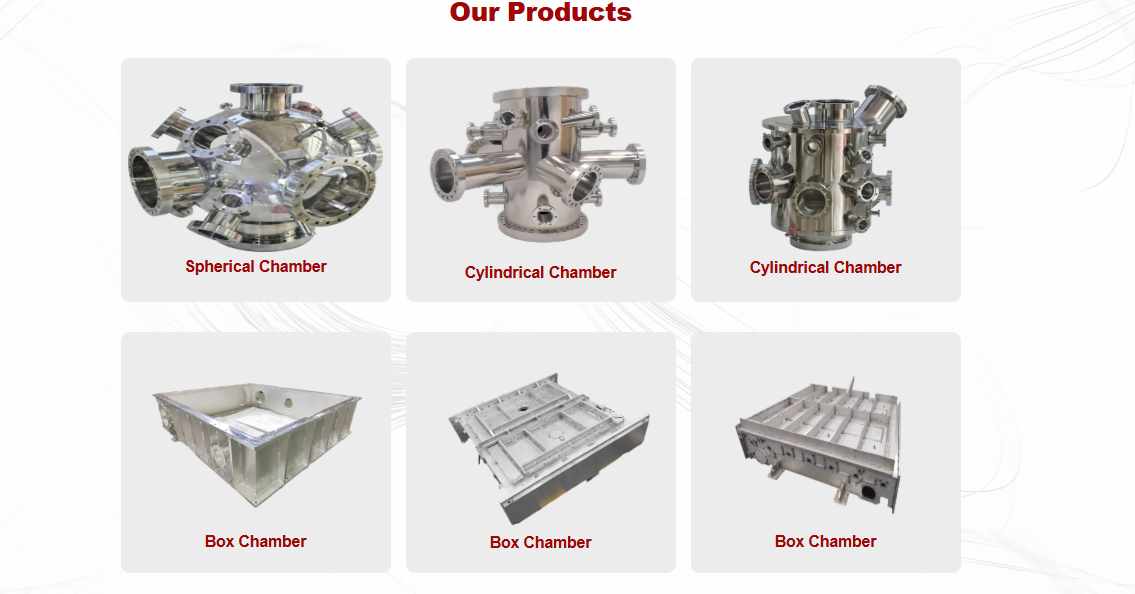
We can provide you with your required products with maximum production capacity and efficiency. Whether you are looking for modern designed vacuum chambers or a simple equipment for your research laboratory, we will help you get the right product you need.
Using our vacuum chambers, you can get stable processing environments as well as improve production efficiency and reliability across semiconductor applications.
Conclusion
We hope you have learned the importance of vacuum chambers for semiconductor manufacturing. Whether you are a big player in the manufacturing industry or own a mid-range unit, it is recommended to get this equipment for effective production.
By connecting with Laiku, you can get your vacuum chamber designed according to your specific requirements.
FAQs
Q:What vacuum level is used in semiconductor processing?
A:During semiconductor manufacturing, you have to attain high vacuum or ultra-high vacuum environments for accurate and contamination-free fabrication or deposition.
Q:Which semiconductor processes require vacuum chambers?
A:A vacuum chamber is required for almost every semiconductor manufacturing process, including PVD, CVD, ALD, plasma etching, ion deposition, and others.