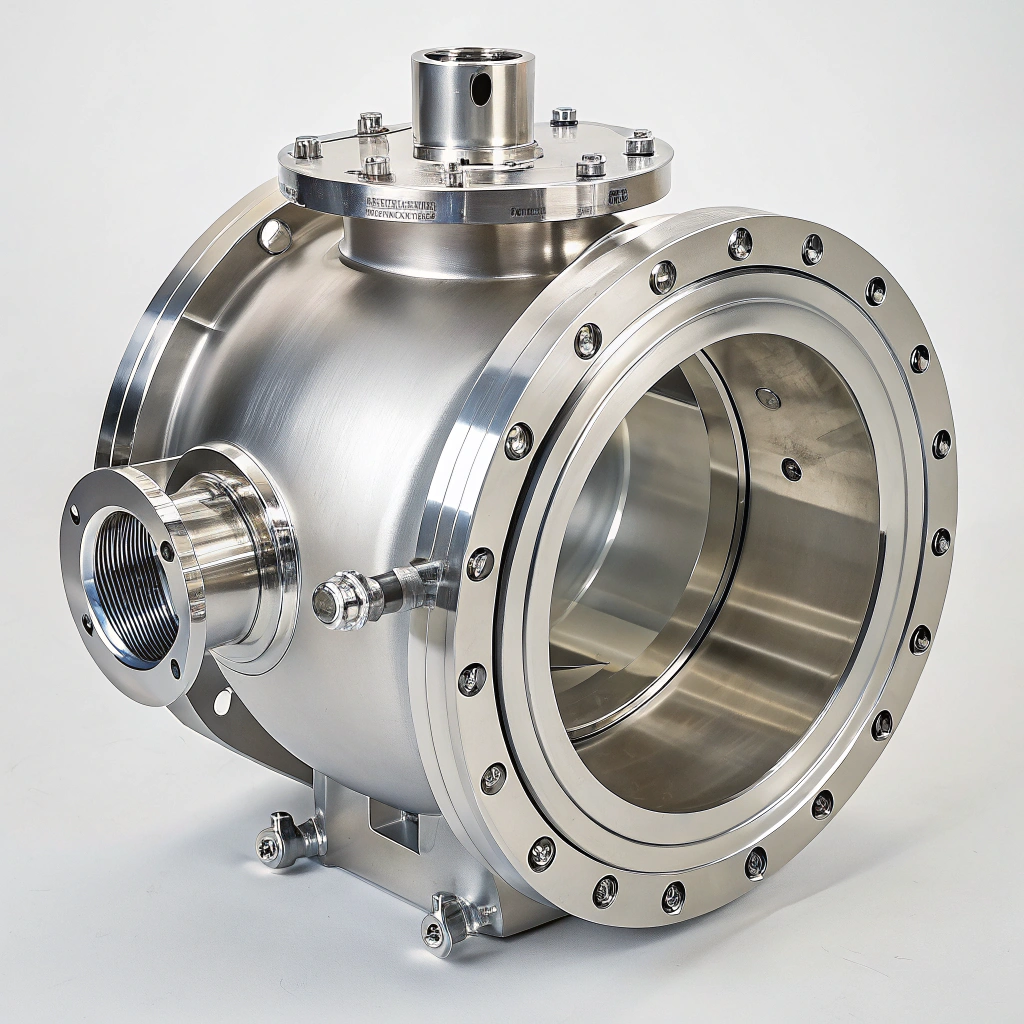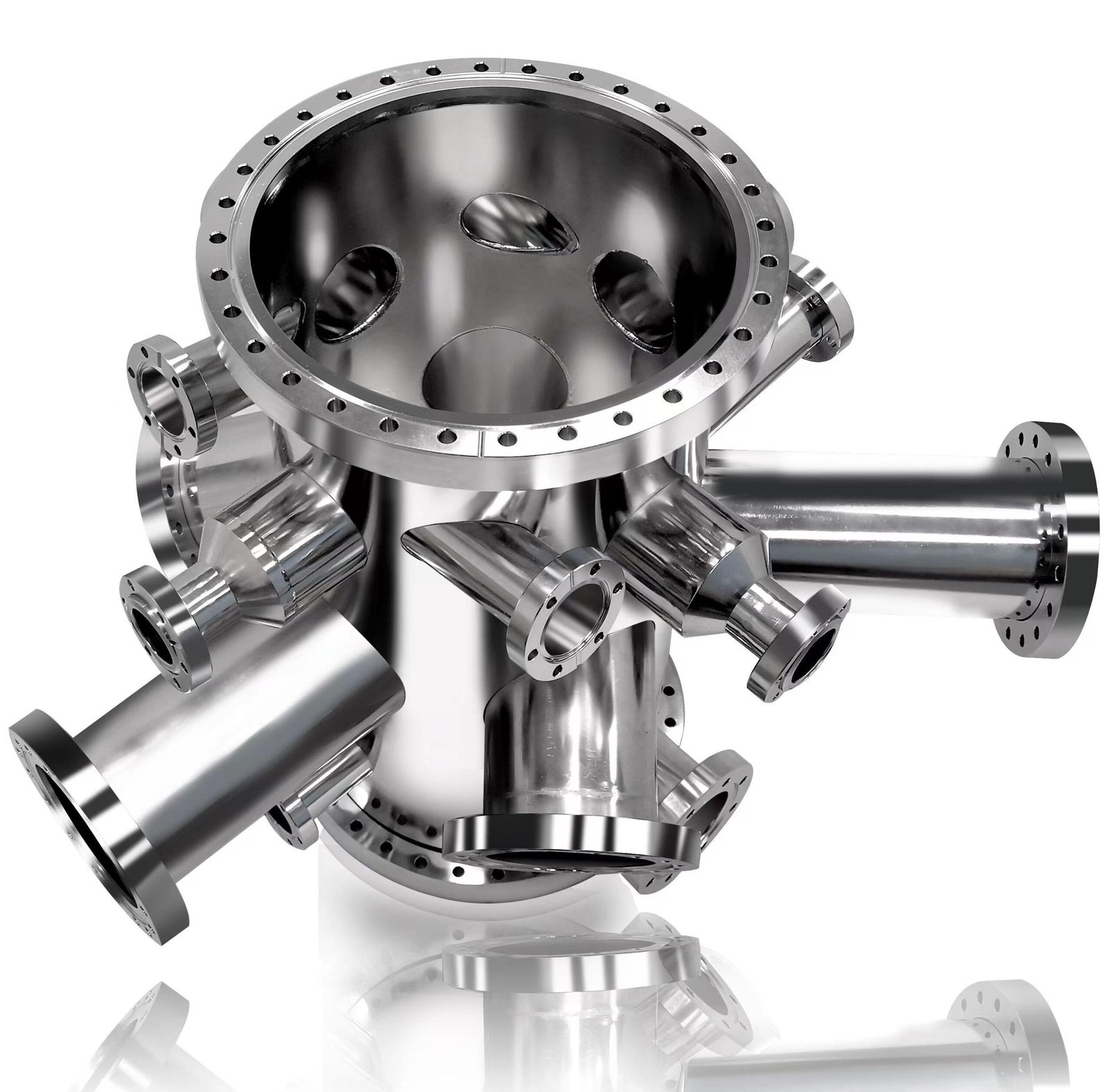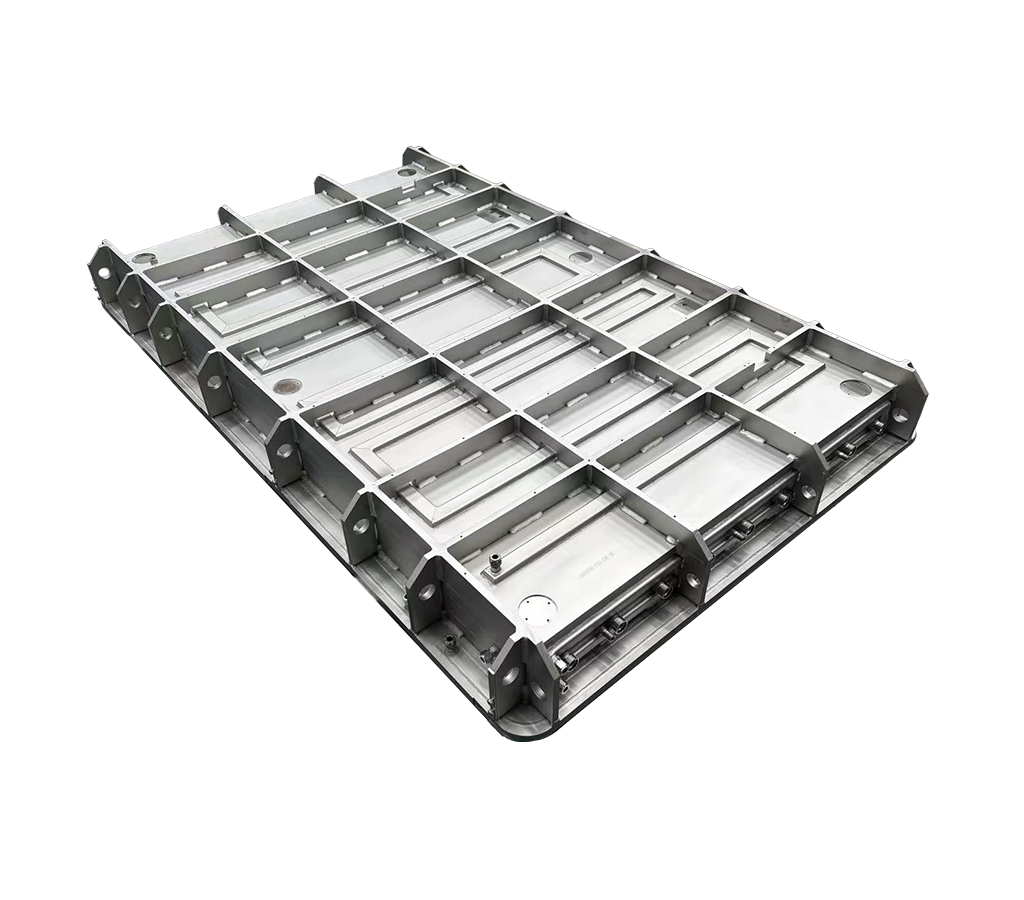

When we discuss how semiconductor vacuum chambers are made, one thing is never up there for debate, i.e., the welding method defines the final quality of your product. It happens because no matter how you design the chamber, the weld quality ultimately impacts the vacuum integrity & contamination risk. In fact, a welding study reported that microscopic imperfections in welds introduce leaks or trapped gases and decrease process yield in precision fabrication systems.
So, you should carefully compare TIG welding vs laser welding to figure out which one's the best option for semiconductor manufacturing. You can easily keep the conditions stable inside advanced fabrication systems when there's no room left for guesswork, and precision remains non-negotiable. We'll explain how these two welding methods differ from each other.
You can take a closer look at how TIG welding and laser welding really work for semiconductor vacuum chambers. Also, why is comparing them so important for your production process?
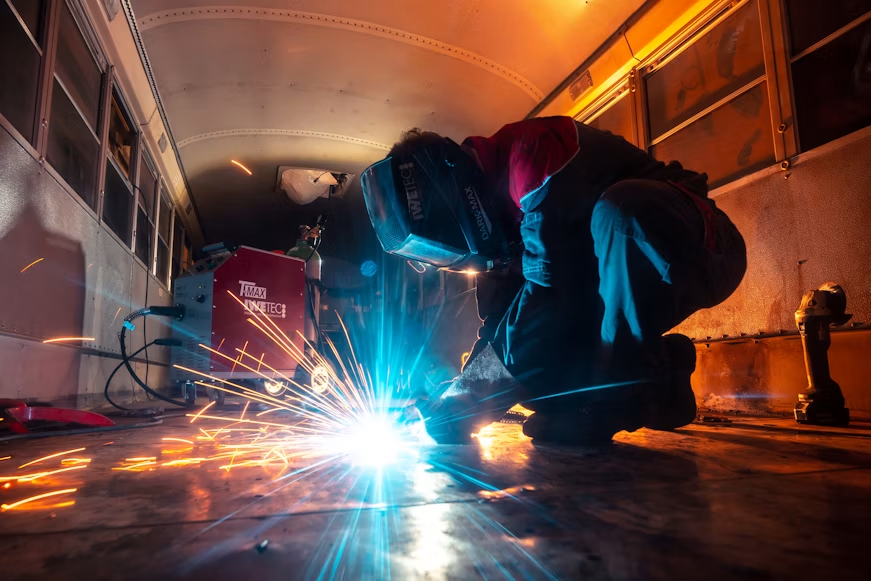
Image Source: Unsplash
What Makes Vacuum Chamber Welding Different?
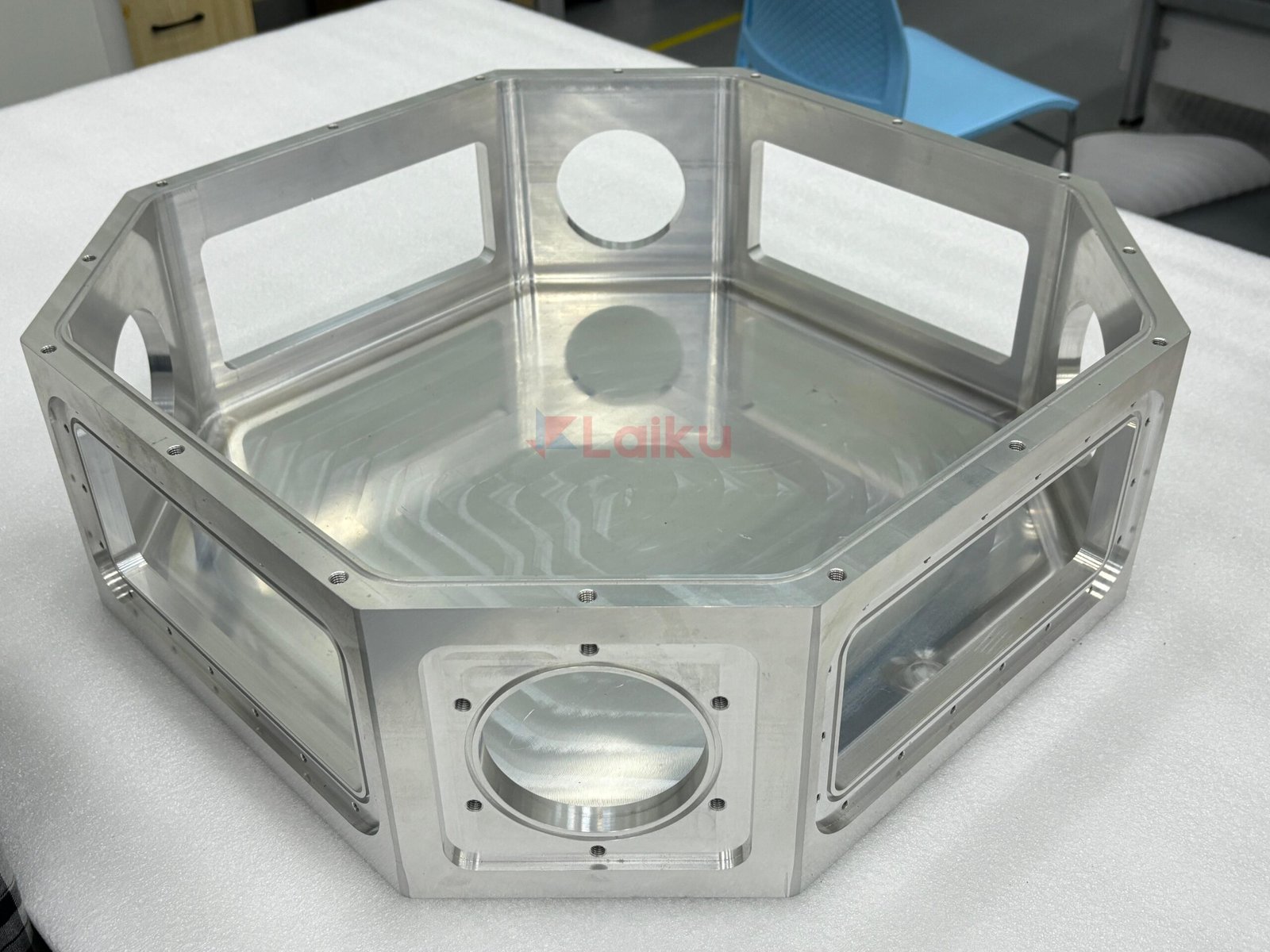
Let's explain everything in laypeople's terms. The process of vacuum chamber fabrication is all about joining metal pieces and maintaining leak-tight integrity. Semiconductor manufacturing goes beyond simply creating a strong bond between these metal pieces; you have to preserve extremely specific vacuum levels to make sure the chamber performs well across many stages of production without weld defects or anything. That's the challenge we're facing!
Most modern semiconductor vacuum systems rely a lot on this kind of precise control because even minor imperfections can quietly change how the plasma behaves in the future. It impacts the way materials deposit on thin films and how surfaces react during fabrication. This process is quite sensitive, since each welding shift matters more than you'd actually expect.
What Is TIG Welding?
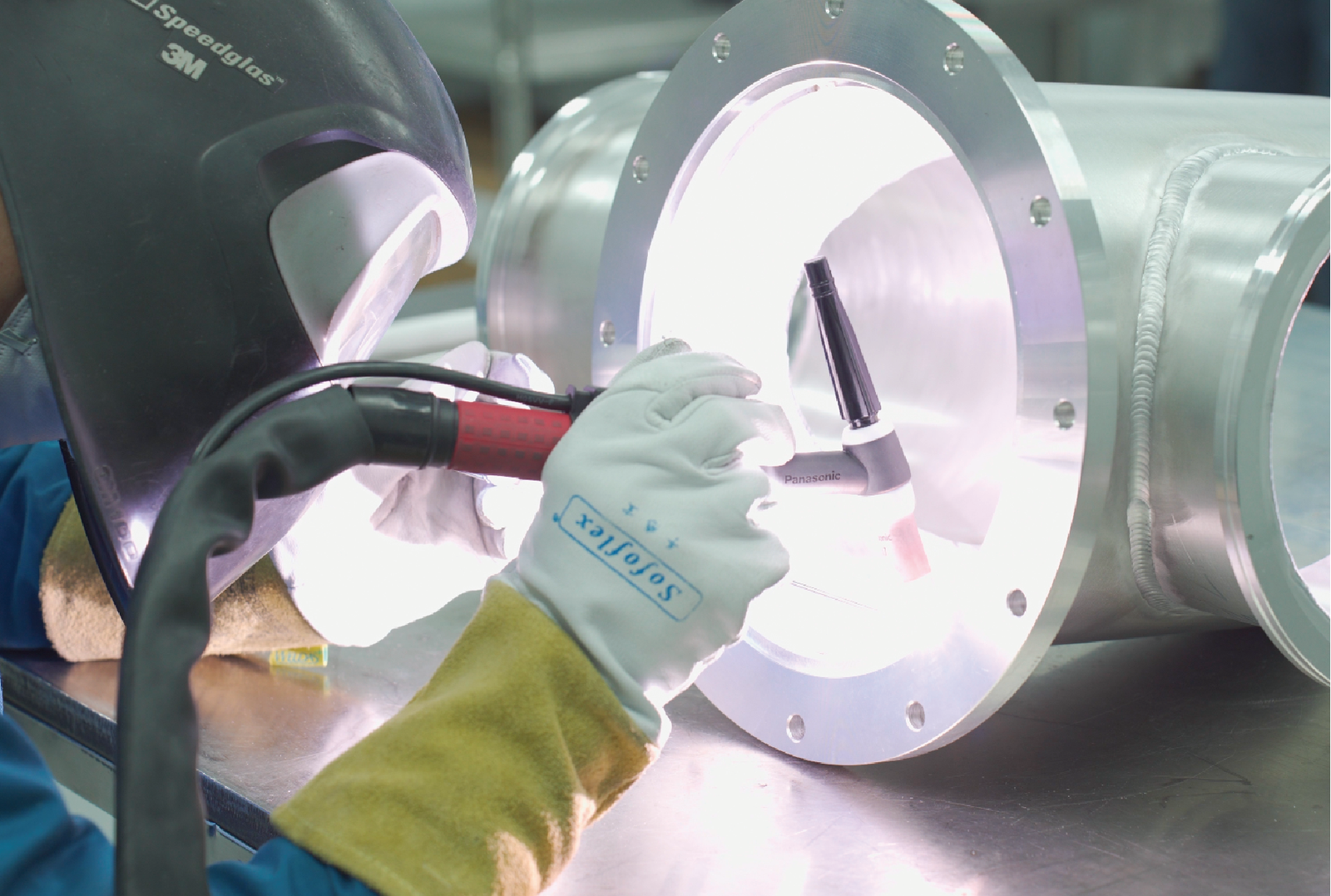
When we discuss traditional welding methods, we always mention TIG welding. This term here means Tungsten Inert Gas, a welding method that has served the semiconductor industry for decades (this method was patented in the middle of WWII). You use non-consumable tungsten electrode to create an arc that melts the base metal. It requires a filler material and also argon shielding gas to protect the weld zone. This is your basic process in TIG welding.
Now, TIG can handle materials ranging from 0.5mm to 8mm (based on the thickness you are dealing with); each setup works for your particular application needs, letting you weld a lot of things, from thin chamber walls to thicker structural components. You also keep monitoring a few major factors to make sure this process goes on under consistent conditions:
- Arc stability
- Heat input
- Weld bead formation
What Is Laser Welding?
The concept of laser welding is eerily simple: you use a focused laser beam to melt metal and then fuse it without relying on electrode contact. This "line-of-sight" process penetrates deeply with minimal heat input.
In semiconductor equipment manufacturing, each system is made for a particular production window. So, manufacturers can achieve tighter weld beads with higher tensile strength without affecting accuracy. That's why laser welding has become a much preferred option recently. But keep in mind handheld equipment is prone to accidents when not operated by an experienced person.
Where These Welding Methods Are Used in Production
You will notice both TIG welding and laser welding being used across different semiconductor chamber applications. Every application relies on certain welding characteristics to produce consistent results. Failing to match the welding method to your desired process needs means even your most advanced chambers could give you defective wafers. These applications are:
- Prototype and custom chambers where flexibility matters more than speed
- High-volume production chambers requiring repeatable quality across hundreds of units
- Repair work on existing equipment where gap tolerance is critical
- Thin-wall chambers, where minimal heat distortion is essential for pressure uniformity
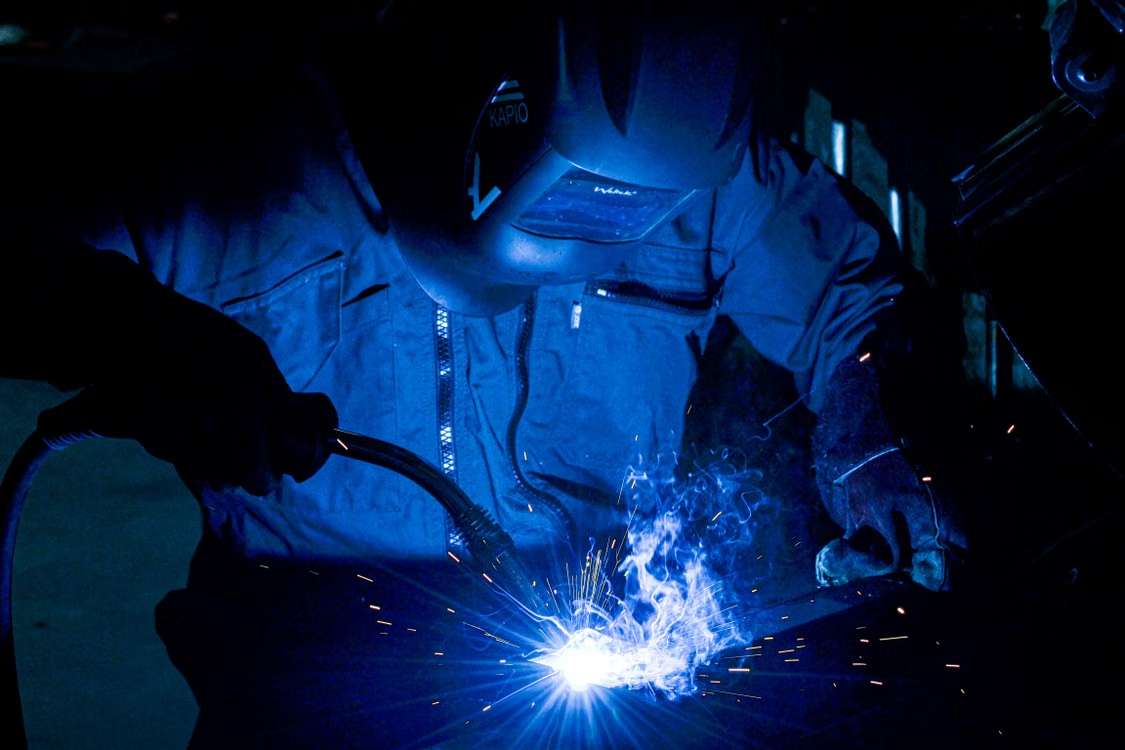
Image Source: Pexels
Choosing between TIG Welding and Laser Welding
Keeping the Process Stable and Repeatable
You want every process to be repeatable all the time. The next vacuum chamber must behave exactly like the previous one. When slight heat distortion happens from improper welding, it can change geometry or pressure uniformity. What you need is a precision welding method!
TIG welding relies on the skill of an experienced operator, which reduces error margins. Laser welding may introduce different operator-dependent variations that can be harder to control.
Preventing Contamination and Defects
Contamination is a major concern when fabricating semiconductor vacuum chambers. TIG welding gives operators direct visual control and fine heat input, which makes it easier to avoid tungsten inclusion and trapped gases that cause particles and reliability issues.
Because TIG welding uses a visible arc and typically progresses at a slower speed, small deviations are often easier to detect and correct during the process. Laser welding, which operates at a higher speed with lower visibility, can make small defects more difficult to identify until later processing stages.
Supporting Thin-Film Deposition Accuracy
It goes without saying that this film process is sensitive to chamber geometry as well as vacuum stability. It doesn't matter if you're working with PECVD or PVD; pressure uniformity, cleanliness, adhesion, and weld quality affect all these factors. For instance, if your welding method leads to heat distortion, your chamber performance will experience degradation.
Reducing Equipment Stress and Downtime
Poor welding quality doesn't just affect chambers but also affects the machines running inside them. If a chamber is running with weld imperfections or leakage, your pumps and valves may be pushed beyond their optimal range. You'll also observe more wear & tear on your production components, leading to more frequent maintenance and unexpected shutdowns.
Better Yield and Manufacturing Efficiency
Even a minor improvement in welding quality can help you save a lot of money. If you achieve better weld consistency, it means you'll see fewer defective chambers, less rework, and more efficient production cycles. When it comes to semiconductor manufacturing, your margins are largely dependent on precision. This control improves your yield and operational efficiency.
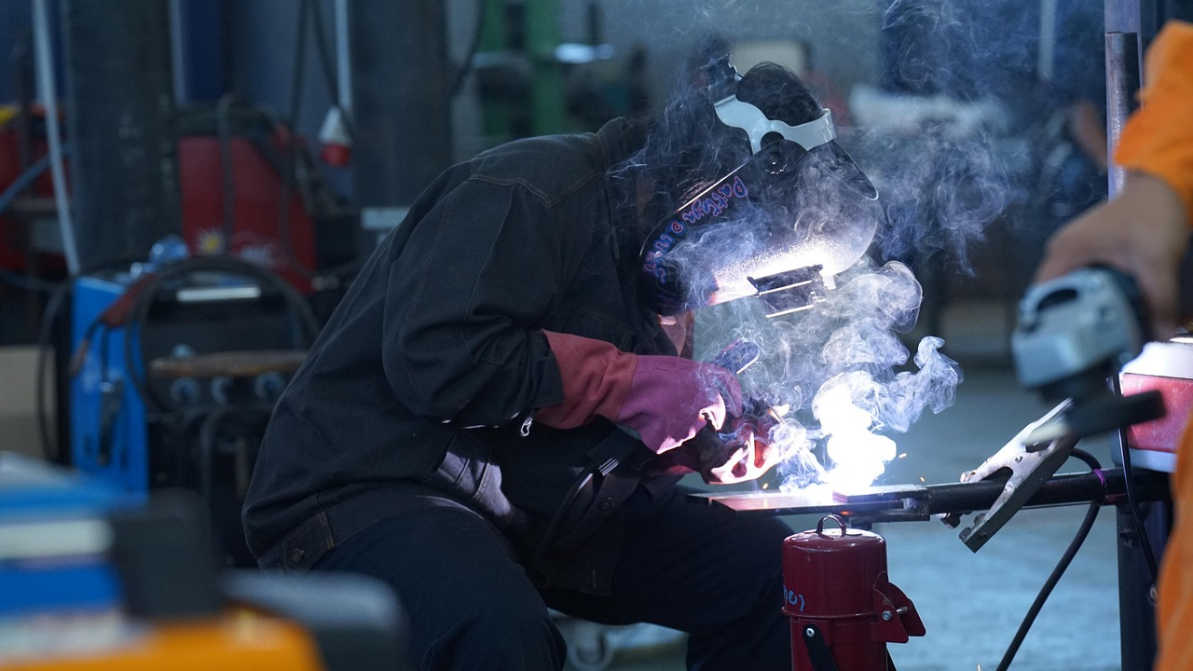
Image Source: Pixabay
Final Thoughts
As the industry continues to advance towards smaller nodes and higher complexity, the importance of welding quality is only going to increase in the coming years, making method selection not just a technical requirement but also a necessity for producing market-worthy chambers and different semiconductor applications.
If you want to improve your chamber weld quality and vacuum performance, you should explore the UHV chambers and core components that are designed for high-precision semiconductor applications. Contact LAIKU to get the best products!
FAQs
What welding method is best for UHV semiconductor vacuum chambers?
TIG welding is often the preferred choice when UHV chambers need precise control, clean seams, and strong weld integrity.
Can TIG welding meet UHV standards?
TIG welding can meet UHV standards when it is performed with proper procedure control, clean materials, and careful post-weld processing. Its main advantage is the ability to produce high-quality welds with excellent operator control, which helps support vacuum performance.
Why does LAIKU use TIG welding for most production chambers?
LAIKU uses TIG welding because it helps maintain chamber geometry, delivers consistent results across batches, and supports the cleanliness required for ultra-vacuum environments. It is also well-suited to detailed fabrication work where precision and weld quality matter most.
What materials can be laser-welded for vacuum chambers?
Stainless steel, aluminum alloy, titanium, and other UHV-compatible metals are used in semiconductor vacuum chamber construction.