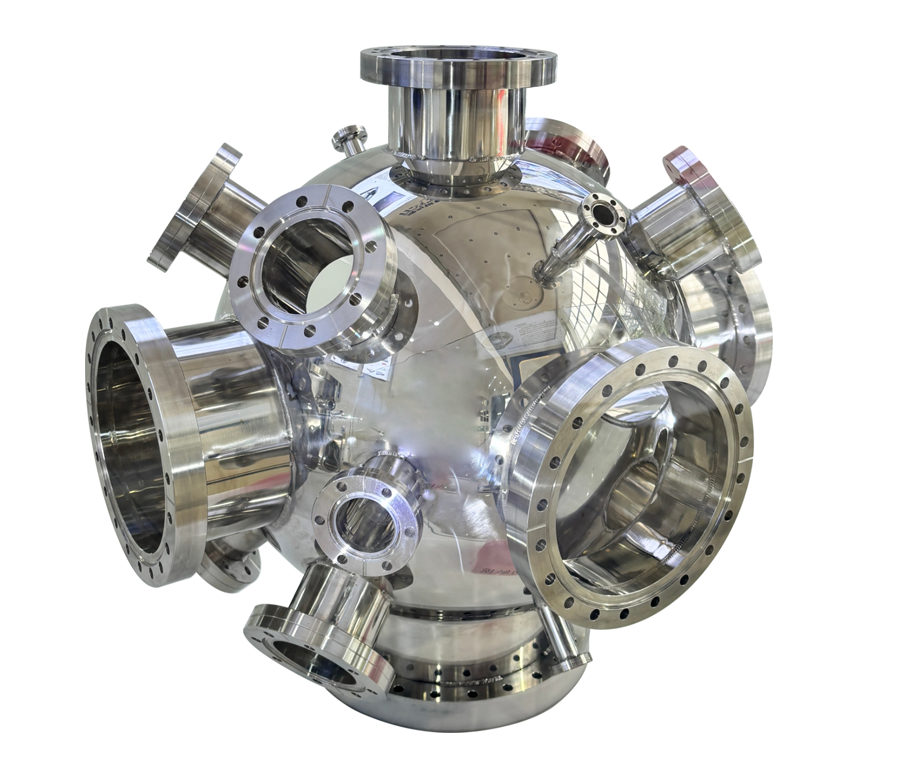

A vacuum chamber can appear perfectly good on the outside, but have a small issue on the inside. You may notice dust gathering on a surface. The seal may begin to crack, or oil in the pump may become soiled.
Eventually, the system requires a longer time to reach the pressure or delivers inconsistent results. These problems can be avoided through regular vacuum chamber maintenance. It also keeps clean parts and helps to maintain continuous production runs.
Having the right care plan doesn't have to be complicated. Begin with straightforward checks, safe cleaning procedures, and service records. This article will discuss some practical tips to ensure that your chamber will continue to function for years.
Why Vacuum Chamber Care is So Important?
The vacuum chamber operates in a very clean and controlled environment. Dirt can cause pressure problems or mar sensitive components. Grasping grease can also cause gas to build up in the system. This is why clean gloves and approved tools are important when providing service.
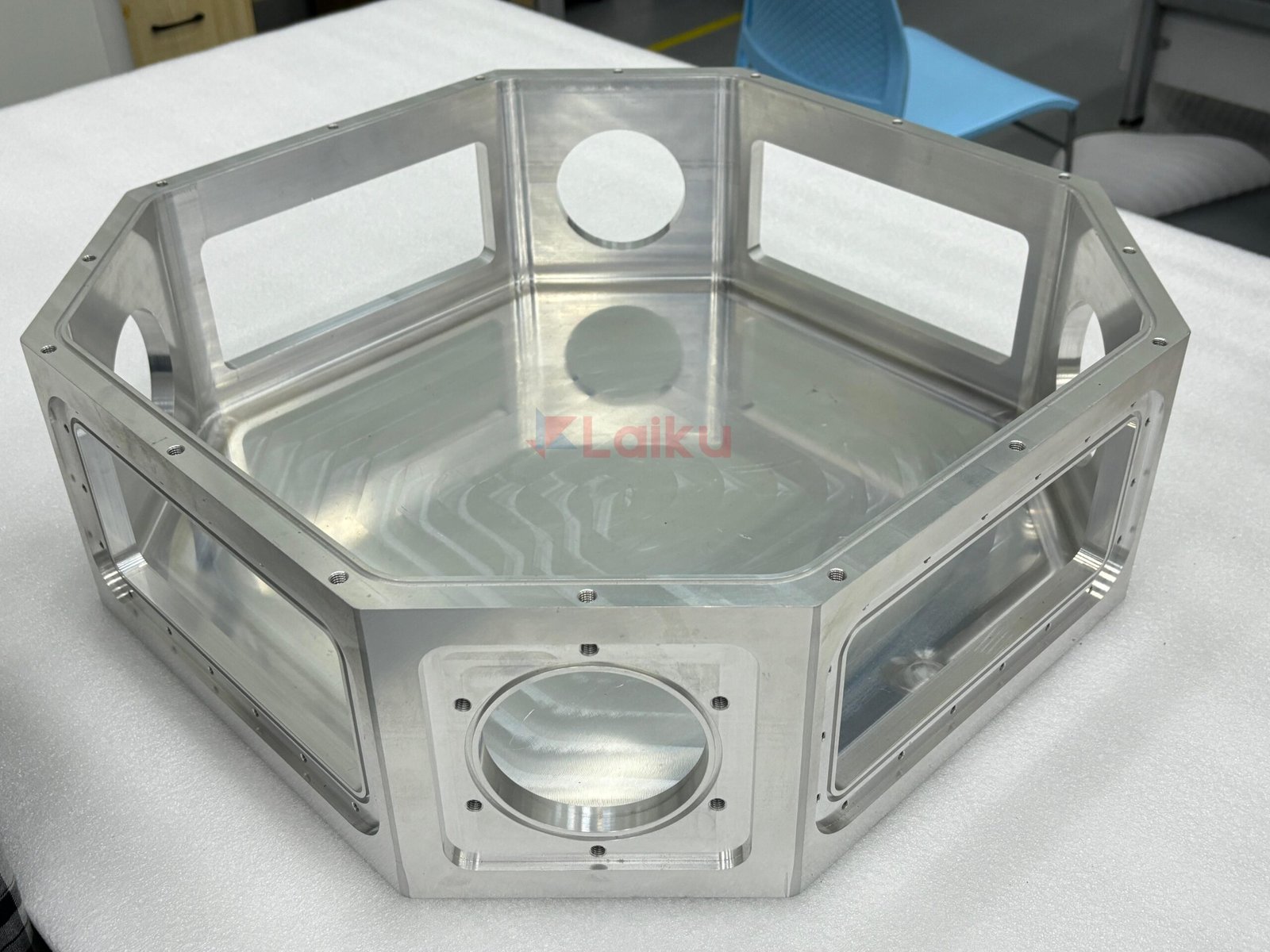
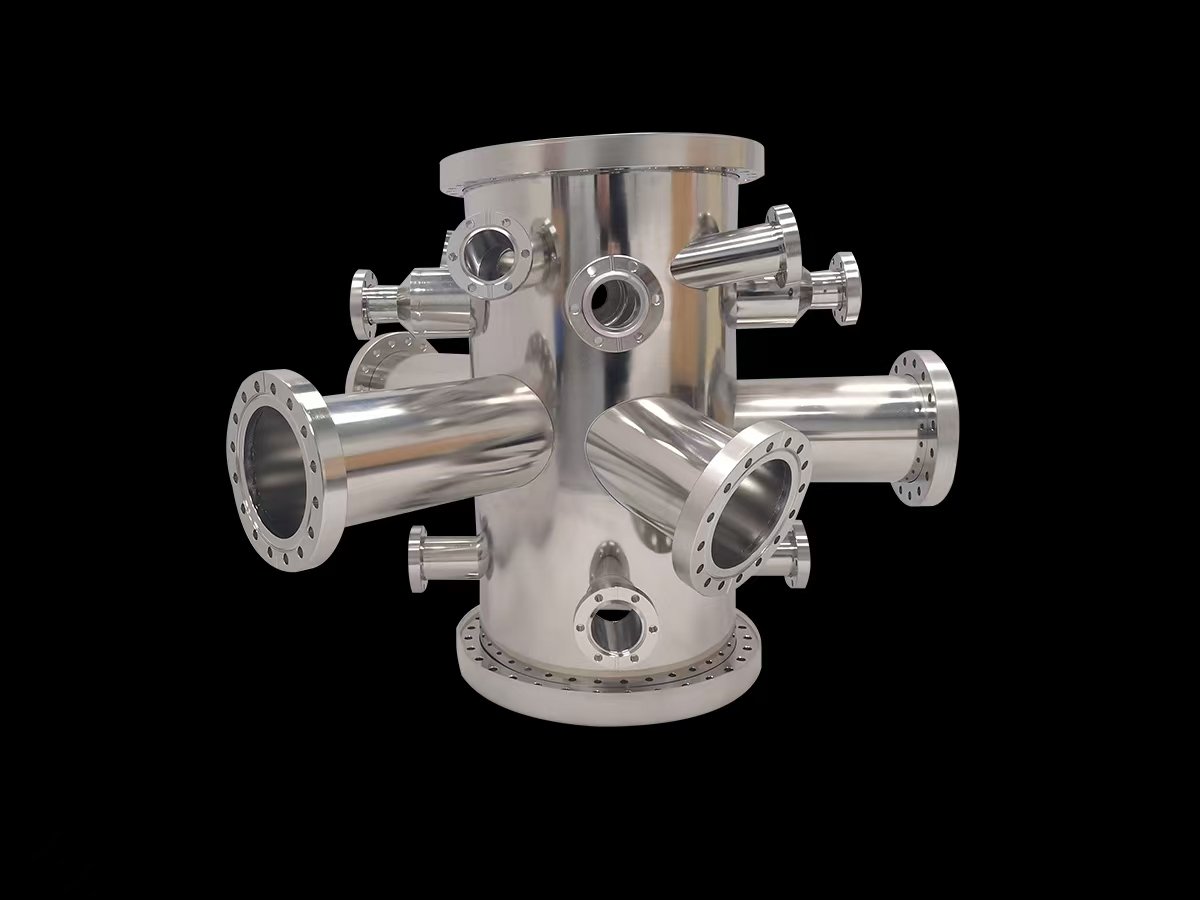
All parts that go into the chamber should be clean and dry. Regular care also helps to maintain the finish on the walls and the condition of each fitting. You can check out the products of the vacuum chamber to see how the chamber design is related to the needs of clean production.
Vacuum Chamber Maintenance Tips for Long-Term Performance
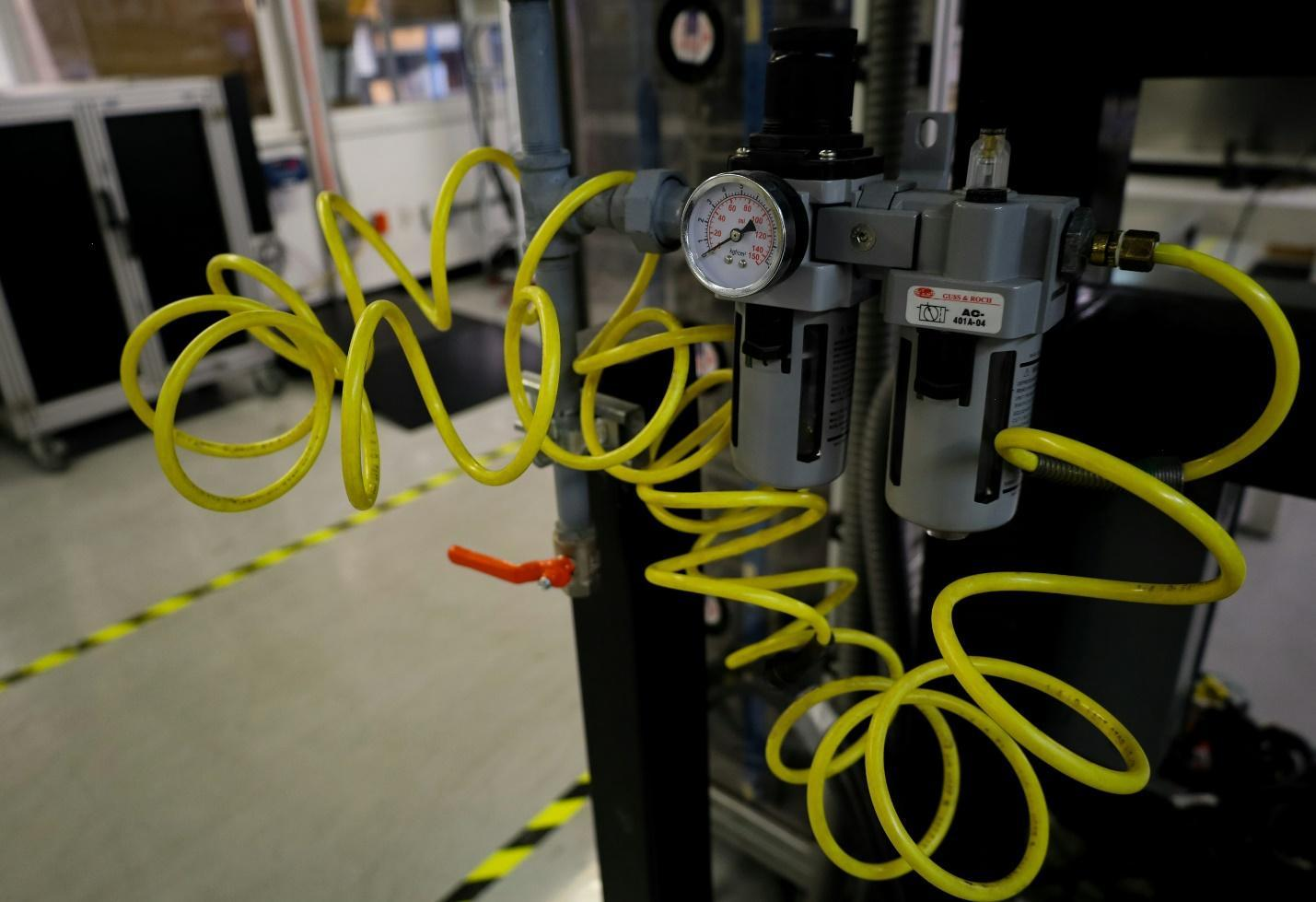
Image Source: Unsplash
Use the chamber maker's instructions as your main service plan. Apart from that, you can add the following checks based on operating hours, process residue, and past repair records.
Establish A Preventive Vacuum Chamber Maintenance Schedule
A well-defined preventive vacuum chamber maintenance program helps prevent small problems from becoming big ones. Write down the daily, weekly, monthly, and yearly checks. These checks should include:
- Cleaning dates
- Pump service
- Seal checks
- Gauge checks
- Leak tests
In a busy system, the service gaps may be shorter due to the rapid build-up of residue. Ensure that the plan is kept with the equipment, so that all operators complete the same steps. A simple checklist also shows which task was missed before a problem appeared.
Ensure That The Correct Chamber Cleaning Process Is Followed
Another important step in good chamber cleaning is using the right cleaning material with the right processes. Wear clean gloves, lint-free wipes, and use a cleaner recommended by the manufacturer. It is important to remove all cleaner prior to returning the chamber to service.
Thoroughly dry all surfaces, as moisture can slow the pump down. Rough pads and sharp tools may scratch a sealing face or wall. You can learn about clean assembly and surface treatment to know the related steps in the process of cleaning chambers.
Check Vacuum Seals and Flange Faces from Time to Time
Slow pump-down or unstable pressure may occur due to worn vacuum seals. That is why you need to check O-rings for cuts, dirt, flat spots, twisting, and cracks. Do inspect metal gaskets after opening a flange, as many metal gaskets are designed for single use.
Clean sealing grooves using an approved method. Avoid dents and scratches on flange faces. Change a seal that is damaged, rather than forcing it through one more time. This shortcut could result in a leak during production.
Regularly Vacuum Pump Maintenance Is Vital
The chamber relies on the pump, so vacuum pump maintenance is a part of the same plan. It is imperative to inspect the oil level and the condition of oil-sealed pumps. Check filters, cooling components, hoses, and exhaust lines.
Hear for sounds that are new and feel for unusual vibrations. Use the manufacturer's service hours as a guideline; pumps vary in their service hours. Document each oil change/replaced part. Repeat faults will be easier to identify if the service log is kept clean.
Record Pump Down and Pump Up Changes
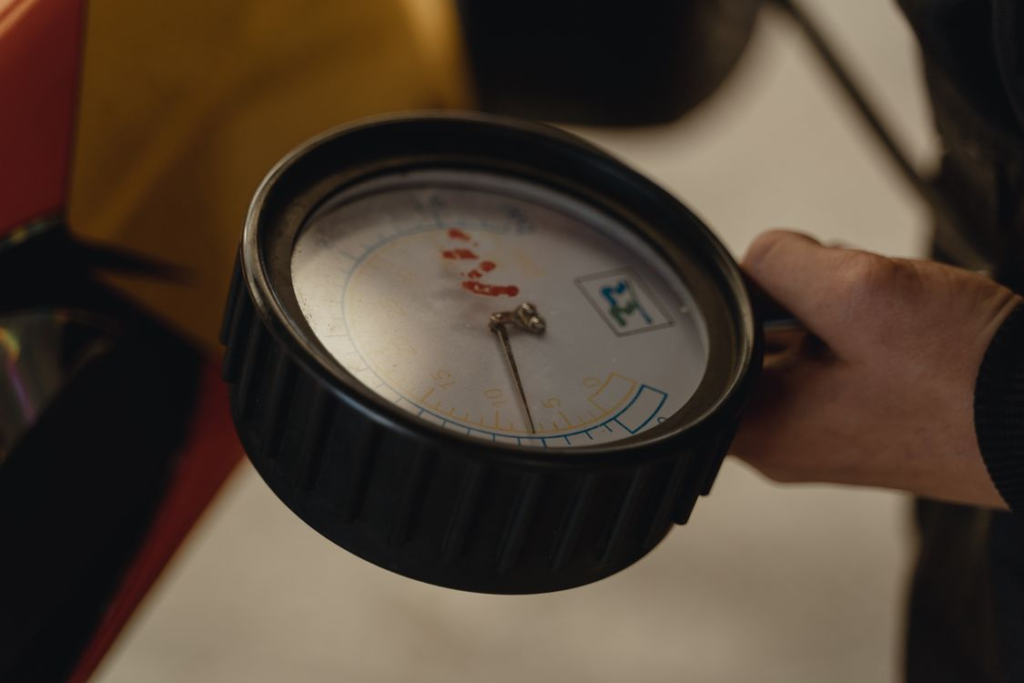
Record normal pressure and pump-down time after the chamber is clean and stable. Use the numbers as a service baseline. If a slow change is observed, it could indicate a residue, weak pump, worn seal, or loose fitting.
Record all repairs next to the new reading. The record then makes a clear story. You don't need to wait for a total shutdown to take action on a pattern.
Signs the Chamber Needs Professional Service
Image Source: Pexels
Some issues do not require another quick cleaning or seal change. If any of these symptoms are observed, shut down the system and schedule a competent inspection. Here are the signs to look out for:
- A leak occurs shortly after a seal or gasket has been replaced.
- A weld seam is an area of crack, dark line, pit, or raised area.
- A flange face that has a deep scratch, dent, or bent edge.
- Pressure continues to be unstable once the pump and gauges are passed.
- Repeated residue or heavy corrosion occurs in the same place.
Professional repair can involve weld work, surface repair, deep cleaning, or leak testing. You might also need professional welding service in case of damage to the chamber.
Wrapping Up
A vacuum chamber is kept clean, sealed, and ready for daily use only with steady care. Follow a written schedule, monitor pressure changes, and prevent minor issues from escalating. Check out LAIKU's vacuum chamber products and get a quote for clean, stable semiconductor equipment that is tailored to your project needs and supported by LAIKU's factory.
FAQs
How many times per year should a vacuum chamber be serviced?
The time of service is dependent on operating hours, process residue, chamber cycles, and maker instructions. Monitor busy systems frequently and note each task completed.
How to clean a vacuum chamber safely?
It is best to take the services of approved cleaners. You should use clean gloves, lint-free wipes, and dry surfaces thoroughly. Do not use rough tools that can scratch the sealing faces, ports, or walls.
What impact do worn vacuum seals have on chamber performance?
Vacuum seals that are worn can allow air to enter the system. This can result in pump-down issues, pressure drift, leak test failure, and production stoppage.
How can you tell if a vacuum pump needs maintenance?
Look for unusual noise, vibration, heat, dirty oil, weak pumping speed, or increasing pump downtime. Adhere to the pump manufacturer's service guidelines.
Why is it that leak testing comes after chamber maintenance?
Sealed joints may be disturbed by cleaning, flange removal, seal work, or repair. The chamber is ready for safe operation when a leak test is performed.


喷淋电极板-scaled-e1787042008638.jpg)