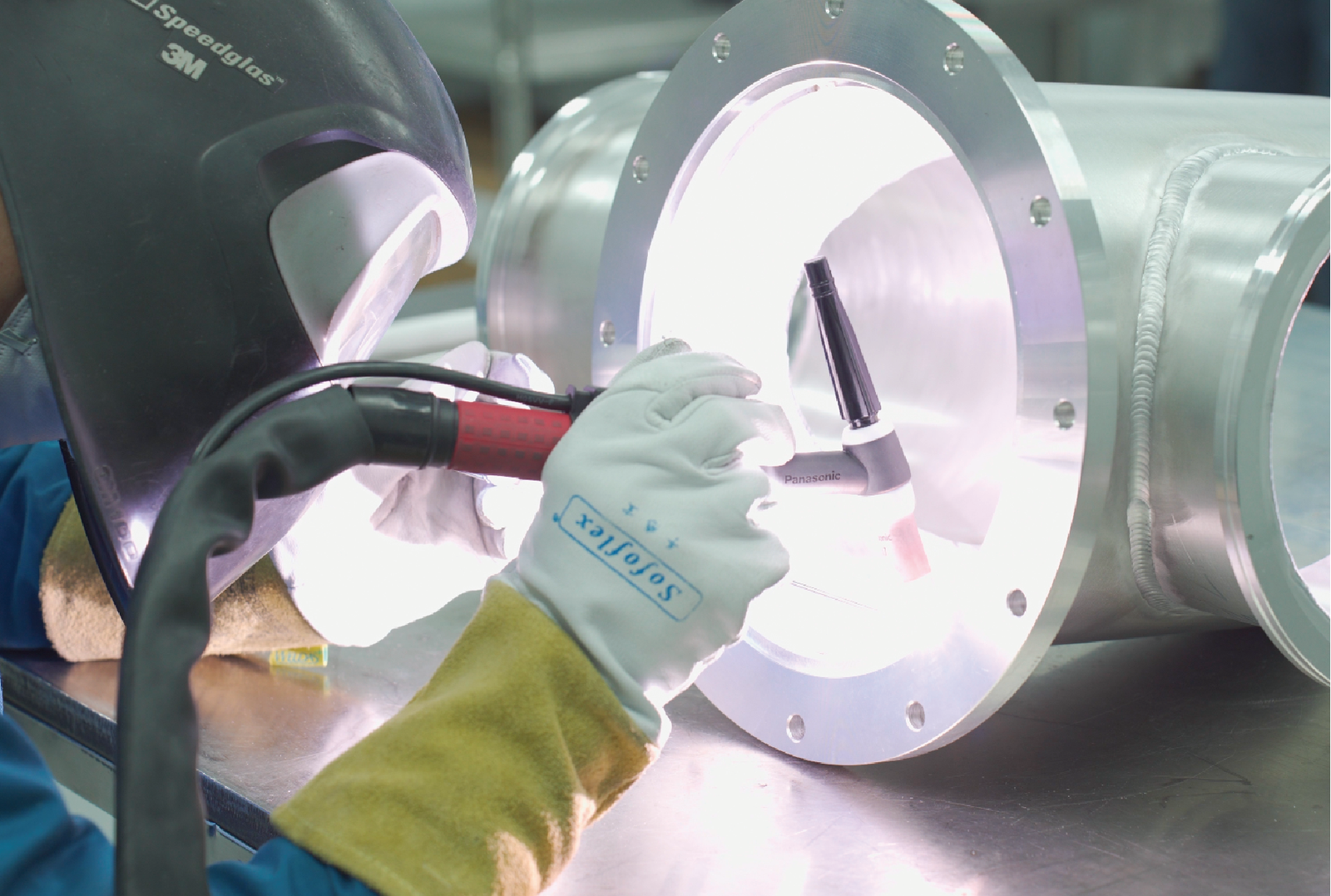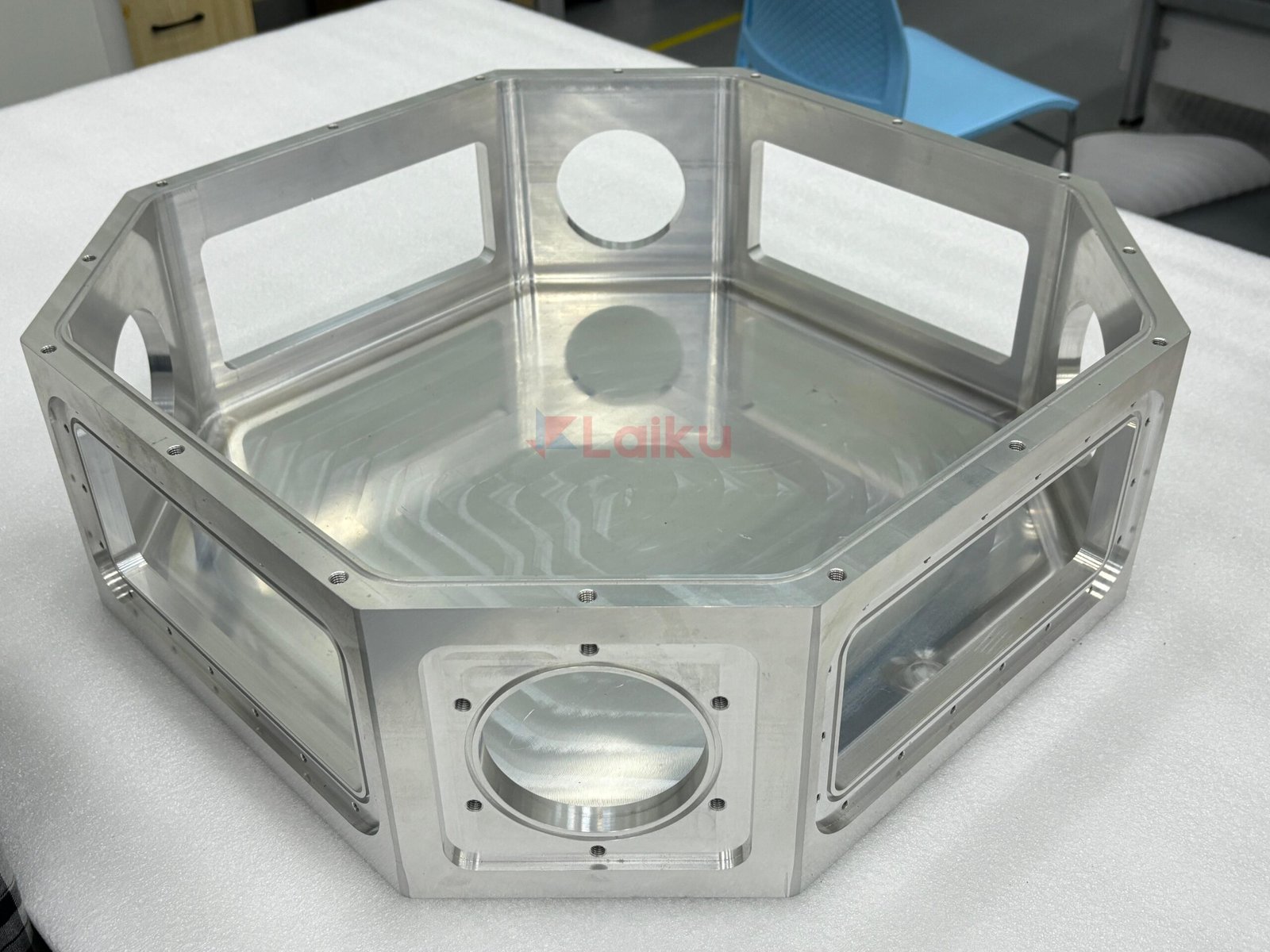

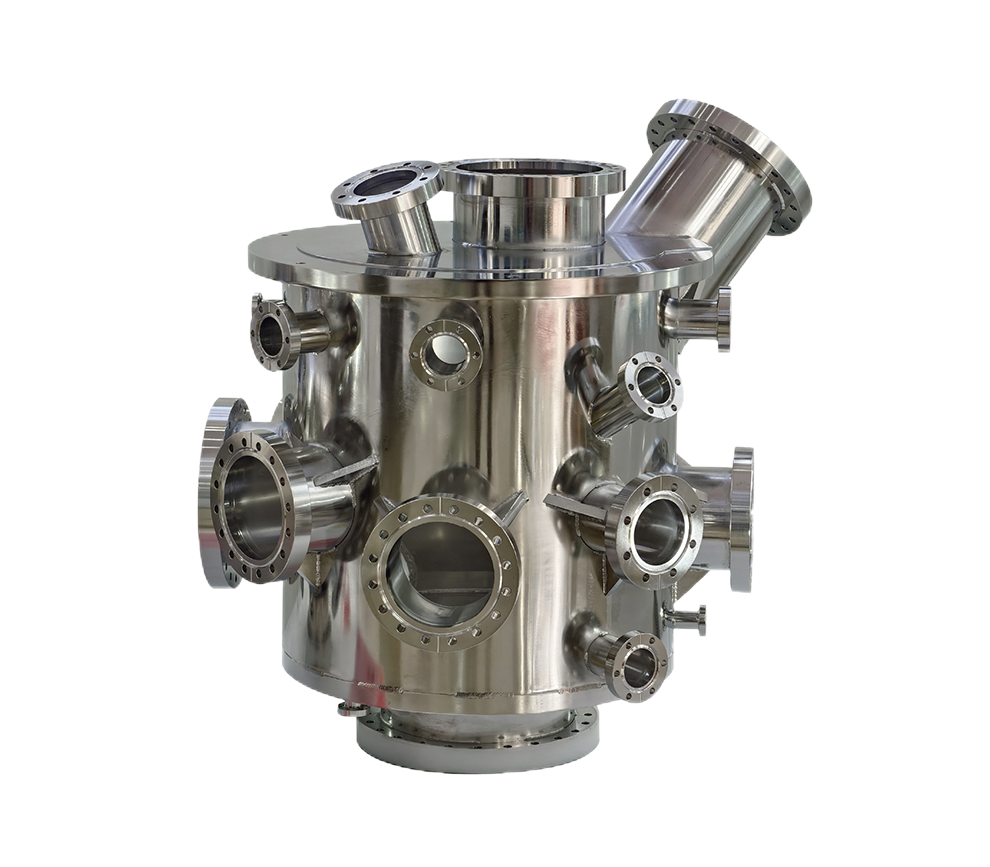
Not sure which material fits your custom vacuum chamber? Our 30-year engineering team helps you decide. Request a free quote from LAIKU today!

Introduction
The material choice is one of the most consequential decisions in vacuum chamber design — it affects leak rates, outgassing, weight, cost, and compatibility with process gases.
The engineering teams at LAIKU have spent 30 years navigating these trade-offs. There is no single "best" vacuum chamber material; the right choice is a function of your specific process gases, target vacuum levels, and mechanical constraints.
In this blog, we break down the two dominant choices — aluminum alloy and stainless steel — across the criteria that matter most!
Overview of the Two Main Materials
Aluminum Alloy (typically 6061-T6 or 5083)
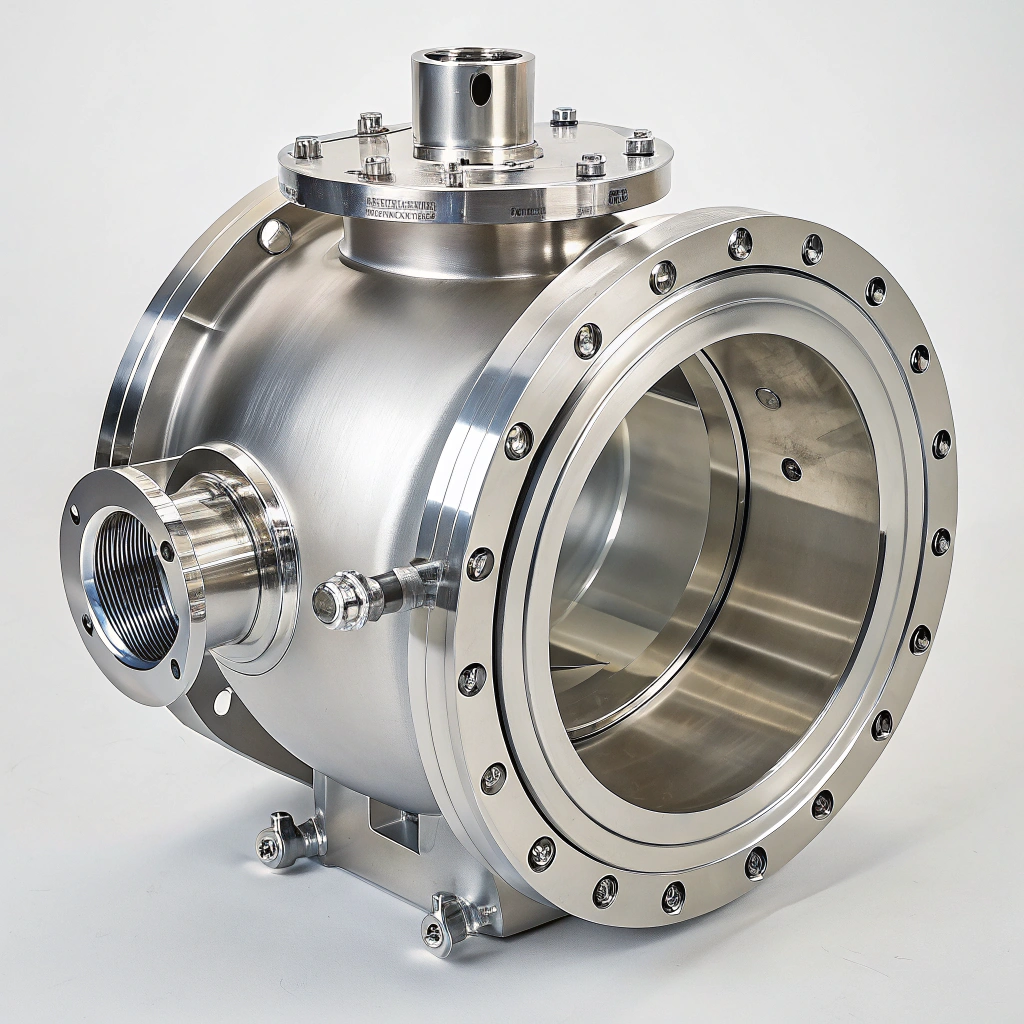
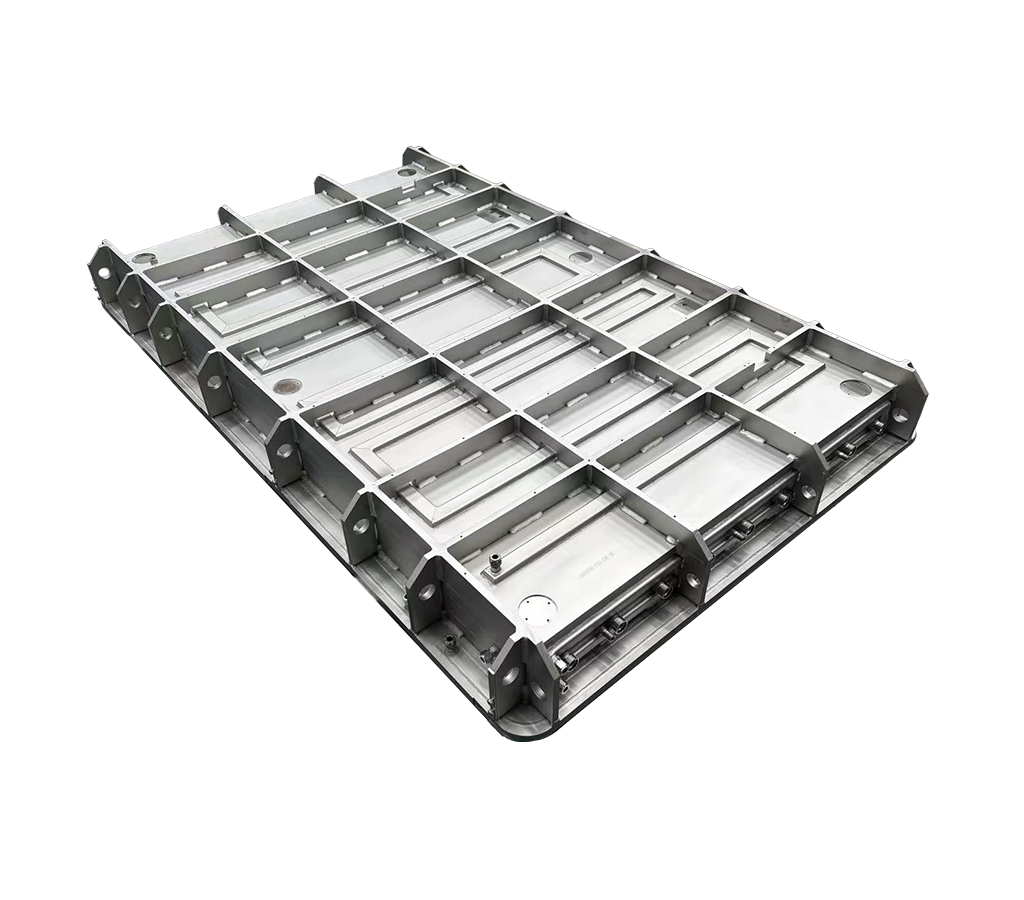
This material is lightweight, thermally conductive, and easier to machine. Aluminum is commonly used in flat panel display (FPD) equipment, PVD/CVD systems, and photovoltaic chambers — applications where size, throughput, and cost-efficiency drive the design.
Stainless Steel (typically 304L or 316L)
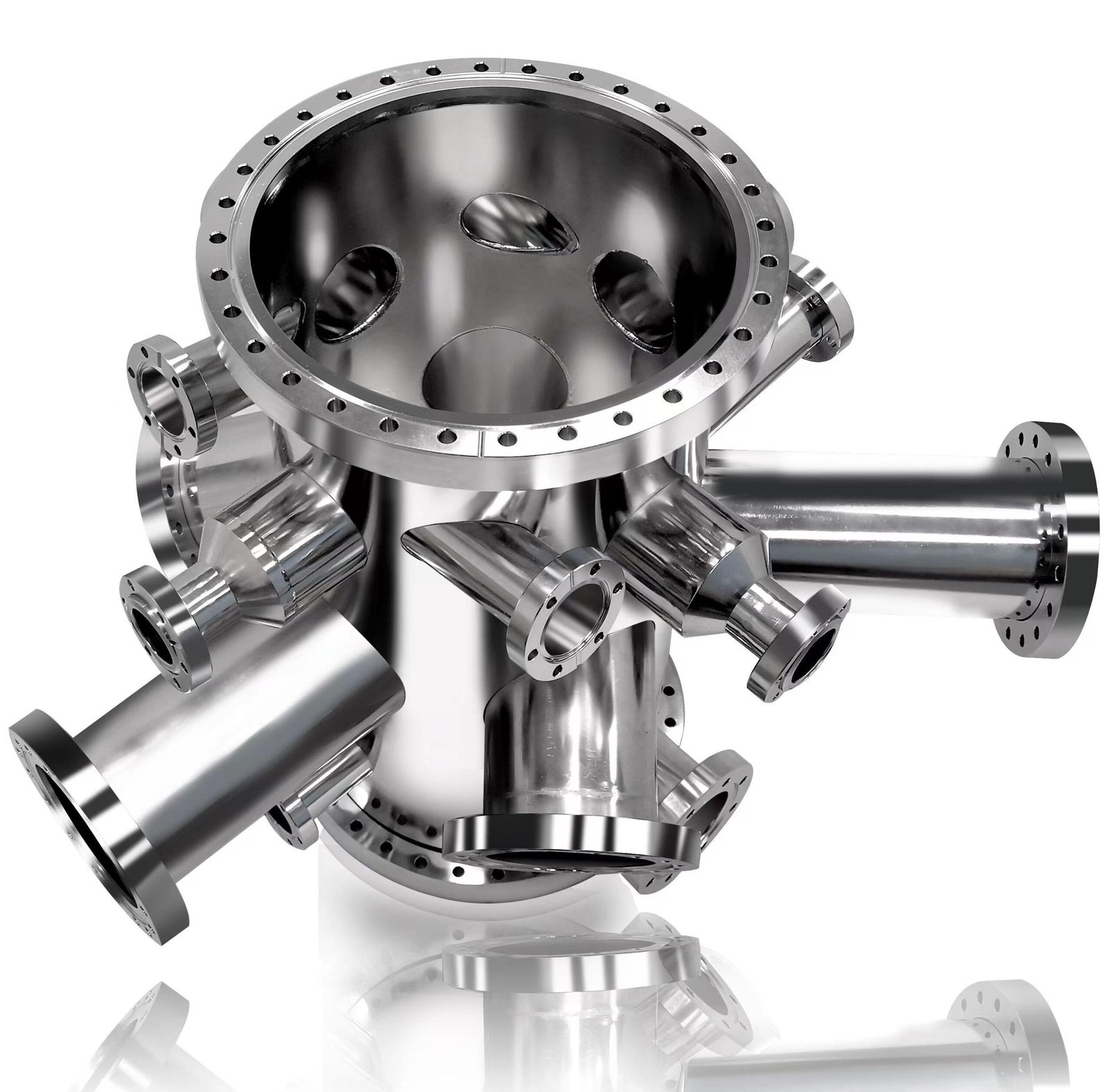
This material offers higher strength, excellent corrosion resistance, and lower outgassing after baking. Stainless steel dominates ultra-high vacuum (UHV) semiconductor equipment, scientific instruments, and ion beam systems where pressures below 1.33 × 10^{-7} Pa are required.
Comparing Them Across 5 Key Criteria
1. Vacuum Performance & Outgassing
Stainless steel, after a proper bake-out, reliably achieves UHV pressures below 1.33 × 10^{-7} Pa. Aluminum has higher inherent outgassing but performs well in the high-vacuum range (1.33 × 10^{-4} to 1.33 × 10^{-6} Pa), particularly when treated with hard anodizing or electropolishing.
2. Machinability & Lead Time
Aluminum is significantly easier and faster to machine, relevant for tight deadlines and large chambers. Stainless steel demands more tooling time but allows tighter tolerances on small, complex geometries, including the knife-edge CF flanges critical for UHV sealing.
3. Weight & Structural Considerations
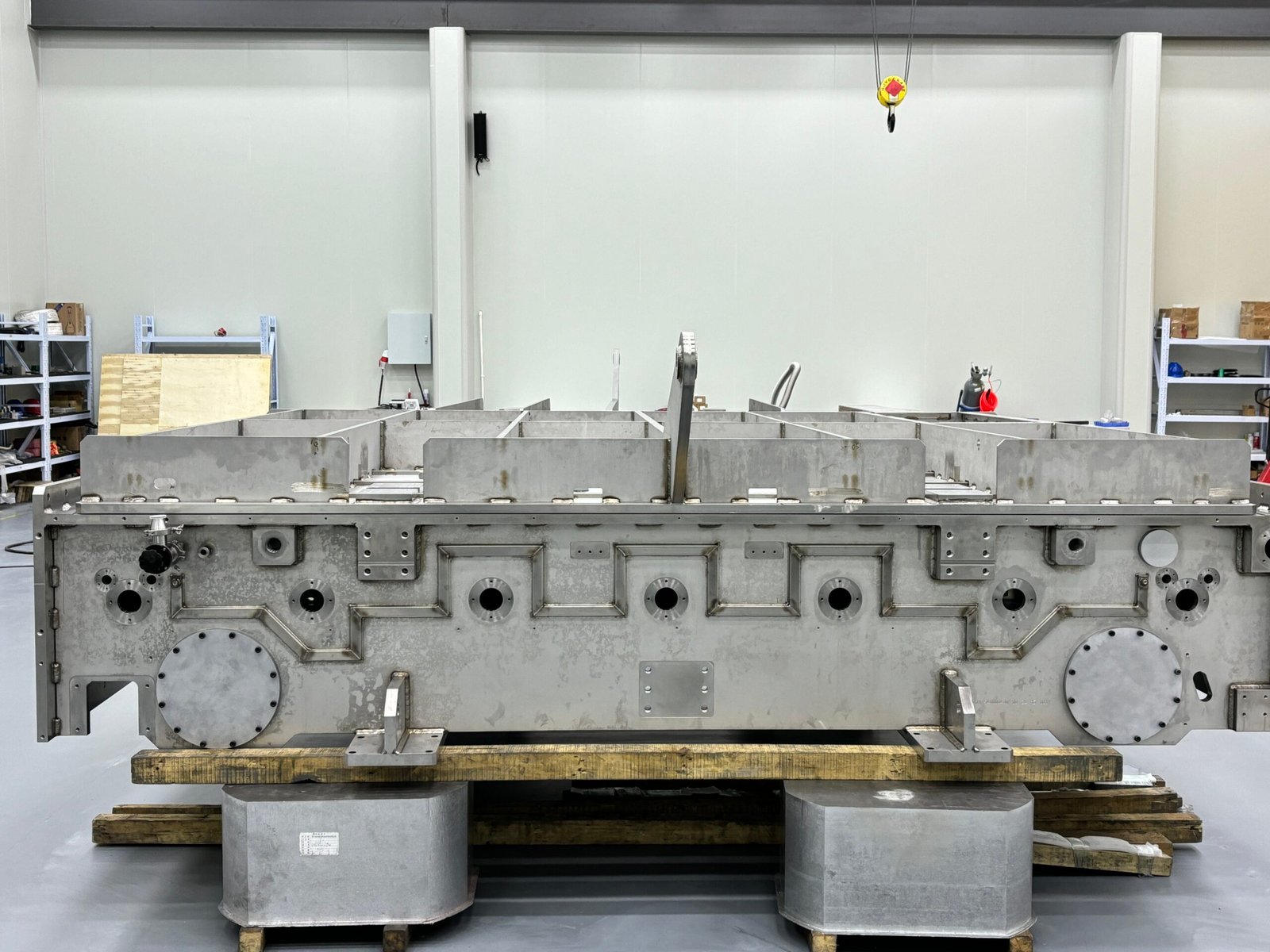
Aluminum is roughly one-third the weight of stainless steel, a decisive advantage for large-format chambers. LAIKU manufactures chambers up to 6,500 × 4,200 × 1,800 mm, where aluminum is often the only practical option. The larger vacuum chambers are manufactured upon request. Stainless steel, in turn, handles higher internal pressures and mechanical stress more reliably.
4. Compatibility with Process Gases & Plasma
For corrosive chemistries — chlorine, fluorine-based etch gases, and aggressive plasma environments — stainless steel is the industry standard. Aluminum, when properly anodized or electropolished, performs well in many deposition processes (sputtering, PVD, evaporation) where the chemistry is less aggressive.
5. Cost
Aluminum is typically lower in both material and machining cost. Stainless steel carries a higher upfront price, but in corrosive or high-cycle environments, longer service life and reduced maintenance often lower the total cost of ownership.
What Your Application Tells You About Your Material Choice?
It is recommended to use these pairings as a starting point:
- Semiconductor Etch / CVD: → Stainless Steel (Corrosion Resistance, UHV Performance)
- PVD / Sputtering / Coating → Either; Aluminum Common for Large Batch Systems
- FPD / Display Manufacturing → Aluminum (Large Format, Weight-Critical)
- Photovoltaic Equipment → Aluminum (Cost-Sensitive, High Throughput)
- Scientific Research / Ion Beam → Stainless Steel (UHV, Bake-Out Required)
The Role of Surface Treatment in Bridging the Gap
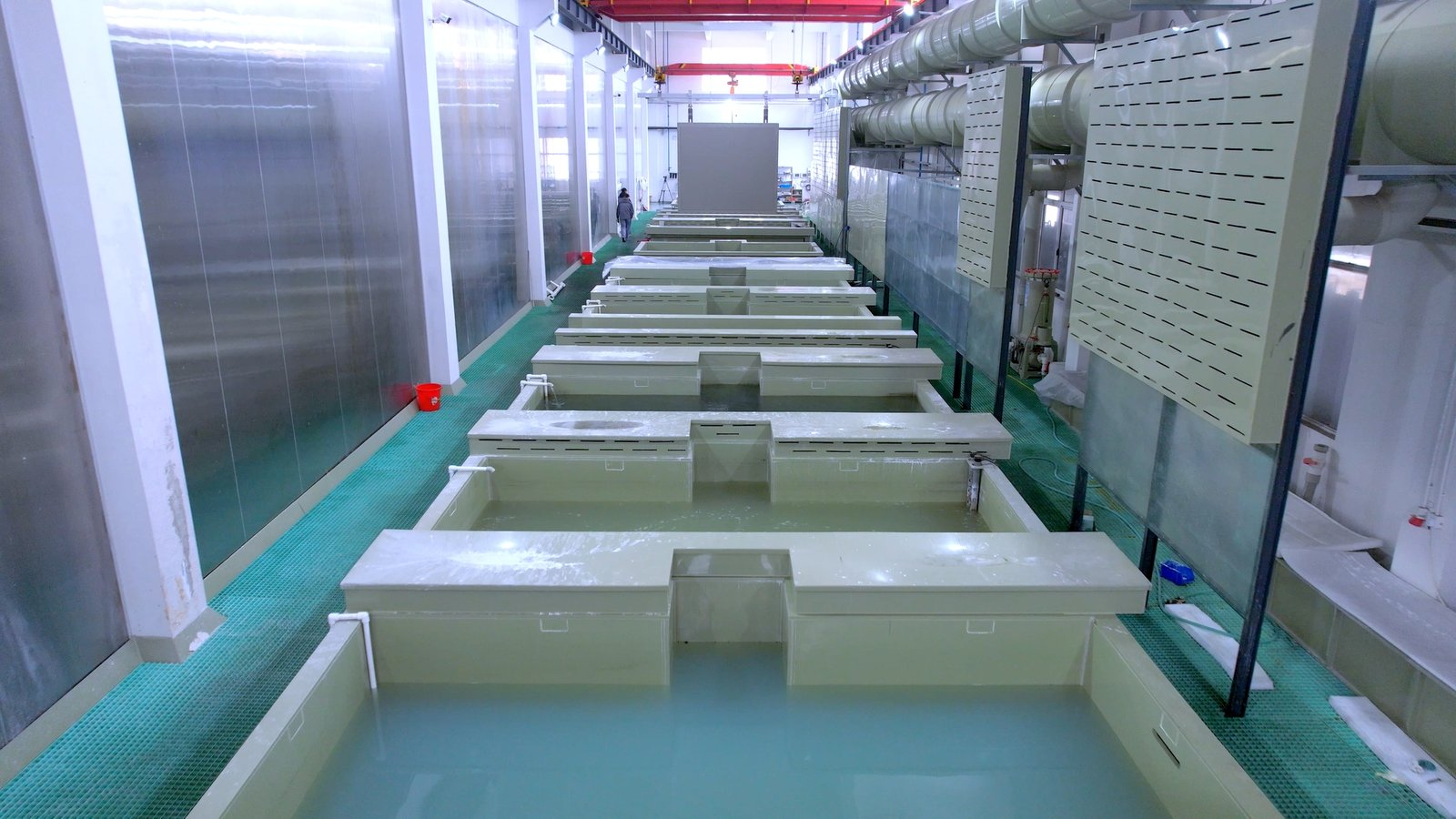
Material is only part of the equation. The surface treatment can meaningfully extend the usable vacuum range of either metal. Hard anodizing or electropolishing aluminum reduces outgassing and improves resistance to plasma erosion. For stainless steel, electropolishing and passivation smooth the interior surface, reduce real surface area, and lower outgassing rates further still.
We, at LAIKU, provide several options:
- Electropolishing (EP): Removes the "micro-peaks" on the surface, reducing the total surface area and lowering outgassing for both materials.
- Hard Anodizing: Creates a dense, protective oxide layer on aluminum, increasing its resistance to plasma erosion and chemical attack.
- Sandblasting & Bead Blasting: Used to create a uniform surface finish or to prepare the surface for subsequent coatings.
Working with Your Manufacturer on Material Selection
It is recommended to finalize your material choice before submitting final technical drawings. This is because aluminum and stainless steel require different wall thicknesses to handle vacuum loads, different welding techniques (TIG/MIG), different flange designs (e.g., CF vs. ISO flanges), and shipping logistics.
Sharing the following with your supplier early significantly shortens the quoting cycle. The parameters include target base pressure, pump-down time, process gas chemistry, concentrations, bake-out temperature requirements, required cycle life and uptime targets.
Conclusion
Both aluminum and stainless steel have a clear presence in vacuum chamber design. Aluminum wins on weight, machinability, and cost for large-format HV applications. Stainless steel wins on UHV performance, corrosion resistance, and longevity in harsh chemistries. The right choice depends on your pressure target, process chemistry, budget, and chamber geometry.
Ready to start your project? Contact our engineering team today to discuss your specifications and get a professional material recommendation.
Frequently Asked Questions (FAQs)
1. What is the best custom vacuum chamber material?
A. There is no single "best" material. Stainless steel is best for UHV and corrosive gases; aluminum is best for large-scale systems, weight sensitivity, and cost-effective high-vacuum applications.
2. What is the difference between aluminum and stainless steel vacuum chambers?
A. The primary differences are weight (aluminum is 1/3 the weight), vacuum performance (stainless steel reaches lower pressures), and cost (aluminum is generally cheaper to manufacture).
3. Which vacuum chamber material is better for semiconductor etching equipment?
A. Stainless steel (typically 316L) is the preferred choice for semiconductor etch chambers because of its corrosion resistance against fluorine- and chlorine-based process gases combined with its UHV compatibility.
4. How long does it take to manufacture a custom vacuum chamber?
A. Lead times depend on size, complexity, and material. Aluminum chambers generally move faster through machining; stainless steel UHV chambers take longer due to tighter tolerances and additional surface treatment steps.
5. What is the largest custom vacuum chamber that can be manufactured?
A. LAIKU manufactures chambers up to 6,500 × 4,200 × 1,800 mm; even larger vacuum chambers are manufactured upon request. Chambers at this scale are typically built from aluminum alloy to manage weight without compromising structural integrity.
6. Where can I get a custom vacuum chamber manufactured to my drawings?
A. LAIKU manufactures custom vacuum chambers for client drawings, offering in-house machining, welding, surface treatment, and leak testing. Submit your drawings or specifications through our quote request form for engineer review.