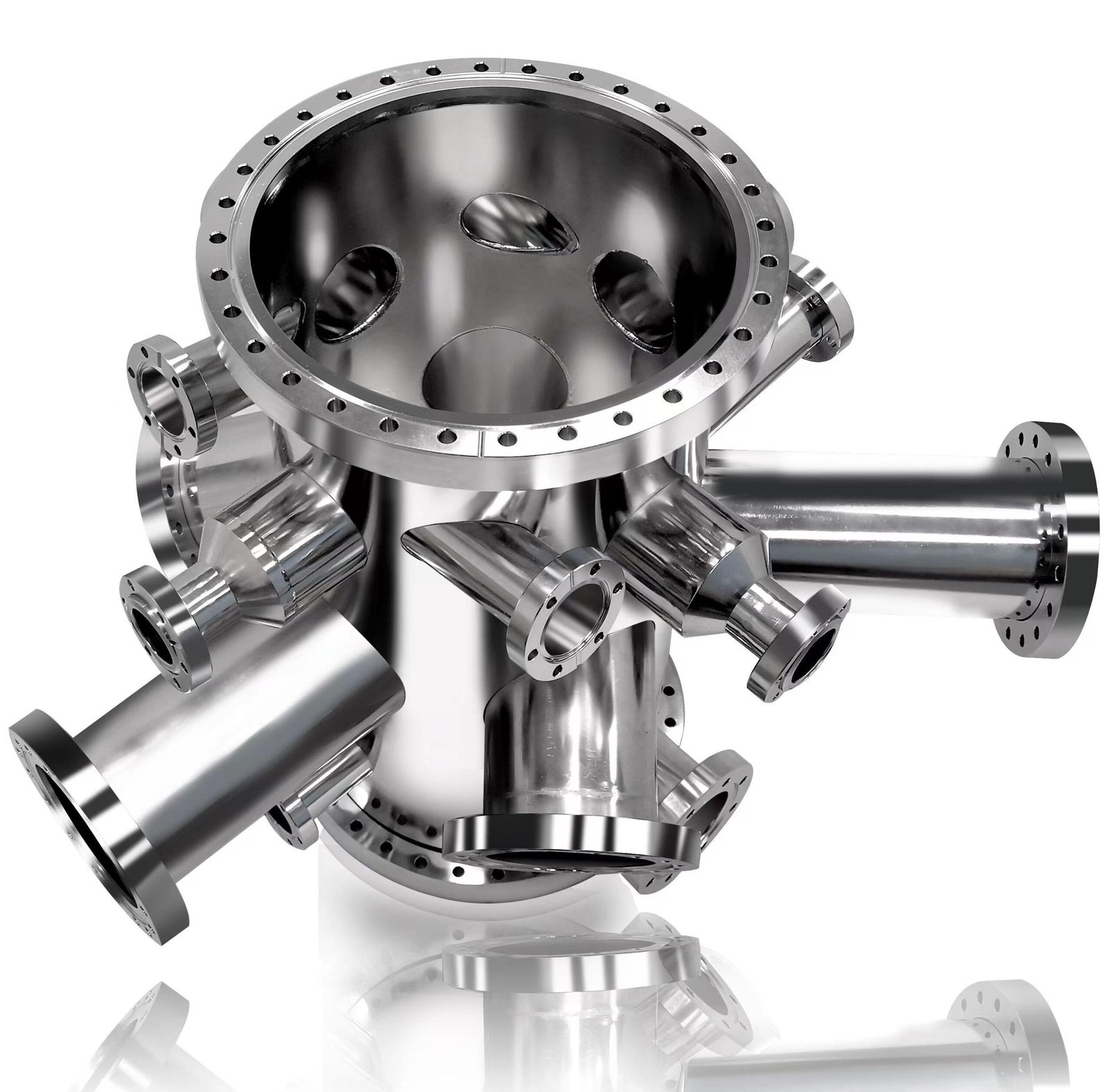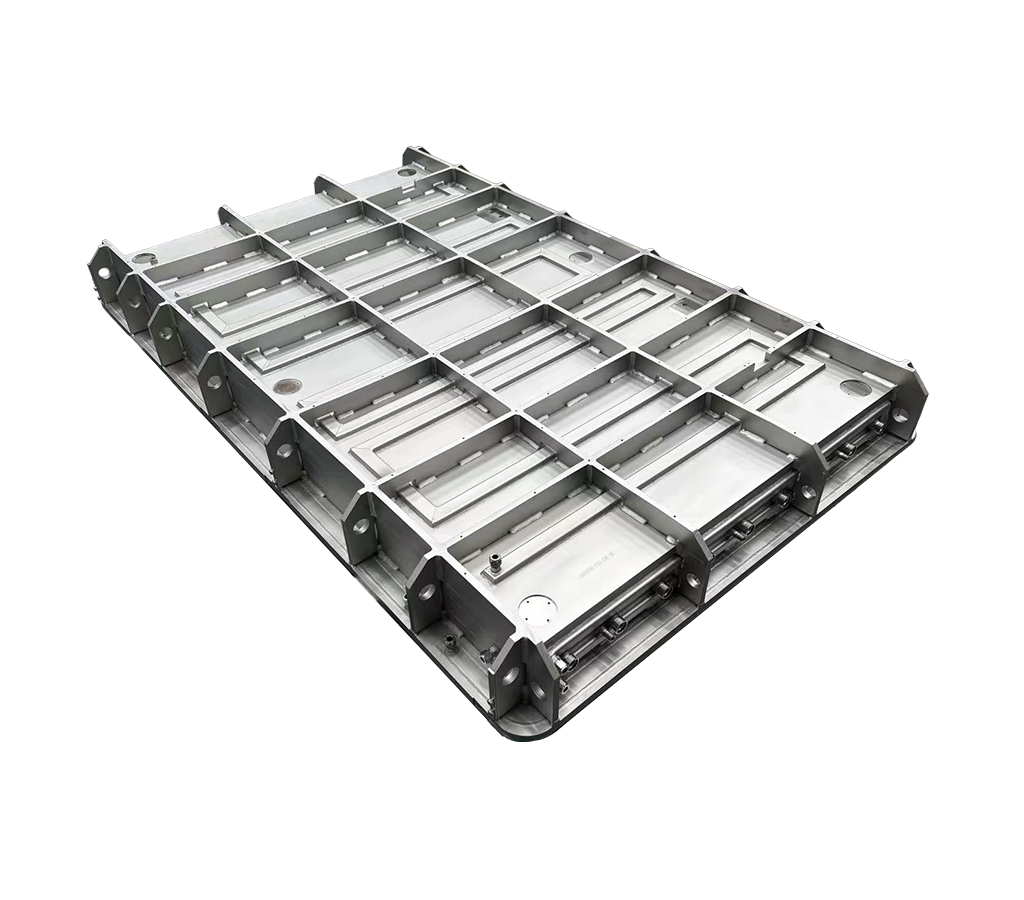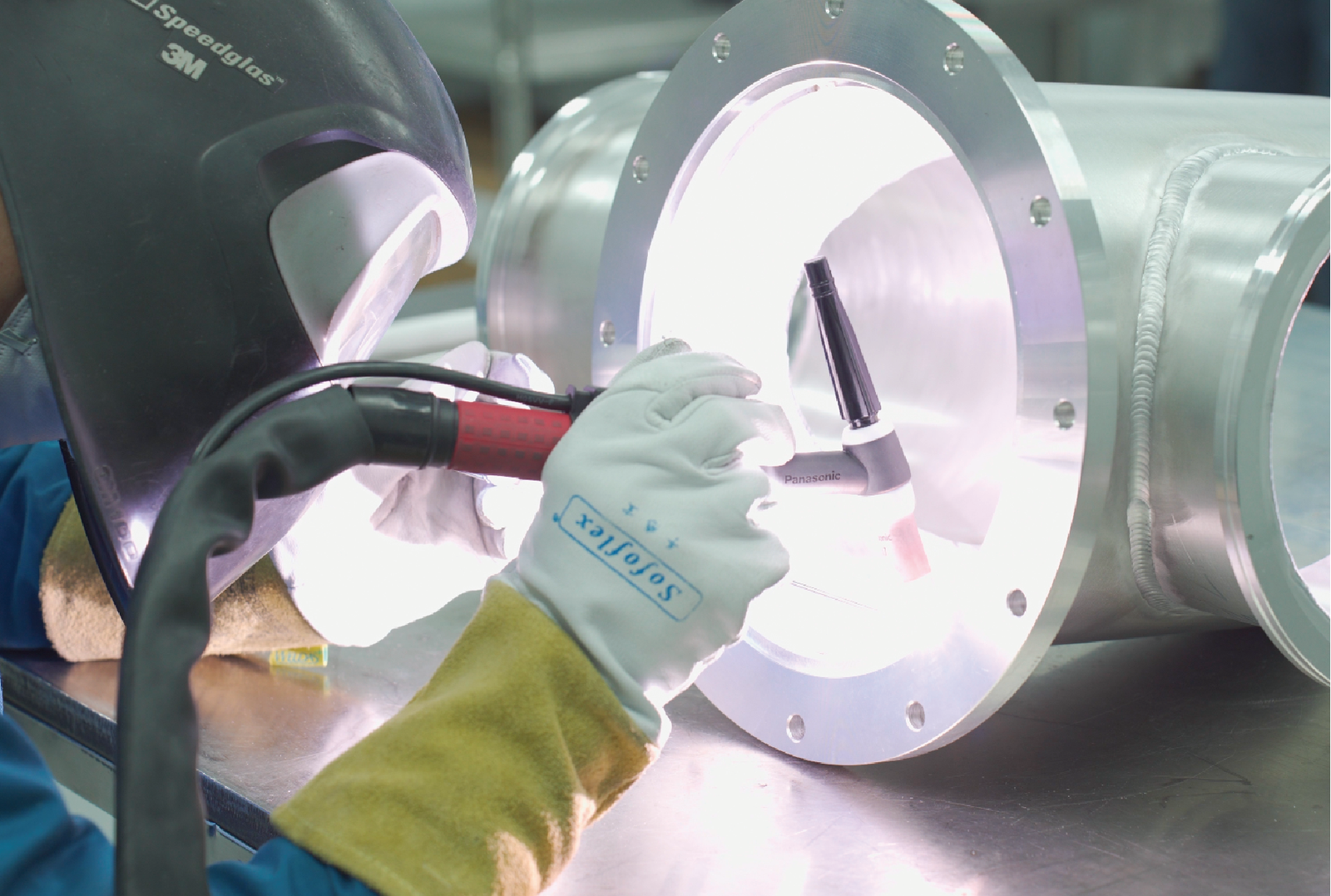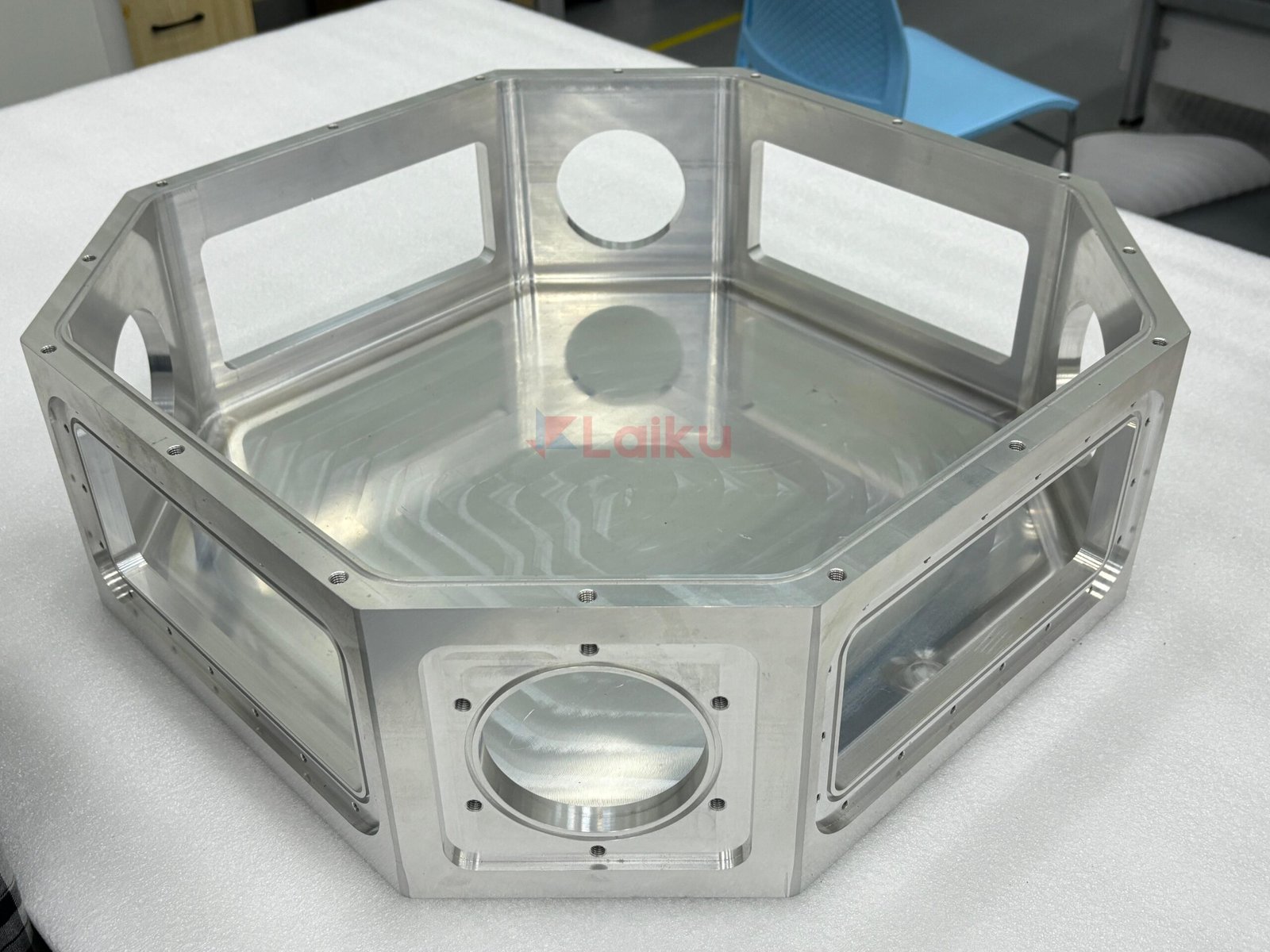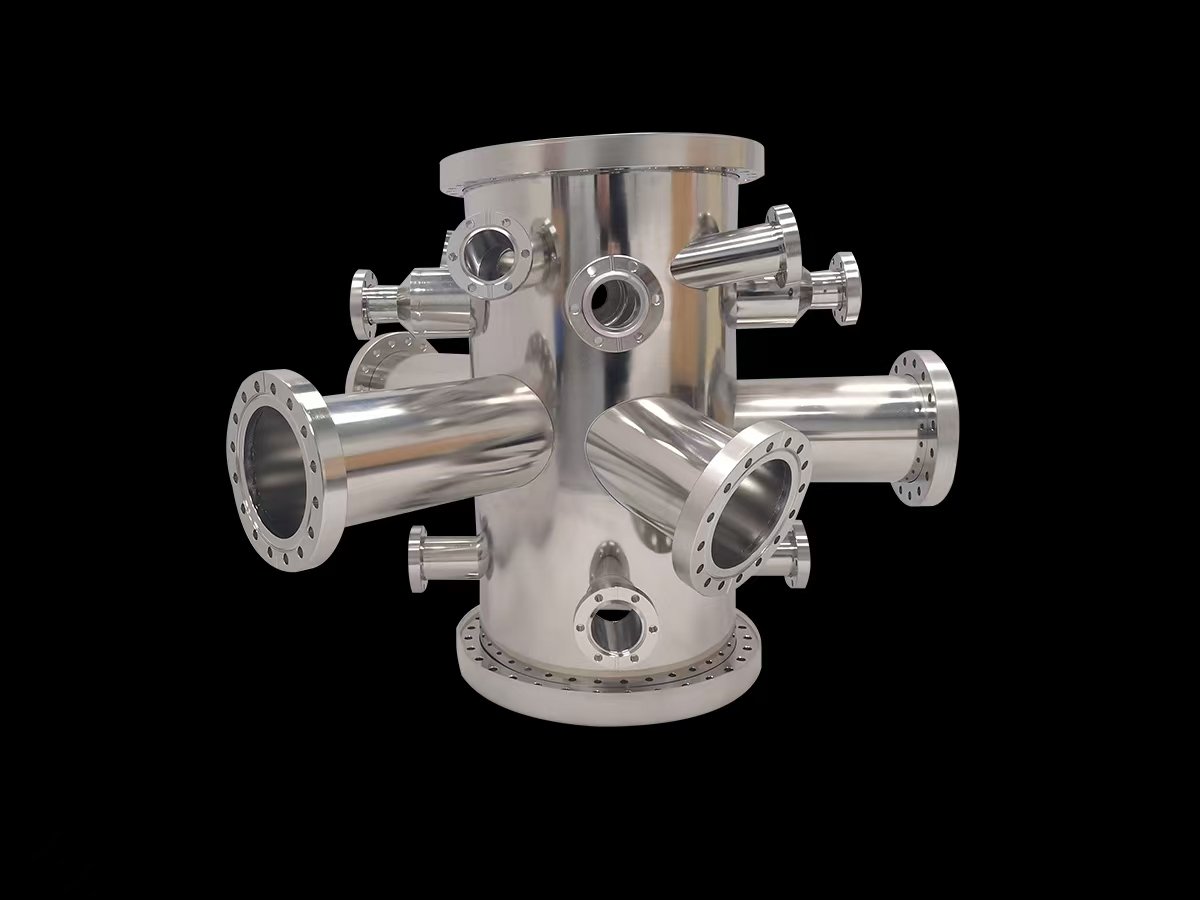


In semiconductor manufacturing, even minor gas leaks can completely disrupt the process as well as the final product. It can also damage the expensive instruments and materials you are using in this process.
Shortly, this process demands extra care regarding gas leakage detection and removal. Despite learning how vacuum chamber leak testing works, you must also learn why this industry is heavily relying on Helium leak testing.
This guide will help you learn how Helium testing ensures semiconductor vacuum chamber performance. Let's learn about this topic and understand the impact of this testing type.
What is Helium Leak Testing?
It is a specific testing technique used in semiconductor manufacturing and many other industries for leak detection in the system. Helium leak testing is used for seal integrity testing, in which Helium gas is used as a tracer.
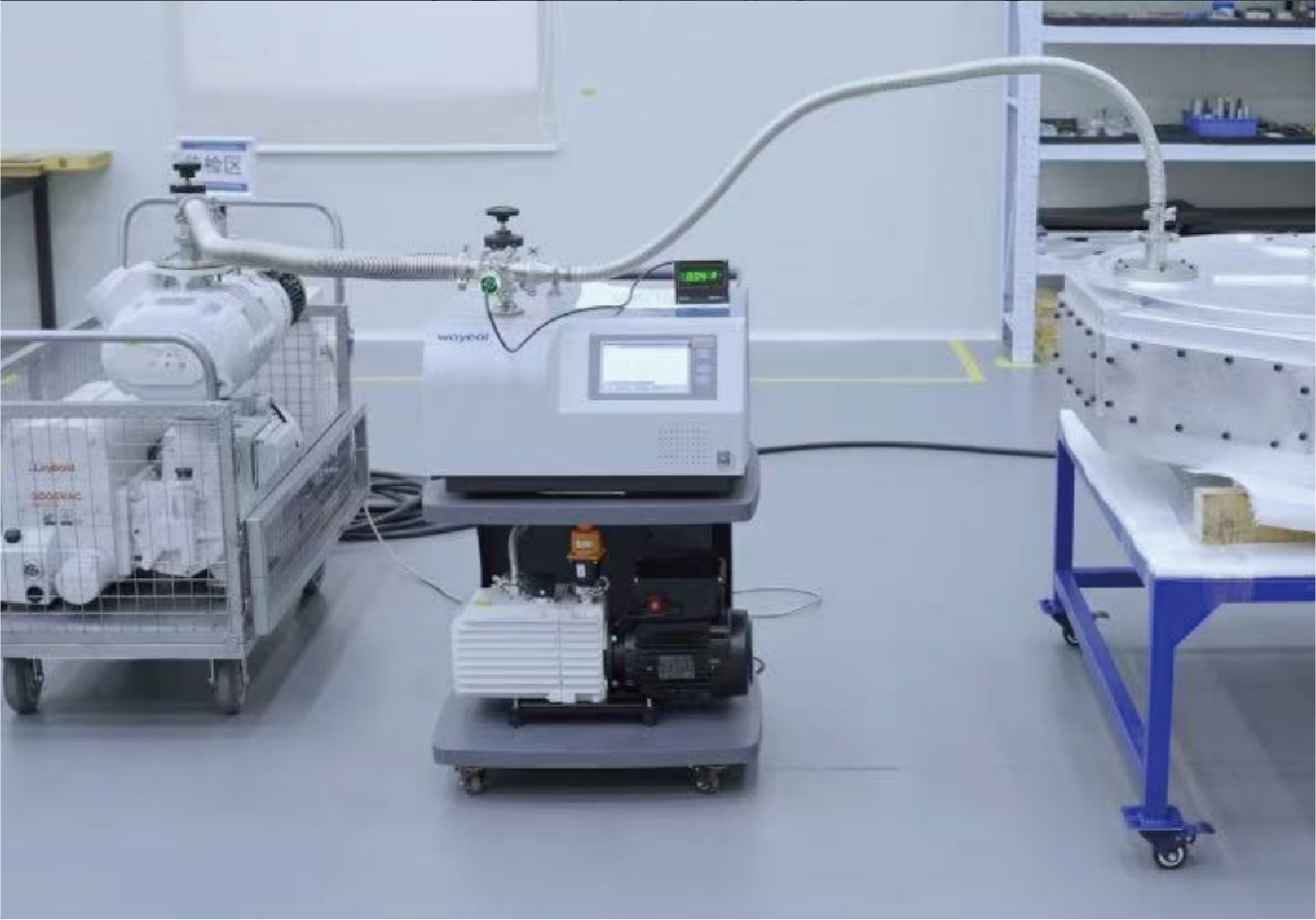
Having a small molecular weight, this gas can trace even the smallest leaks from a vacuum chamber or other system. Engineers use the measurements taken from the leaked Helium quantity to identify the main problem and solve it for improved efficiency.
4 Ways Helium Leak Testing Helps Improve Vacuum Chamber Performance
When compared to old traditional techniques and testing methods, Helium works better than those in many aspects. While using this approach, you will have multiple prominent advantages regarding the measurement of leakage, the impact on the efficiency of vacuum chambers, and others.
Let us share a few of those advantages that you will surely get from this type of leakage testing.
Ultra-High Sensitivity Detection
The most prominent advantage that you will get from Helium testing is ultra-highly sensitive detection. This test can identify leaks from vacuum chambers in the range of 10⁻⁹ mbar·l/s that is much higher than old techniques.
It enables the engineers to find the smallest defect in seals or connections that may not be detectable visually or through traditional methods.
Quantitative Capability
Helium leakage testing provides accurate and measurable leak rates. It means that this isn't a qualitative leakage method but a quantitative method. This measurement type is highly valuable when it comes to confirming with industry standards.
As a result, you will have better chances of getting consistent quality in your final products along with compliance with standards. This is how Helium testing helps engineers avoid any complications and work within the industry standards.
No Functional Damages
Being from the semiconductor manufacturing industry, we know that vacuum chambers are vital products without which we can't get reliable outcomes. Old testing methods have shown minor to major impacts on the functional operations of the machine as well as the testing product.
Unlike those methods, Helium leakage testing neither alters the test part nor impacts the functional integrity of the vacuum chamber. In simple words, this testing leaves no compromise on the operations of the vacuum chamber when inspected after the process.
Fast & Efficient Inspection
When it comes to the manufacturing phase, we can't rely on slow and less reliable methods for testing vacuum chambers. Helium testing is far better because of its rapid response and automatic data recording approach.
This fast-working mechanism helps manufacturing companies achieve high production rates and quality control at the same time. Therefore, Helium testing not only boosts the inspection process but also provides automated, effective results.
Why is Helium a Good Option for Vacuum Chamber Leak Detection?
Many people who are looking to adopt Helium testing or compare it with other methods have this question in their minds. It is because they want to learn why choose this testing approach over others and whether they will find it beneficial or not.
We all know that accuracy is an essential factor when it comes to semiconductor manufacturing. Undoubtedly, multiple testing methods are available to try for leakage testing and other purposes. However, Helium works a little better than other methods.
Here is a quick overview of why Helium is employed globally for testing vacuum chambers and finding leakages.
Small Molecular Weight
Helium stands in the second position in terms of molecular weight, having only Hydrogen below it. It makes Helium gas to pass through even the smallest cracks or spots to indicate leakage from vacuum chambers.
A common question is why we don't use Hydrogen because it has the lowest molecular weight. The reason for not using Hydrogen is having extra concentration in the air, which can contaminate the outcomes.
Chemically Inert
Another reason behind using Helium as a testing gas is its property of being chemically inert. This gas won't react with connections, sealants, and metals. Therefore, it leaves no impact on the functioning of the semiconductor manufacturing vacuum chambers.
Extremely Low Natural Concentration
Helium has an extremely low natural concentration in air, which minimizes the chances of background noise. It doesn't add any contamination to the air or impact the overall process's integrity.
Having a concentration of about 5 ppm in the air, it improves the sensitivity of leakage detection and helps the engineers come up with the most reliable outcomes.
Safe & Environmentally Friendly
Helium is a non-toxic, non-combustible, and harmless gas that leaves no impact on the equipment, researchers, or engineers. In simple words, this leakage testing material doesn't have any harmful or negative impacts on the environment.
This is what makes it far better than old traditional methods that can leave harsh outcomes on the people around the testing space.
How Does Helium Leakage Testing Work?
From the above sections, you have learned how Helium leak testing can help improve the efficiency of vacuum chambers. It is time to have a quick go through to understand how this test works. Let us show you a quick overview of this.
-
Sealing & Pressurizing: It is the first process in which the test piece is sealed inside the vacuum chamber and pressurized with Helium gas.
-
Leakage Detection: In this process, engineers used a mass spectrometer or a helium leak probe to detect leakage from the chamber.
-
Data Analysis: This phase gives leak rate measurement and assessment.
-
Decision Making: When results are taken from the Helium leak testing, they are compared against the industry standards to come up with the final decision about the functioning accuracy of the vacuum chambers.
Bottom Line
No denying that Helium leak testing is the most suitable way to check the leakage from vacuum chambers. It improves the overall efficiency of the chamber and helps the engineers come up with the semiconductor product that follows the industry standards.